How to Check HOWO or SHACMAN Truck Service and Refurbishment Records
Ask for vehicle-specific service and refurbishment records before ordering a truck, so your workshop knows what was inspected, repaired, and replaced.
A refurbished truck can arrive with fresh paint and a clean engine bay while the buyer still has no clear record of what was replaced. That gap matters when a workshop orders a filter, investigates a recurring fault, or asks whether a major component was repaired or exchanged. Request the service and refurbishment file before agreeing the final purchase specification, while questions can still be resolved with the supplier.
For new, remanufactured, and refurbished HOWO or SHACMAN trucks, the useful records differ. A new truck needs its configuration and delivery preparation documents. A truck with earlier use needs evidence of the work carried out on that particular vehicle. This guide explains how to build a practical records request without treating an incomplete file as proof of either good or bad mechanical condition.
Start with the identity of the actual truck
Put the chassis number at the top of the records request. Ask for readable identification photographs and confirm that inspection reports, workshop sheets, and dispatch records refer to the same vehicle. A general workshop checklist or photographs of another truck do not establish the history of the unit offered to you.
Record the engine, gearbox, and axle identification details where available. A component may have been exchanged during refurbishment, so the chassis model alone may not identify the installed part. Our chassis number verification guide explains the identity checks to complete before payment. Keep identification evidence together with the specification sheet rather than scattered across separate chat threads.
Separate earlier history from recent workshop work
Ask the supplier to distinguish records received with the truck from records created during its current preparation. Earlier maintenance invoices, service logs, and inspection reports may be incomplete or unavailable. Recent workshop documents should describe the work the supplier actually arranged, with dates and the vehicle identity.
An honest gap is more useful than a reconstructed history presented as complete. Mark missing periods as unknown and ask which statements can be supported by documents. An odometer photograph records the displayed reading at that moment; by itself it does not establish lifetime mileage. Compare available readings and dates, then ask about inconsistencies without assuming they have a single explanation.
Ask what the preparation grade includes
Words such as remanufactured and refurbished can cover different scopes of work between suppliers and individual orders. Translate the sales description into a written list of included operations. Does the quotation cover cosmetic work, replacement of selected worn parts, major component work, or a specified combination? Which items were inspected and retained?
For each significant assembly, request a clear status: retained after inspection, repaired, rebuilt, or replaced. Ask who performed the work and what supporting records are available. A painted engine casing is not evidence of internal rebuilding. Our new, remanufactured, and refurbished truck comparison helps buyers define the grade they are comparing, but the signed specification must describe the actual truck.
Request a parts and consumables record
A useful replacement list identifies the component, part reference where available, quantity, and installation date. Ask whether replacement parts were new or reconditioned, and whether any substitutions were agreed. Keep photographs of labels or packaging when they help identify a part, but do not treat packaging alone as proof that the pictured item was installed.
For servicing already completed, request the lubricant or consumable specification, the date, and the recorded mileage or operating hours if available. Your local workshop can compare these details with the requirements for the installed assemblies. Avoid asking for one universal oil grade or service interval for every HOWO or SHACMAN configuration. The correct reference depends on the actual equipment and its applicable documentation.
Connect workshop records with inspection results
A record of repair explains what was done; an inspection result helps assess the condition after that work. Request the final inspection report separately, including unresolved observations and the evidence used to close earlier defects. If a leak was repaired, for example, ask what follow-up check was recorded and when it took place.
Keep test descriptions precise. A stationary check, short yard drive, and documented loaded test provide different evidence. Ask which conditions applied rather than accepting the word tested without detail. Use an independent inspector where appropriate, with a scope agreed before the visit. Records support the inspection decision but do not replace physical assessment by a qualified person.
Make the file usable for your local workshop
Send the proposed specification and identification details to the workshop that will maintain the truck. Ask which documents it needs to identify routine parts, locate the relevant manuals, and plan initial servicing. This conversation can expose a missing component reference before the truck leaves China.
Keep the handover folder readable and searchable. Include photographs at their original useful resolution, legible workshop sheets, and a simple index. If documents use terminology your receiving team cannot interpret, request an explanation linked to the original document. Do not discard the original after receiving a translated summary. A clear file reduces repeat questions when the supplier and workshop are in different time zones.
Agree the records before the balance payment
Put the promised documents into the order agreement or an agreed attachment. State which records will be supplied before payment approval and which will follow at dispatch. Ask for a single final folder rather than assuming the full chat history will remain accessible to every member of your team.
Use this checklist to review the file:
- Vehicle identity matches the quotation, inspection, and workshop records.
- Earlier history and recent preparation records are clearly separated.
- The agreed grade has a written scope of included work.
- Major repairs and replacements have available supporting details.
- Consumable specifications and unresolved inspection findings are recorded.
- Your receiving workshop has the documents needed for the installed equipment.
If an item is missing, record the gap and agree the next step in writing. Do not label the file complete simply because the supplier sent a large number of photographs. Completeness depends on the agreed contents and whether the evidence belongs to your truck.
Keep records after the truck starts work
Add arrival findings, initial workshop checks, and later service entries to the same vehicle folder. Preserve the dispatch version so your team can distinguish supplier preparation from work carried out locally. Record dates, readings, part references, and the reason for repairs as the truck enters your operation.
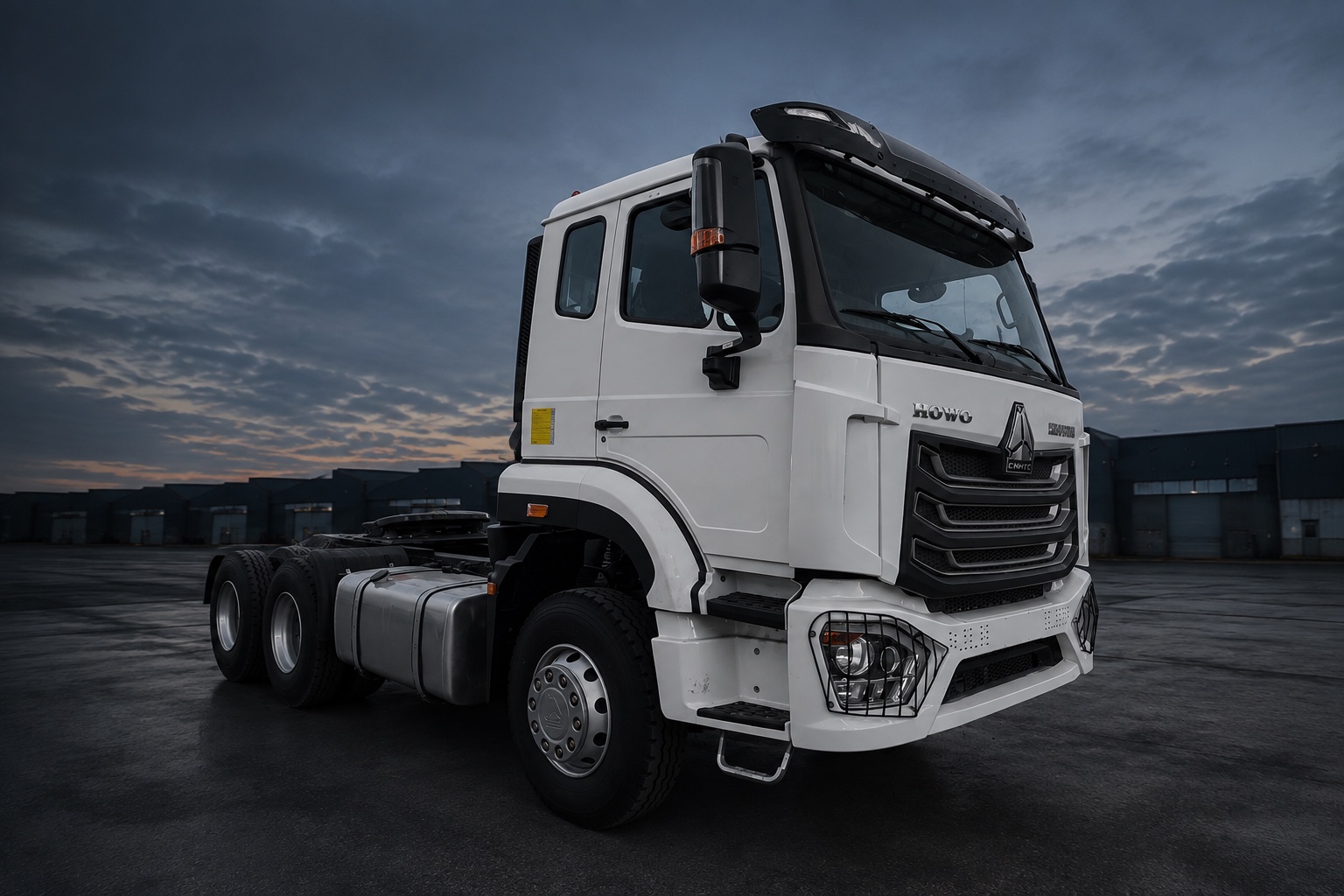
Ruidite supplies and exports new, remanufactured, and refurbished HOWO and SHACMAN trucks factory-direct. Contact Ruidite with your destination, intended work, preferred truck grade, and required records. Ask for the available vehicle-specific preparation documents with your quotation so your workshop can review the offered truck before you approve the order.
Related trucks


Ready to import with confidence?
Tell us what you need. We'll respond within one business day with specifications, FOB Qingdao pricing, and document support for your market.
Request a Quote