How to Import a HOWO or SHACMAN Truck to Kenya: RHD, PVoC, and NTSA Registration
Buying a HOWO or SHACMAN truck for Kenya means getting the RHD configuration, KEBS conformity certificate, and NTSA registration right from the start. Here is what actually matters before you place the order.
Why Kenya is a strong market for HOWO and SHACMAN trucks
Kenya's construction, mining, and logistics sectors run on Chinese heavy trucks, and HOWO and SHACMAN are two of the most recognized names on Kenyan roads. Buyers here generally choose between three options: a new unit, a remanufactured unit, or a refurbished one. Each is a legitimate choice, and each clears customs on a slightly different path. Whichever you pick, the truck has to clear a few Kenya-specific steps before it can legally carry cargo.
Right-hand drive is not optional
Kenya drives on the left side of the road, so every truck needs a right-hand drive (RHD) cab. Chinese factories build both configurations, but the domestic Chinese market runs left-hand drive (LHD), so RHD units are typically built or converted to order for export markets like Kenya.
Confirm RHD in writing on your proforma invoice and order confirmation, not only in an email exchange. Mixing this up is one of the most common and costly mistakes in a first order, since a LHD truck cannot practically be converted after it lands.
KEBS conformity assessment (PVoC)
Kenya requires imported vehicles to carry a Certificate of Conformity (CoC) issued under the Pre-Export Verification of Conformity (PVoC) programme run by the Kenya Bureau of Standards (KEBS). This is arranged before the shipment leaves China, through a KEBS-appointed inspection agent.
The process generally follows this pattern:
- Register with a KEBS-appointed PVoC agent and submit the required product and shipment information.
- Have the agent review documentation and, where required, inspect the truck before loading.
- Receive the Certificate of Conformity, which travels with the rest of the shipping documents.
Do not leave this step until the truck is already at sea. A shipment that arrives at Mombasa without a valid CoC can face delays, added inspection costs, or in some cases be held until the certificate is produced.
The age limit rule, and how it affects your choice
This is the rule that catches the most first-time buyers, so it is worth understanding before you choose between new, remanufactured, and refurbished.
Kenya restricts used vehicle imports by age, measured from the year of manufacture rather than from the date of sale or the date of any rebuild. That distinction matters:
- A new truck is not affected by the age limit at all.
- A remanufactured or refurbished truck is still a used vehicle in the eyes of Kenyan customs. The rebuild does not reset the clock. What counts is the original year of manufacture on the chassis.
So a thoroughly rebuilt truck can look and drive like a much newer unit and still fall outside the limit on paper. Before you pay a deposit on any reman or refurb unit bound for Kenya, ask the supplier for the year of manufacture and the chassis number, and have your clearing agent confirm that specific unit is admissible under the current rule. Rates and thresholds change periodically, so verify against the rule in force on the day you order rather than against what applied last year.
This is not a reason to avoid remanufactured or refurbished trucks. They remain good value on many routes. It is a reason to check the manufacture year first, because a unit that fails the age test is a problem that no amount of paperwork fixes after it has shipped.
Duties, taxes, and clearing costs
Kenya applies import duty, VAT, and several smaller levies to imported trucks under the East African Community's Common External Tariff framework. Rates and thresholds change periodically, and the exact figure depends on the truck's classification and value for duty, so treat any number you hear informally as a rough estimate, not a quote.
Before committing to an order, ask a licensed customs clearing agent in Kenya, not just the exporter, to estimate your total landed cost, including:
- Import duty and VAT
- Import Declaration Fee (IDF)
- Railway Development Levy
- Port handling and clearing agent fees
Budgeting from the exporter's FOB or CFR price alone is one of the most common ways first-time importers underestimate their real cost.
NTSA registration
Once your truck clears customs, it still needs registration with the National Transportation and Safety Authority (NTSA) before it can operate on public roads. This involves a physical inspection and verification of the chassis and engine numbers against your import paperwork, followed by issuance of a number plate and logbook.
Keep your commercial invoice, packing list, bill of lading, Certificate of Origin, and PVoC certificate together and easy to produce. A mismatched chassis number between any two of these documents is a common cause of delay at this stage.
A realistic order timeline
For a first order into Kenya, build in time for PVoC arrangement alongside production, ocean transit to Mombasa, and inland clearing. Rushing the RHD confirmation, the age check, the PVoC certificate, or the customs paperwork tends to cost more time in the end than it saves at the start.
We supply new, remanufactured and refurbished HOWO and SHACMAN trucks factory-direct from China. Tell us your model and destination port for a quote within 24 hours.
Related trucks
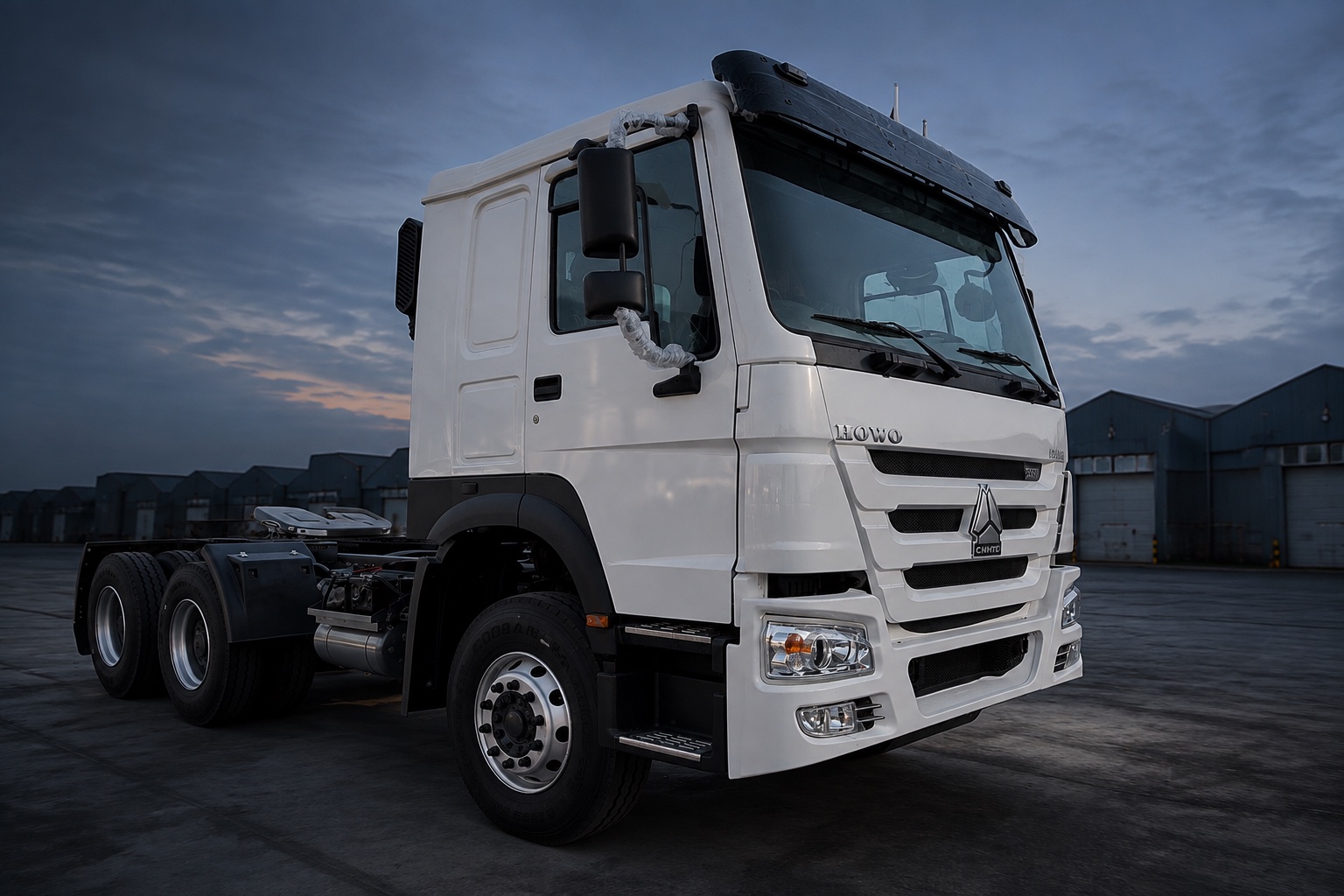
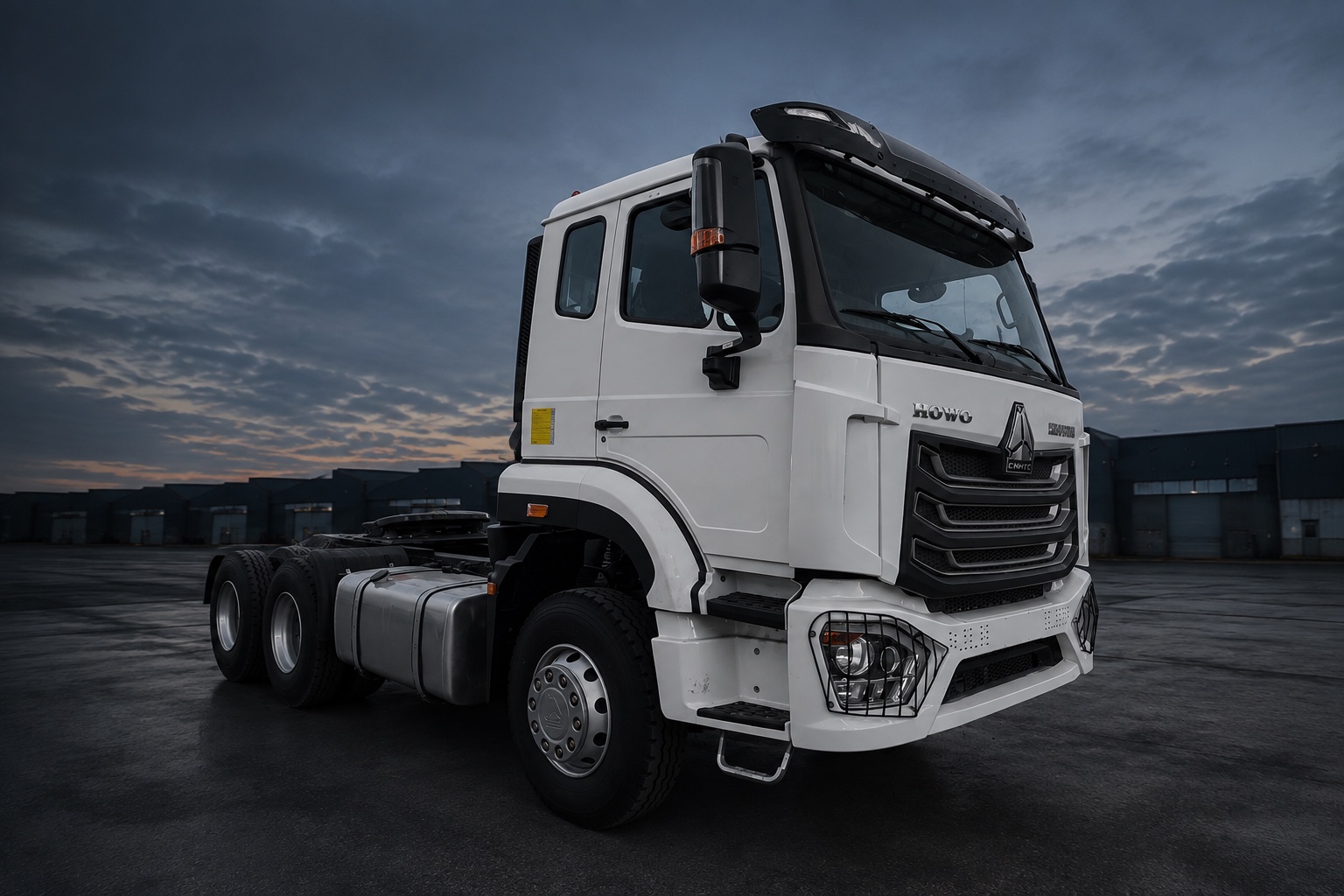
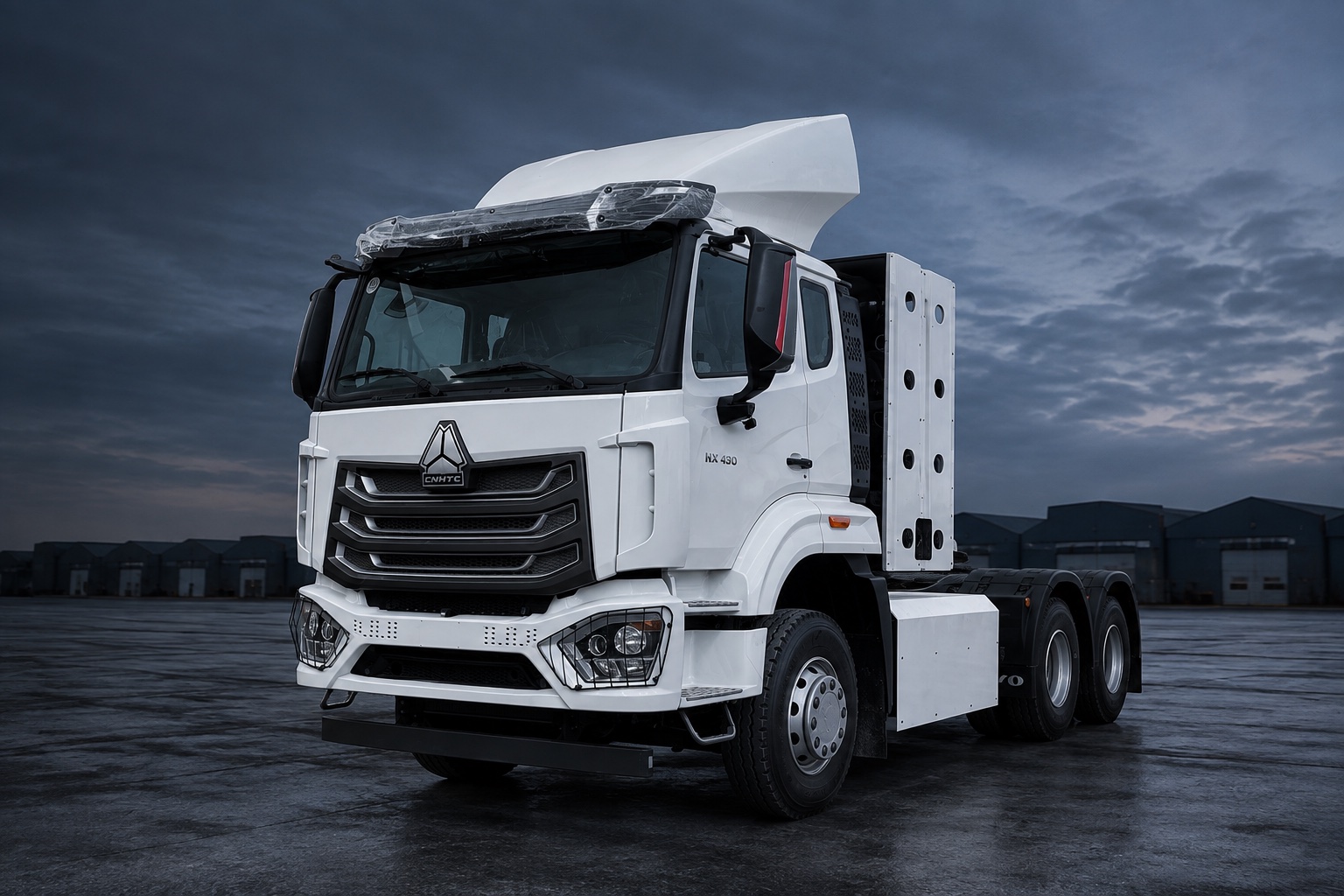
Ready to import with confidence?
Tell us what you need. We'll respond within one business day with specifications, FOB Qingdao pricing, and document support for your market.
Request a Quote