How to Plan a HOWO or SHACMAN Truck Driver Handover
Agree the operating documents, demonstrations, and local responsibilities before your truck enters fleet service.
A HOWO or SHACMAN truck can arrive with the agreed specification and still be difficult to put into service if the operator has no usable handover information. Drivers need to understand the controls fitted to that vehicle. Workshop staff need the correct maintenance references. The fleet manager needs to know which questions remain open before assigning the first job.
Plan the operating handover while the order is being prepared. This guide covers the information to request, the demonstrations to record, and the responsibilities to assign for new, remanufactured, and refurbished trucks. It focuses on preparing the people who will use the truck after the separate receiving inspection is complete.
Identify the actual vehicle and its controls
Build the handover pack around the allocated chassis number and approved configuration. A generic brochure may describe controls that are absent from the purchased truck. Even trucks with the same cab appearance can have different transmissions, braking aids, dashboard switches, and body equipment.
Ask the supplier to identify the engine, gearbox, axle configuration, and fitted body equipment in the handover record. Match photographs of the dashboard and control labels to the actual unit. If a switch has an unclear function, resolve it before dispatch rather than leaving the driver to experiment on the road.
For a refurbished truck, request clear identification of any changed components that affect operation. A replaced gearbox or modified body control can make an older manual incomplete. Keep the original reference where available and add the confirmed information for the fitted equipment without presenting a generic manual as an exact match.
Request usable operating references
Ask which operating and maintenance documents are available for the chassis and any separate equipment. Confirm their language, format, and applicability before treating them as included. An engine handbook does not replace instructions for a tipping body, mixer, or trailer coupling.
Send sample pages to the receiving workshop so staff can check readability. Scanned pages must show the text and diagrams clearly. Where instructions require translation, have someone familiar with commercial vehicle terminology review the important procedures. A poorly translated warning can leave the operator uncertain about the action required.
Keep a controlled digital copy and arrange access for drivers and technicians. Record the document version or equipment identity beside each file. For replacement components, use the matching reference and the process described in our spare part number guide to avoid selecting parts from a similar-looking truck.
Agree the demonstrations before shipment
Request a demonstration list tailored to the order. It may include dashboard indications, normal starting and shutdown, gearbox controls, parking brake operation, cab access, and fitted auxiliary equipment. Ask for short videos that show the relevant control and its effect on the allocated truck.
A recording should identify the unit and explain what the operator is seeing. A close-up of a switch without context has limited value. If the supplier cannot demonstrate a requested function, record the missing item and agree how it will be explained or checked locally.
Treat videos as supporting information. They do not establish mechanical condition, authorize a driver to operate unfamiliar equipment, or replace the manufacturer's instructions. The receiving fleet should arrange practical instruction from a competent person before the truck enters normal service. Demonstrations involving moving vehicles or raised bodies require a suitable controlled area and appropriate safety arrangements.
Prepare drivers for the fitted transmission
Tell the supplier which transmission questions the drivers need answered. These can include the shift pattern, range or splitter controls, reverse selection, dashboard indications, and any operating restrictions stated in the matching manual. Keep the answers specific to the installed gearbox.
Do not issue one set of instructions to the whole fleet simply because every truck is branded HOWO or SHACMAN. Allocate drivers to units and record which configuration each person has been briefed on. If the fleet contains different gearboxes, make that difference visible in the handover plan.
The same approach applies to fitted engine brakes, exhaust brakes, or retarders. Confirm what equipment is present and obtain the correct operating reference. Avoid inventing universal speed, gear, or switch rules. Drivers should follow the instructions for the actual vehicle and the fleet's supervised training process.
Include body equipment and accessories
A truck chassis and its mounted equipment may need separate handover steps. For a dump truck, identify the tipping controls, interlocks, and applicable body instructions. For a mixer or tanker, request the equipment references and clarify which party supports the fitted system.
List loose accessories separately from installed equipment. Keys, tools, spare filters, and documents need an identified storage location and a named recipient. If accessories are packed away for shipment, tell the receiving team where to find them and how to reconcile them with the agreed list.
Record any attachment or trailer interface questions that remain unresolved. Compatibility should be confirmed from the actual equipment specification. A driver's familiarity with another truck is useful experience, but it does not prove that the coupling, connections, or controls on this unit are identical.
Assign the workshop's first responsibilities
Ask the receiving workshop to review the handover pack before the truck arrives. The workshop should identify missing references, confirm who will carry out initial checks, and plan the maintenance record for each unit. Applicable service requirements must come from the matching equipment instructions and confirmed vehicle condition.
Keep operating readiness separate from the arrival condition report. Our truck arrival inspection guide covers receiving checks. The handover record should say when those checks were completed and whether any outstanding defect prevents release to the driver.
Confirm the contact route for technical questions and the evidence needed for a support request. Keep the chassis number, equipment identity, photographs, and description of the symptom together. Refer to the agreed warranty terms when deciding responsibility; do not assume that a handover video creates extra warranty coverage.
Use a signed handover checklist
Before releasing the truck for work, reconcile the following items:
- The allocated chassis and fitted equipment match the handover pack.
- Drivers have access to applicable operating instructions in a usable language.
- The required demonstrations and local practical instruction are recorded.
- Keys, loose accessories, tools, and documents have named recipients.
- The workshop has reviewed maintenance references and outstanding defects.
- A responsible fleet employee has approved the release or listed the remaining actions.
A signature should confirm the specific items checked. Avoid a blanket statement that all training or maintenance requirements are complete when some evidence is still missing. Keep unresolved questions visible, with an owner and a planned response.
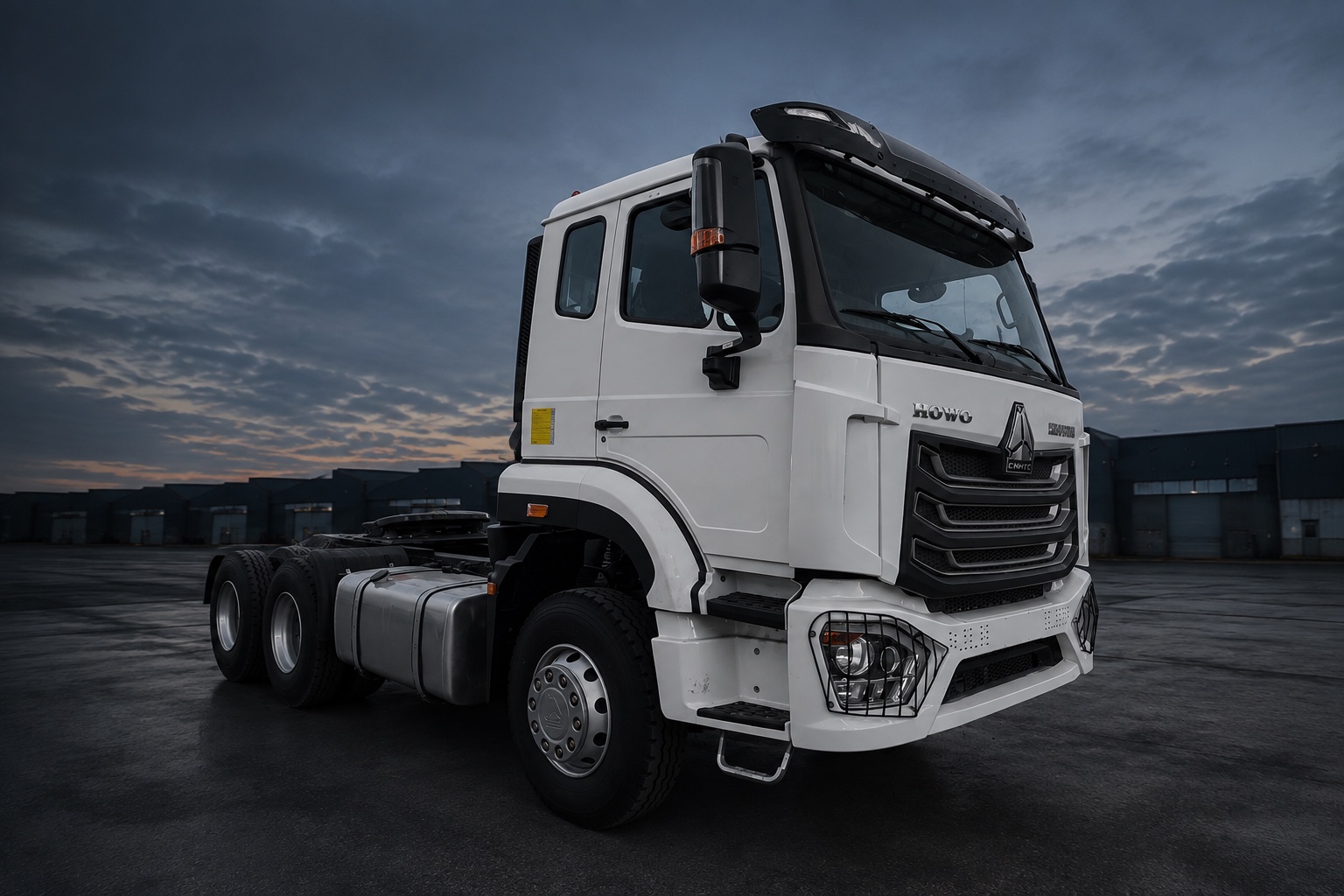
Ruidite supplies and exports new, remanufactured, and refurbished HOWO and SHACMAN trucks through a factory-direct supply approach. When discussing an order, specify the handover documents and demonstrations you need alongside the truck configuration. Contact Ruidite with your intended application, destination, and driver support requirements so the available handover scope can be confirmed before payment.
Related trucks


Ready to import with confidence?
Tell us what you need. We'll respond within one business day with specifications, FOB Qingdao pricing, and document support for your market.
Request a Quote