How to Store a HOWO or SHACMAN Truck Before First Use
Assign storage responsibilities and agree preservation procedures when registration or site work delays your truck entering service.
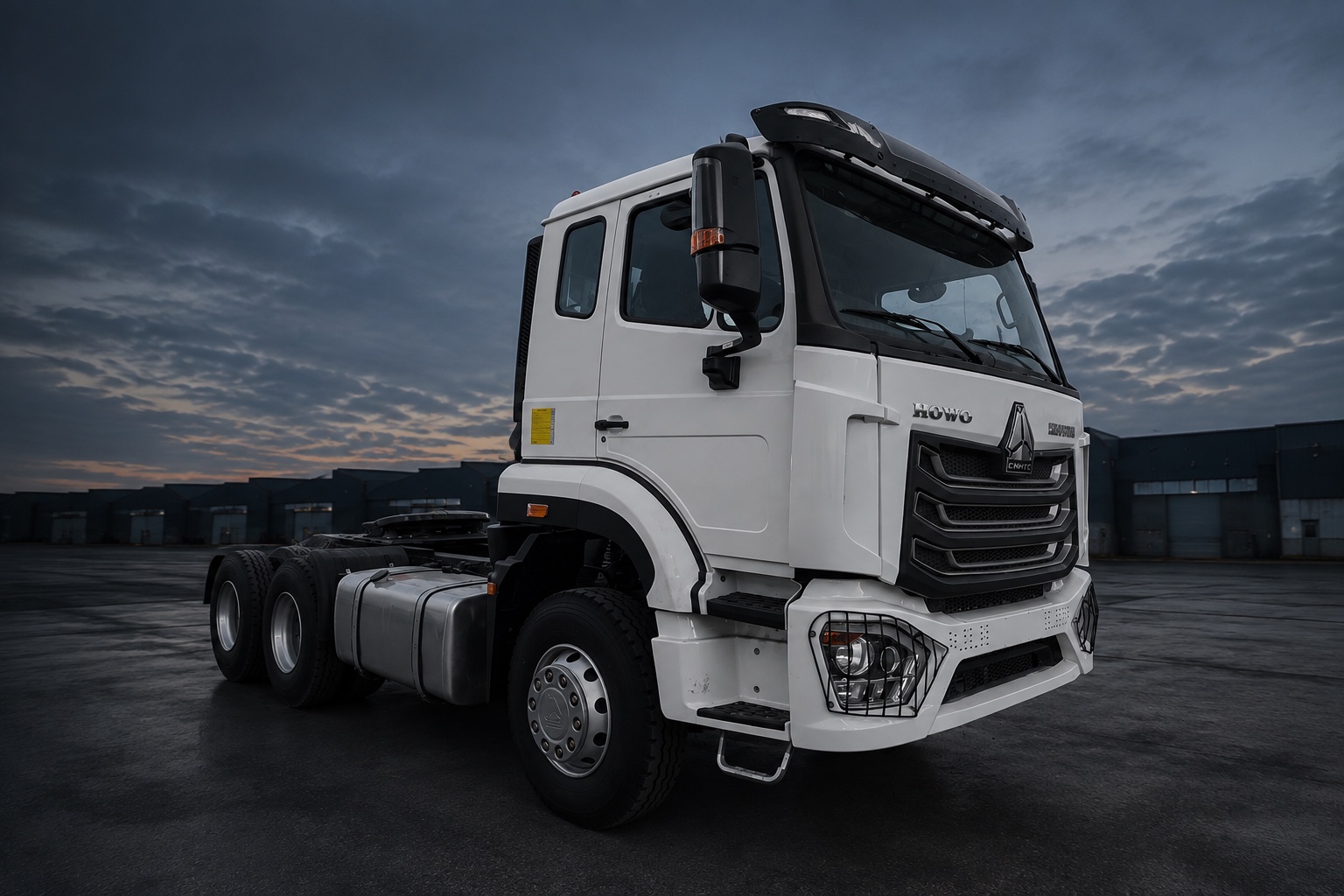
A HOWO or SHACMAN truck can arrive before its first job is ready. Registration may take longer than expected, a construction site may be delayed, or the fleet may still be recruiting drivers. Leaving the truck in a yard without a storage plan creates another cost: preparing it for work after weeks or months of inactivity.
Before ordering, tell your supplier when you expect the truck to enter service. Ask for preservation and restart instructions that match the actual engine, battery system, tyres, and body equipment. A general checklist helps you assign responsibilities, but the vehicle and component manuals must determine the technical procedures.
Decide who is responsible during storage
Storage starts when someone accepts custody of the truck. That person may be a port agent, a transport contractor, your workshop, or the operator of a rented yard. Write down where custody changes and who checks the vehicle afterward. A shipping document alone does not establish a maintenance plan.
Give one named person responsibility for the keys, inspection log, and workshop contact. Record the chassis number, arrival date, odometer reading, fuel level, and existing defects. Keep the receiving photographs with the file. If damage appears later, these records help distinguish an arrival issue from something that happened in the yard.
Our truck arrival inspection guide covers the receiving check. The storage plan should begin after that check and continue until the truck is released for work.
Choose a yard that can support a heavy truck
Inspect the parking location before the transporter arrives. Look for firm ground, drainage, access for workshop equipment, and enough room to move the truck safely. A cheap plot that floods or becomes soft during rain can turn a simple restart into a recovery operation.
Consider security as well as weather. Control access to batteries, fuel tanks, spare wheels, tools, and loose accessories. Keep an inventory of anything removed for secure storage. Make sure covers and temporary protection do not trap moisture or obstruct necessary ventilation.
Ask the yard operator whether the truck will need to move for other vehicles. Unplanned shunting can leave you with missing keys, undocumented mileage, or a vehicle parked somewhere unsuitable. Agree who may move it and how each movement is recorded.
Get a written battery and electrical plan
Do not assume turning the ignition off removes every electrical load. Trackers, alarms, and other equipment may remain active. Ask a qualified technician to identify the fitted batteries, charging requirements, isolation procedure, and any systems affected by disconnection.
The plan should name the approved charger, inspection method, and schedule for the actual installation. Avoid selecting a charger simply because its connector fits. Battery chemistry, system voltage, and the arrangement of the batteries matter. Have damaged, leaking, or swollen batteries assessed before charging.
Keep the batteries and their connections accessible for authorized inspection. Record checks and charging work rather than relying on a promise that someone will occasionally start the engine. A truck that starts today can still have an electrical problem that needs attention before service.
Protect tyres and manage the parked load
Record tyre condition and cold pressures when the truck enters storage. Have a tyre professional specify the pressure checks and any load-relief arrangements appropriate to the vehicle. Do not invent a universal storage pressure for every HOWO or SHACMAN configuration.
Michelin's commercial tyre maintenance and storage guide distinguishes storage arrangements for vehicles remaining on the ground, suspended vehicles, and spare tyres. Use the guidance applicable to the fitted tyres together with the truck manufacturer's instructions.
Keep tyres away from fuel spills and other harmful contamination. Check for pressure loss, cuts, weathering, and objects trapped between dual tyres. If the proposed storage procedure requires lifting the truck, let trained personnel plan the work with correctly rated equipment and supports. Never treat a jack alone as a safe long-term support.
Agree fluid, engine, and body preservation
Ask the supplier or workshop for the engine manufacturer's instructions covering the expected storage period and local conditions. Confirm which fluids require inspection, whether any preservation treatment is necessary, and what must be removed or restored before restarting. Keep product names and work records in the vehicle file.
Avoid adding fuel treatments or changing lubricants without checking compatibility. A procedure suitable for one engine or fuel system may not be suitable for another. Similarly, occasional short idling should not be treated as a substitute for an approved preservation routine.
Body equipment needs its own instructions. A tipper, mixer, tanker, or tractor coupling can have different cleaning, lubrication, and parking requirements. Have the responsible workshop confirm the safe stored position and any mechanical supports needed before work around raised equipment. Do not leave a body raised merely to make rainwater drain away.
Keep inspections simple enough to complete
Make the storage log short, with a date, the inspector's name, findings, and action taken. Set the inspection frequency using the manuals, storage duration, and exposure at the yard. Review the plan if the expected start date moves further away.
Use a checklist that includes:
- Vehicle identity, location, key custody, and any movement since the last check.
- Signs of water entry, contamination, damage, or unauthorized access.
- Battery checks and charging work required by the approved electrical plan.
- Tyre condition and pressure checks specified for the fitted configuration.
- Fluid leaks and preservation work required by the engine and body instructions.
- Open defects, the person responsible, and the date for workshop follow-up.
Photograph changes that need attention. A brief record with a clear action is more useful than a long form completed from memory after the truck leaves storage.
Budget for release from storage
Include yard fees, planned inspections, approved charging equipment, preservation work, and a workshop release check in your purchase budget. Ask who pays if registration or site access is delayed. Confirm whether the warranty agreement places conditions on storage and maintenance records before payment.
Before the first job, have the workshop follow the restart procedure and inspect safety systems, tyres, leaks, and body equipment. Restore any isolated systems and remove temporary protection as instructed. Arrange a controlled functional check before loaded operation. Missing registration or insurance must also be resolved before public-road use.
Ruidite is a factory-direct supplier and exporter of new, remanufactured, and refurbished HOWO and SHACMAN trucks. Storage requirements depend on the supplied configuration and its condition. Share your destination, intended parking environment, and expected time before first use when requesting a truck quotation.
Contact Ruidite with your truck type, quantity, destination port, and expected service date. Ask for the available operating documents and agree who will prepare the truck for storage and release before you place the order.
Related trucks


Ready to import with confidence?
Tell us what you need. We'll respond within one business day with specifications, FOB Qingdao pricing, and document support for your market.
Request a Quote