Can one HOWO dump truck be profitable? Calculate your cost per paid trip
One HOWO dump truck can support a profitable hauling operation if enough paid work remains after fuel, wages, maintenance, fixed costs, and downtime. Calculate the contribution from each paid trip and the number of trips needed to cover monthly costs before choosing a truck. A low purchase price cannot compensate for work that pays less than it costs to complete.
Quick answer: One HOWO dump truck can support a profitable hauling operation if enough paid work remains after fuel, wages, maintenance, fixed costs, and downtime. Calculate the contribution from each paid trip and the number of trips needed to cover monthly costs before choosing a truck. A low purchase price cannot compensate for work that pays less than it costs to complete.
A first-time owner often asks how much a dump truck earns in a day. A more useful question is how much money remains after completing the work and paying the bills. The answer depends on the route, customer, payment terms, and condition of the truck.
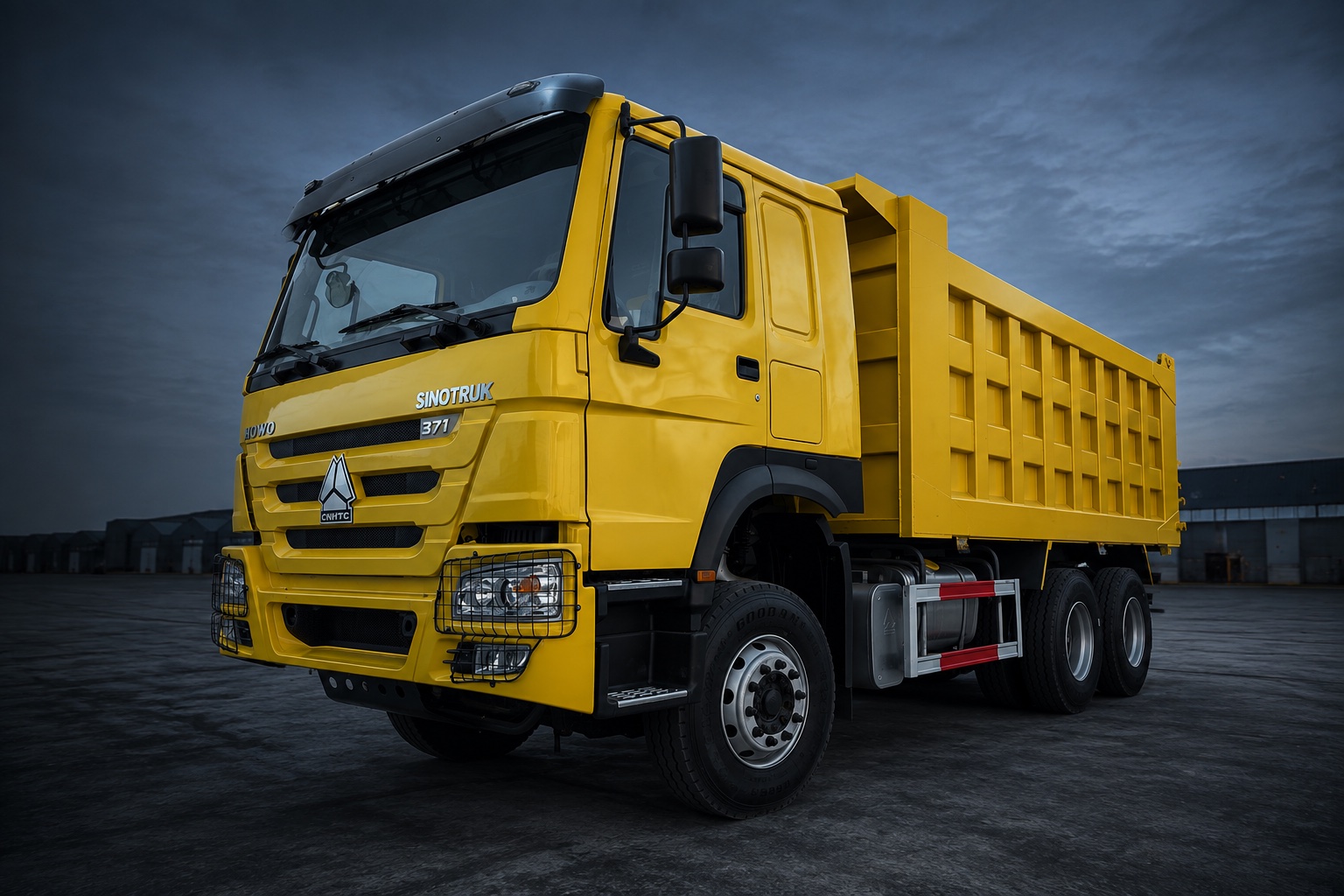
If you are comparing a HOWO 371 6x4 dump truck with other options, start with the hauling job. The truck specification and purchase budget should follow that job.
Confirm there is paid work for one truck
Speak to the contractors, quarry operators, material suppliers, or dispatchers who might actually hire you. Ask whether they work with single-truck operators, what documents they require, and how they allocate jobs. Trucks passing your gate do not prove there is work available for another owner.
Find out how the customer pays. A rate per trip, tonne, day, or hour produces a different calculation. Establish whether waiting time, empty return travel, loading delays, and cancelled work are paid. Put those details into the estimate rather than assuming every hour at the site earns money.
Use a realistic working calendar. Rain, site closures, maintenance, and lack of orders can reduce billable work. Ask a potential customer about their quieter periods as well as their busiest week. A month with unusually strong demand is a weak basis for a purchase decision.
Separate the truck purchase from operating costs
Prepare a delivered-and-ready budget for buying the truck. Depending on your quotation and destination, this may include the vehicle, origin handling, freight, insurance, import charges, local clearance, registration, and initial preparation. Ask the supplier and your clearing agent which costs belong in each quotation so you do not omit or count them twice.
Then prepare a separate monthly operating estimate. This includes costs that continue when the truck is parked, such as insurance or yard rent, and costs that rise with work, such as fuel and tyre consumption. Maintenance may contain both planned time-based work and costs related to use.
Keep your own pay in the calculation. An owner driving without taking a wage can mistake unpaid labour for business profit. Also decide whether you are measuring accounting profit or cash available to pay bills. Loan principal, interest, depreciation, and major repairs need consistent treatment, with help from your local accountant where needed.
Calculate contribution per paid trip
For a simple trip-based estimate, subtract variable cost per trip from revenue per trip. The remainder contributes towards fixed costs and, after those are covered, profit. The U.S. Small Business Administration's break-even guidance uses the same general relationship: fixed costs divided by selling price minus variable cost gives break-even units.
Here is an illustrative planning example. These figures are invented to explain the calculation; they are not Ruidite quotations or local hauling rates.
- Revenue per paid trip: USD 120.
- Variable cost per trip: USD 75.
- Contribution per paid trip: USD 45.
- Monthly fixed costs: USD 1,800.
- Trips needed to cover those fixed costs: 40.
Forty paid trips would generate USD 4,800 in revenue and incur USD 3,000 in variable costs. The USD 1,800 remainder covers the assumed fixed costs. It leaves no operating profit within this simplified model. Any omitted cost makes the result too optimistic.
Do not treat contribution as take-home pay. For example, if the USD 75 estimate excludes a driver wage that is paid per trip, add that wage before calculating contribution.
Test fewer trips and higher costs
Using the same assumptions, 30 paid trips produce USD 1,350 in contribution. That falls USD 450 short of the fixed costs. At 50 paid trips, contribution reaches USD 2,250, leaving USD 450 after fixed costs within the example.
Now increase variable cost to USD 85 while keeping revenue at USD 120. Contribution falls to USD 35, and you need 52 whole paid trips to cover USD 1,800. A small change in the amount left from each load can materially change the workload required.
Run your own estimate with fewer billable days, a longer empty return trip, and a repair interruption. Use local fuel quotes and a workshop's estimates rather than copying another operator's numbers. This shows whether the purchase still works when the month is less favourable than expected.
Check when the customer actually pays
A profitable job can still create a cash shortage if payment arrives after your fuel and wage bills. Map the first weeks of operation by payment date. Include the time needed for signed delivery tickets, invoice approval, and settlement.
Ask how disputed loads and cancelled jobs are handled. Keep records that link each completed trip to the agreed rate and customer acceptance. Your cash plan should show how you will cover operating bills while waiting for payment, without assuming every invoice clears immediately.
A Reddit discussion about one-truck profitability illustrates why a universal earnings figure is unhelpful: contributors describe very different outcomes. Those accounts identify questions to investigate; their income figures are not a forecast for your market.
Choose the specification after checking the route
Ask what material you will carry, what legal load applies, and whether the site can accommodate the completed truck. Body volume does not establish legal payload. More capacity on a specification sheet also does not guarantee more paid trips if the loading point or route is the bottleneck.
Use the dump body selection guide to discuss material and body requirements. Compare the exact proposed configuration, preparation scope, and supporting inspection evidence. Keep a repair allowance based on the truck's assessed condition rather than assuming refurbishment removes every operating risk.
Ruidite supplies and exports new, remanufactured, and refurbished HOWO and SHACMAN trucks. Send Ruidite your material, route, quantity, and destination port to discuss a suitable configuration and quotation. Use that quotation in your own cost model before committing to the purchase.
Related trucks
Ready to import with confidence?
Tell us what you need. We'll respond within one business day with specifications, EXW or CIF pricing, and document support for your market.
Request a Quote