How much power does a HOWO or SHACMAN dump truck need for steep roads?
Horsepower alone cannot establish hill performance. Compare gross weight, climbing speed, the complete driveline and cooling before ordering a HOWO or SHACMAN.
Quick answer: A horsepower badge alone cannot tell you whether a HOWO or SHACMAN dump truck will suit a steep route. Compare the loaded vehicle weight, required climbing speed, engine output curve, gearing, traction, and cooling provision as one specification. Ask the supplier to assess the exact route and truck combination before choosing a higher power rating. More engine power does not increase the legal payload or establish safe downhill performance.
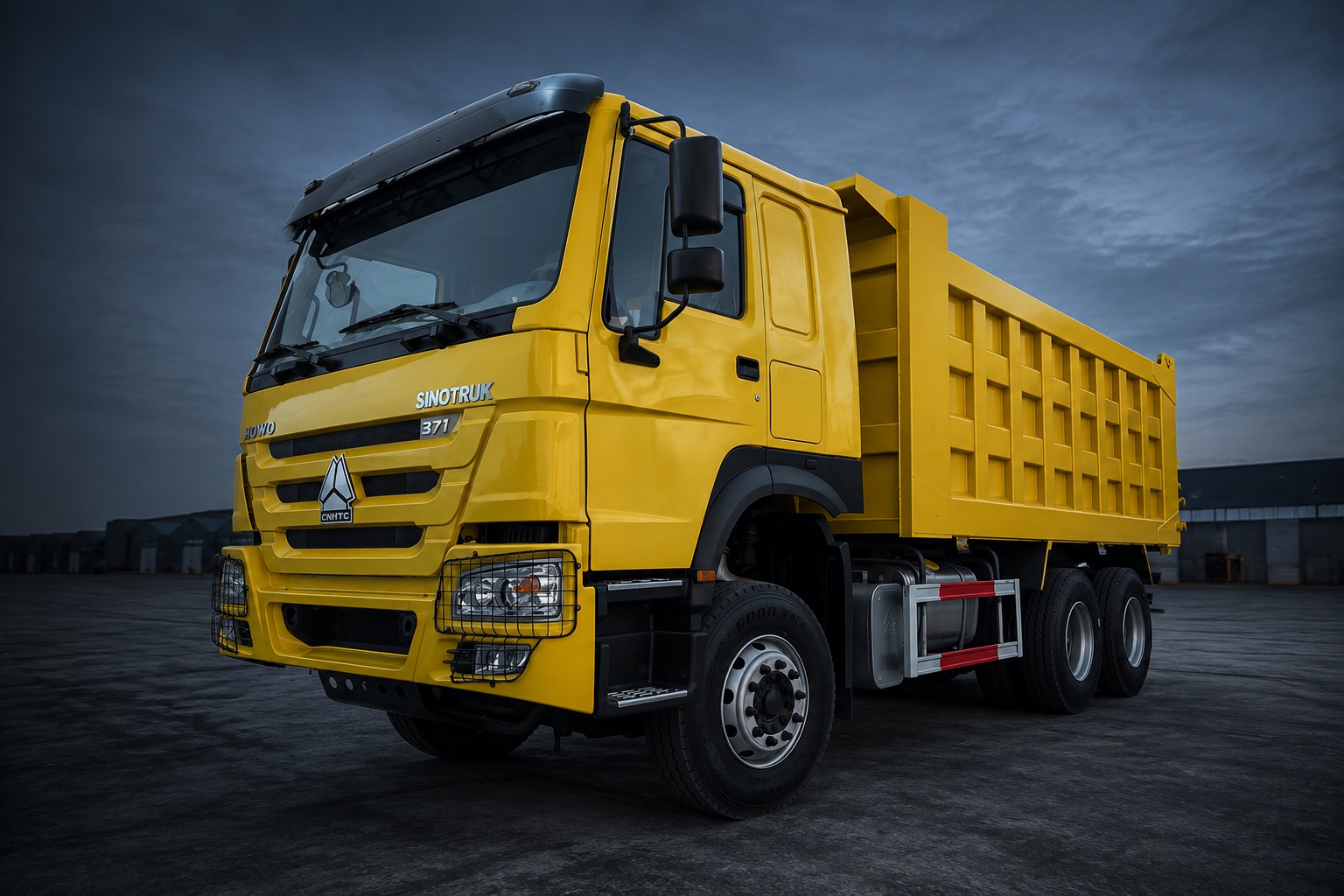
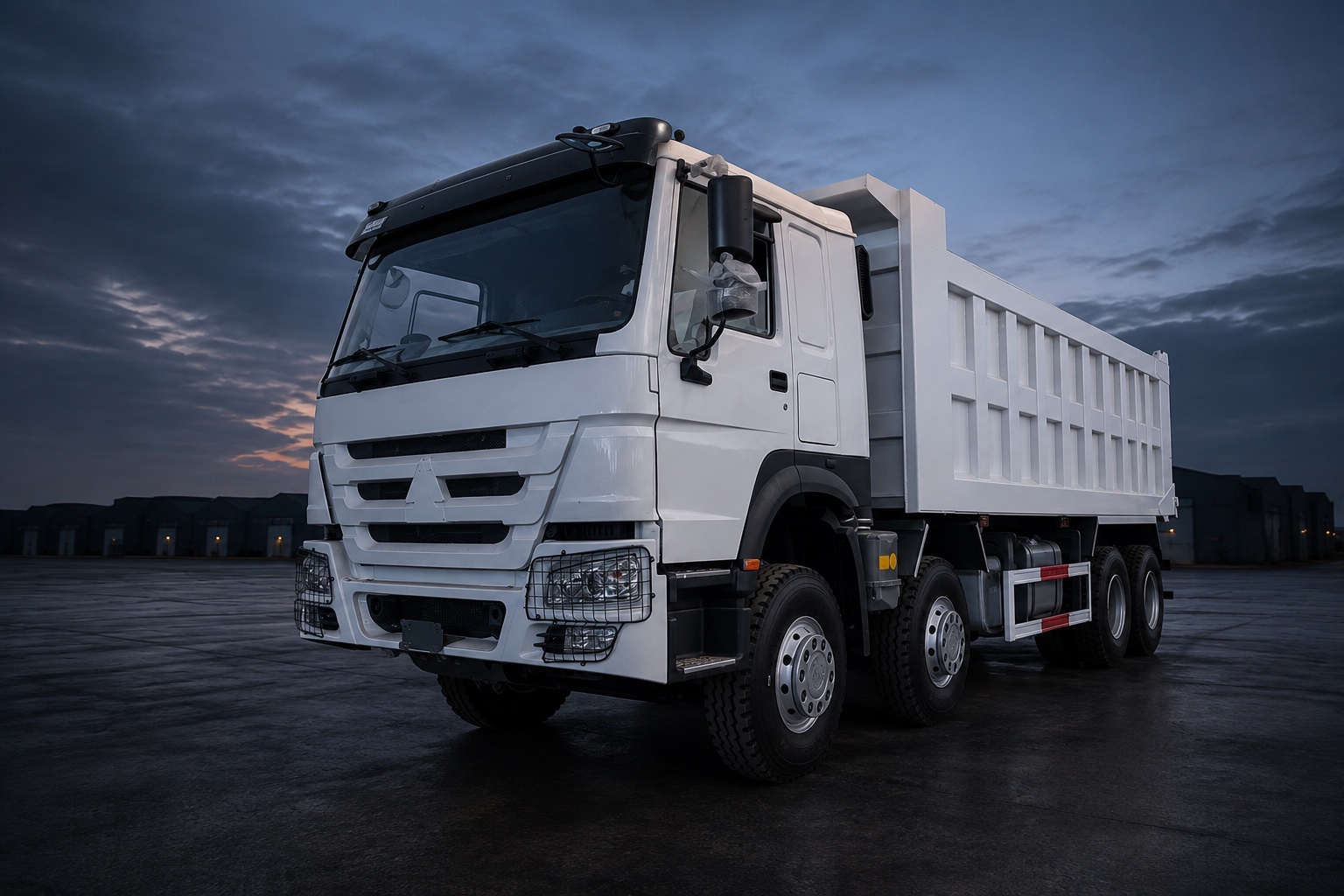
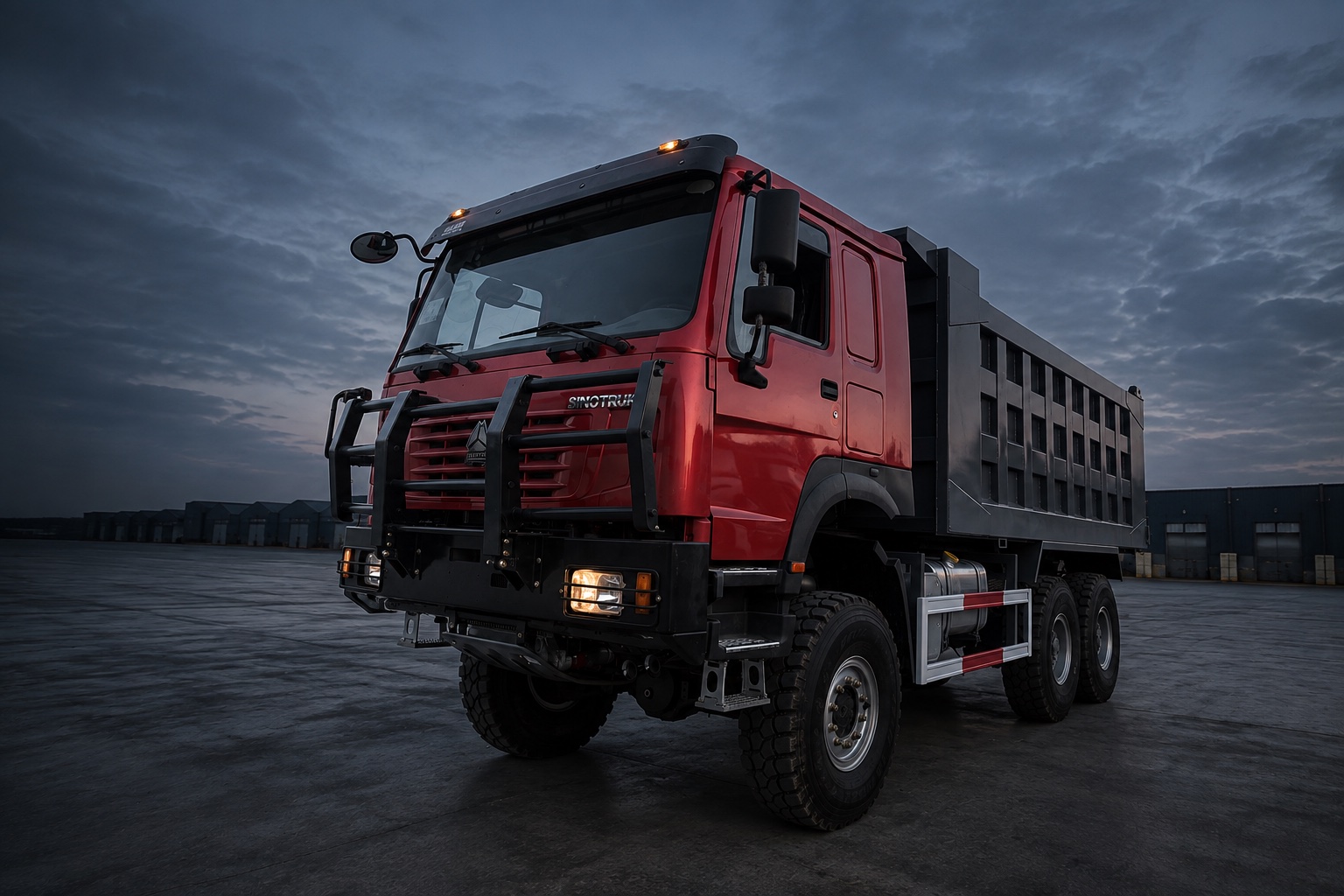
Start with the HOWO 6x4 dump truck or SHACMAN F3000 dump truck, then send the route details with your enquiry. The useful buying question is how the quoted truck will perform in your work, rather than which badge has the larger number.
A prospective buyer on Heavy Equipment Forums asked what truck specification would suit steep, winding access to a remote property. Another buyer discussion raised power needs on high-elevation grades. Both concern North American trucks and local circumstances. They identify a purchase concern worth answering, without establishing a recommended HOWO engine or a universal minimum horsepower.
Describe the climb before comparing engines
Write down the steepest loaded section, its length, the road surface, and whether the truck must stop and restart there. Include elevation and the expected temperature range. A short ramp and a long mountain climb can place different demands on the same vehicle.
Record loaded gross vehicle weight, including the truck, body, fuel, equipment, and material. Keep payload separate from gross weight. Use the destination's legal weight and axle limits, together with the manufacturer's ratings, rather than a seller's advertised carrying claim. A larger body does not authorize a heavier load.
Choose a realistic target climbing speed for the route. This is an input for the supplier's assessment, not permission to travel at that speed. Surface condition, visibility, bends, traffic, and site procedures may require slower operation. If you cannot establish the gradient or weight reliably, resolve those gaps before accepting a performance promise.
Understand what the engine rating tells you
Obtain the full engine model, rated power in kW, rated speed, torque curve, and emissions specification. Confirm whether an offer's hp figure means mechanical horsepower or metric horsepower, often shown as PS. Comparing the manufacturer's kW figures avoids a unit mismatch.
SHACMAN's official F3000 page lists a range of engine choices across the series. That range does not confirm availability or suitability for an individual export truck. Request the actual order specification and engine identification, especially when comparing new, remanufactured, and refurbished offers.
Peak power and peak torque also occur at specified engine speeds. Two engines with similar headline ratings can have different output curves. Ask which operating range the proposed gearing will use on your climb. A brochure figure cannot show the condition of an individual used engine or prove its present output.
Use a simple calculation to challenge vague promises
The following is a hypothetical physics example, not a HOWO or SHACMAN performance forecast. Assume a loaded gross weight of 30,000 kg, a steady 6% climb, and a target road speed of 20 km/h. These are illustrative inputs, not a payload recommendation or a statement of legal capacity.
For a preliminary grade-only estimate, power in kW is approximately mass in kg multiplied by 9.81, multiplied by gradient as a decimal, multiplied by speed in metres per second, divided by 1,000. At this modest gradient the approximation is sufficient to illustrate the relationship.
- Convert 20 km/h to about 5.56 metres per second.
- Grade-only power is approximately 30,000 x 9.81 x 0.06 x 5.56 / 1,000.
- The result is about 98 kW at the wheels to overcome gravity alone.
- At 30 km/h, with the other assumptions unchanged, the grade-only requirement rises to about 147 kW.
These figures exclude rolling resistance, air resistance, drivetrain losses, accessory loads, and acceleration. They cannot be compared directly with a peak engine rating to declare the truck suitable. Their value is showing why the required speed matters. Have the supplier provide a complete assessment using the actual configuration and operating conditions.
Check the complete driveline and cooling package
Cummins' PowerSpec user manual evaluates gradeability using the engine, transmission, axle, and tyre combination. The method reinforces the need to assess those components together; its example values are not performance data for a Ruidite truck.
Ask for the lowest gear ratio, rear axle ratio, tyre rolling information, and the supplier's loaded startability assessment. Starting on a slope and maintaining speed up it are separate requirements. The axle ratio guide can help frame the gearing enquiry. Confirm the exact linked specification against the quotation.
For long climbs, ask how ambient temperature and elevation affect the approved operating envelope. Request cooling-system details and any manufacturer derating conditions. Keep the answer specific to the engine and chassis. Do not assume a larger radiator or an advertised tropical package has a defined capacity without supporting documentation.
Compare the purchase on a written duty specification
Ask each supplier to answer the same brief so the comparison remains useful:
- State the actual engine model, kW rating, and supporting output curve.
- Identify the gearbox, axle ratios, tyre specification, and body.
- Confirm the gross weight used for every performance assessment.
- Address loaded starting and sustained climbing separately.
- Explain the temperature, elevation, and surface assumptions.
- Identify the braking equipment and remaining route limitations.
A higher power option may be worth considering when a verified assessment shows that the lower rating cannot meet the required duty. Ask what changes with the option: engine, gearbox capacity, cooling, service parts, and purchase price. Avoid assuming that a higher rating automatically lowers fuel cost or increases daily profit.
Downhill operation needs its own review. Establish the braking and auxiliary braking specification, driver training, and route procedures with competent local support. Engine driving power does not establish braking capability. Any demonstration should follow an agreed safe scope; a brief empty yard drive cannot prove loaded mountain performance.
Ruidite is a factory-direct supplier and exporter of new, remanufactured, and refurbished HOWO and SHACMAN trucks. Send your enquiry with the destination, quantity, legal gross weight, material, route gradient, climb length, and expected conditions. Request a written truck specification and a configuration-specific assessment before deciding how much engine power to order.
Related trucks
Ready to import with confidence?
Tell us what you need. We'll respond within one business day with specifications, EXW or CIF pricing, and document support for your market.
Request a Quote