How to Inspect a HOWO or SHACMAN Truck Cab Before Shipment
The cab is where a driver works every day. Use this pre-shipment inspection guide to confirm its condition, safety equipment, and agreed configuration before export.
A truck cab can look presentable in sales photographs while still having problems that affect driver safety, comfort, visibility, or daily operation. Water leaks, loose door latches, damaged seat belts, poor cab tilt movement, cracked mounting points, and incomplete controls are easier to resolve before shipment than after the truck has crossed a border.
For a new, remanufactured, or refurbished HOWO or SHACMAN truck, the cab inspection should confirm the exact cab ordered, identify visible repairs, and record whether essential controls and safety equipment work on the actual chassis. It is not a substitute for local roadworthiness approval. It gives the buyer clear evidence before the balance payment is released and the truck is loaded.
Start with the agreed cab specification
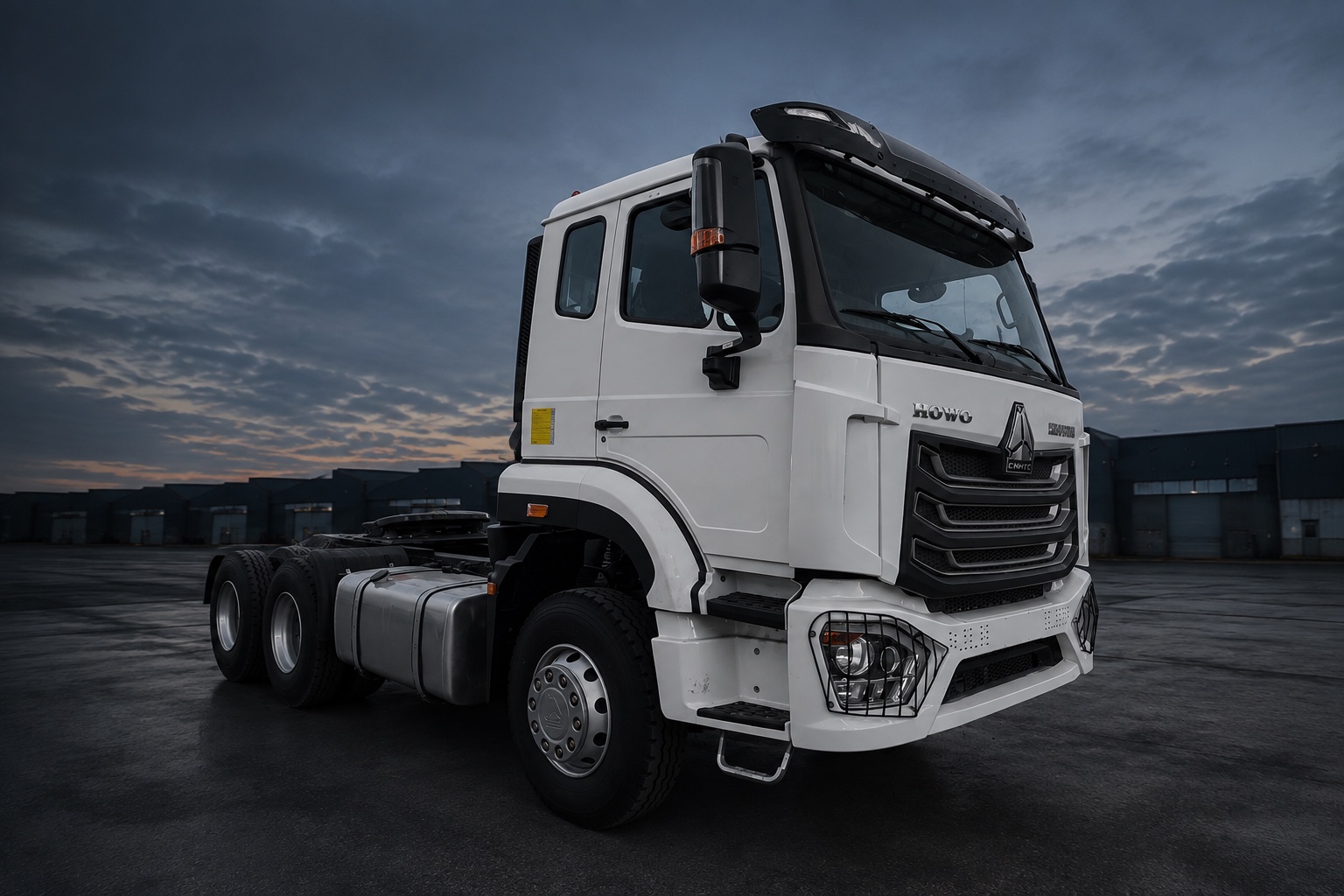
Inspect the truck that will ship, not a similar unit in the yard. Begin with the chassis number, cab model or series where available, drive side, roof height, sleeper arrangement, colour, and specified options. The purchase documents should state whether the truck is new, remanufactured, or refurbished and, for a rebuilt unit, which major cab parts were renewed, repaired, replaced, or retained.
Cab layouts vary by model family, wheelbase, engine packaging, climate equipment, and intended work. A day cab may suit local distribution, while a sleeper cab may be necessary for long routes or port delays. The day cab and sleeper cab guide helps buyers set this requirement before the order is confirmed. During inspection, photograph the actual cab from all sides and compare it with the signed specification.
Check the exterior panels and structural areas
Walk around the cab in good light. Look at the roof, windscreen frame, A pillars, doors, step boxes, bumper, grille, mudguards, mirror arms, and lower corners of the cab. Check for rippled panels, uneven paint, fresh seam sealer, corrosion, cracked paint around mountings, mismatched fasteners, or welding that may indicate accident or repair work. A repaired panel is not automatically unacceptable, but the supplier should disclose significant structural or corrosion repair before approval.
Pay close attention to the lower front and rear corners where road spray collects. Check the roof seams, roof hatch, antenna mounts, and windscreen seal for signs of water entry. Ask for interior photographs of the headliner, floor, and door trims after the exterior is checked. A dry cab interior supports the visible inspection, while staining, mildew, loose trim, or damp insulation needs an explanation.
For refurbished cabs, ask what preparation was completed. A statement such as refurbished cab is not enough. Request a written list of replaced panels, glass, seals, lights, steps, mirrors, seats, and interior parts when those details matter to the order.
Test doors, windows, locks, and seals
Open and close every door several times. Each door should latch securely, release from the inside and outside, and align with the body without striking a step or fender. Inspect hinges, check straps, latch bolts, handles, locks, and weather seals. A door that needs to be slammed may have an alignment, latch, or seal issue that should be adjusted before loading.
Operate electric or manual windows, quarter windows where fitted, roof hatches, and sun visors. Check that window glass is not cracked and that it moves without binding. Confirm that mirrors are complete, adjust correctly, and hold their position. Good mirrors are a practical safety item, especially when the truck will work in congested yards or carry a wide body.
Run the wipers and washers. The wiper sweep should clear the main viewing area without abnormal noise or loose arms, and the washer system should deliver fluid to the screen. Ask for a short video that shows the controls and the windscreen together.
Inspect the driver area and warning controls
Sit in the driver position and check the seat adjustment, seat belt, steering wheel adjustment if fitted, pedals, gear selector, parking brake control, and dashboard switches. The seat belt should extend, latch, and retract normally. Look for cut webbing, damaged buckle hardware, or a missing belt. Do not accept an informal assurance that a seat belt will be fitted later. It should be present on the truck being inspected.
With the truck safely parked, switch on the ignition and record the instrument-panel warning lamps. Start the engine and observe which lamps remain on. A warning lamp can indicate a fault, but the video alone does not diagnose it. Ask the supplier to explain any persistent warning and provide evidence of the repair and repeat check before shipment.
Test the horn, interior lights, exterior lights, hazard lamps, turn signals, reverse alarm where specified, air conditioner, heater, blower settings, and charging outlets if included in the order. The truck electrical-system inspection guide covers the wiring, batteries, and charging system that support these functions.
Inspect cab mounts and the tilt mechanism
The cab is attached to the chassis through mounts and, on many forward-control trucks, a tilt mechanism. Check the visible cab mounts, rubber bushes, brackets, pins, locks, and surrounding chassis points for split rubber, cracked brackets, loose hardware, corrosion, or an obvious difference in cab height from one side to the other. These parts affect ride, steering-column alignment, and cab stability.
Ask the supplier to demonstrate the cab tilt according to the truck procedure. The cab should be empty of loose items, the parking area should be level, and nobody should stand beneath an unsupported cab. The video should show the release, lift, support or safety lock, and controlled return to the driving position. Confirm that hoses, wiring looms, air lines, and linkages have adequate clearance and do not stretch, rub, or pinch as the cab moves.
A faulty cab latch is a shipment issue, not a cosmetic detail. The cab must lock correctly after it is lowered. Ask for a close photograph of the locking points once the truck is back in normal driving position.
Check visibility and basic safety equipment
Photograph the windscreen, side windows, mirrors, marker lights, reflectors, steps, grab handles, and emergency equipment listed in the purchase order. Verify that steps are secure and have usable tread, because drivers enter and leave the cab many times each day. If the truck includes a fire extinguisher, warning triangle, tool kit, or spare wheel, record the quantity and mounting position. Destination requirements vary, so confirm your local road and import rules separately.
For sleeper cabs, inspect bunk frames, mattresses, curtains, storage lockers, roof vents, and interior lights. A bunk should be attached securely and free from sharp edges or loose supports. A clean photograph is useful, but a video that shows the door locking, interior lighting, and basic cab controls provides stronger evidence.
Include cab evidence in the pre-shipment file
Keep the cab record with the chassis and mechanical inspection evidence. The chassis number verification guide explains why the chassis number should connect the invoice, photographs, inspection report, and shipping documents to one truck. Add the following cab items to the wider pre-shipment inspection:
- Chassis number, cab type, drive side, and inspection date
- Exterior and interior photographs, including roof, floor, doors, glass, mirrors, steps, and cab mounts
- Video of doors, windows, wipers, washers, lights, horn, dashboard lamps, heater, and air conditioner
- Details of cab tilt, latch, mounting, seal, corrosion, or structural repairs
- Confirmation of seat belts, required accessories, and outstanding repair work
- Repeat evidence after any corrective work is completed
Approve the cab only when its configuration, working controls, safety equipment, and repair record match the agreed truck. A clear cab inspection protects the driver and gives both buyer and supplier a practical reference before export.
Ruidite supplies and exports new, remanufactured, and refurbished HOWO and SHACMAN trucks from China. Share your route, cab preference, driver requirements, destination, and inspection scope, and request written evidence for the actual truck before you order.
Related trucks


Ready to import with confidence?
Tell us what you need. We'll respond within one business day with specifications, FOB Qingdao pricing, and document support for your market.
Request a Quote