Day Cab vs Sleeper Cab: Which HOWO or SHACMAN Cab Should You Choose?
Cab choice affects driver fatigue, chassis space, body fit, and operating cost. Learn when a day cab or sleeper cab makes sense before you order a truck.
Cab choice affects the whole working truck
Buyers often compare engine power, gearbox, axle ratio, and body size before discussing the cab. That order can hide an important operating decision. The cab determines where the driver rests, how much chassis length remains for a body or trailer connection, how easy the truck is to manoeuvre, and how comfortable a long shift feels.
A larger cab is not automatically better. A sleeper adds useful rest space for long routes, but it may add weight, cost, and length that a local tipper or municipal truck does not need. A compact day cab can improve visibility and body fit, but it is a poor choice when the driver regularly spends nights away from base. Choose the cab from the duty cycle, not from appearance.
What day cab and sleeper cab mean
A day cab is designed for work where the driver normally returns to a depot or home after the shift. It has seats and normal driving controls but no permanent bunk behind them. The rear wall sits closer to the seats, creating a shorter cab package.
A sleeper cab extends behind the seats to provide at least one bunk and storage. Some layouts add a second upper bunk, extra cabinets, curtains, reading lights, or a wider high roof. Names vary between HOWO and SHACMAN model families, so do not order from a label alone. Ask for cab dimensions, interior photos, bunk measurements, and the exact equipment list.
Choose a day cab for predictable local work
A day cab usually suits trucks that work within a defined local area and return to the same base. Common examples include urban dump trucks, concrete mixers, water tankers, short route delivery trucks, port tractors, and construction vehicles. The shorter cab can leave more usable chassis length for the body and may make access easier on tight sites.
A SHACMAN F3000 dump truck or a local duty HOWO tipper may gain little from carrying an unused bunk every day. When drivers change between shifts, a simple cab can also be easier to clean and inspect. The key condition is operational certainty. If delays at mines, borders, ports, or loading points regularly keep the driver away overnight, a nominally local route may still justify a sleeper.
Choose a sleeper cab for long routes and uncertain schedules
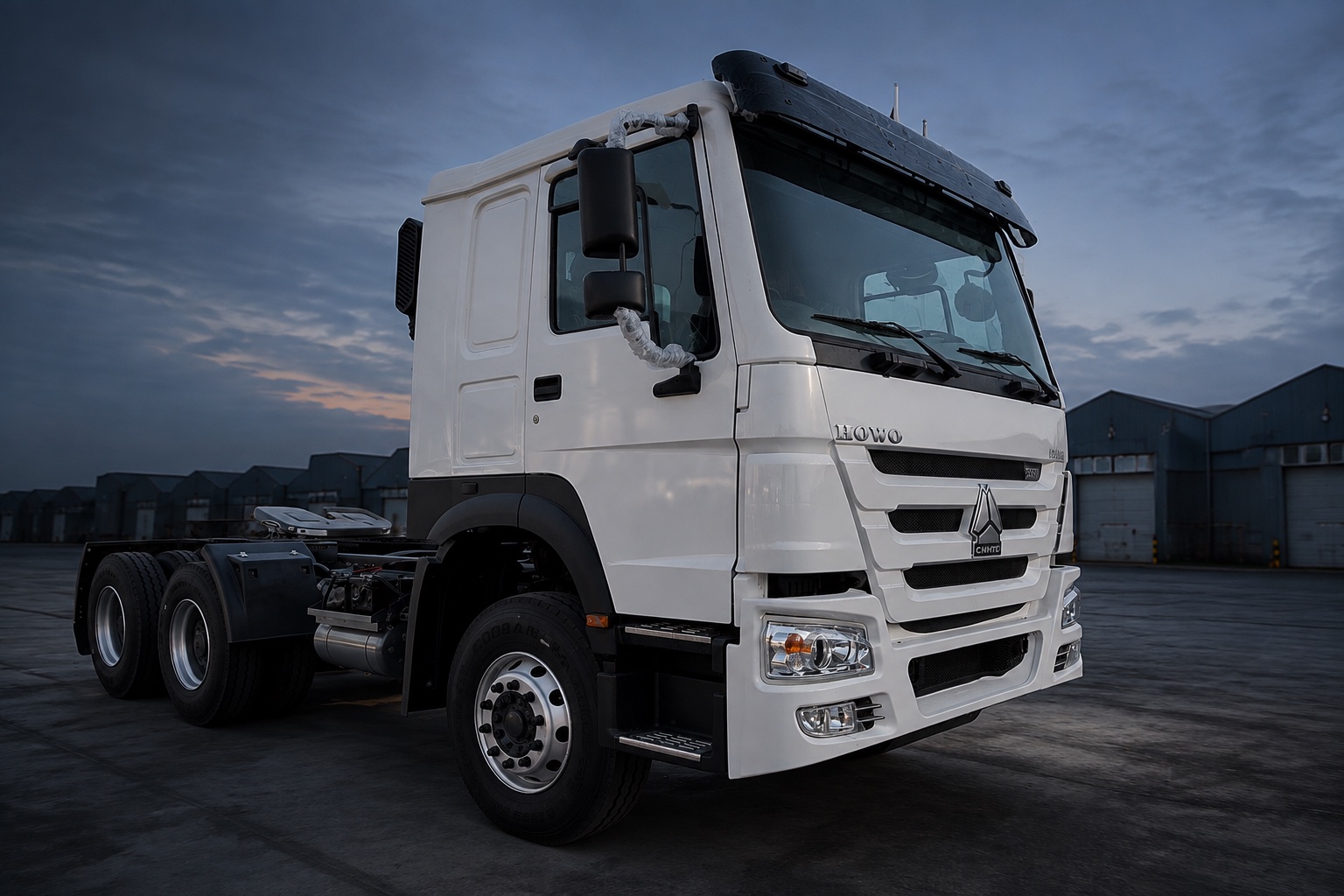
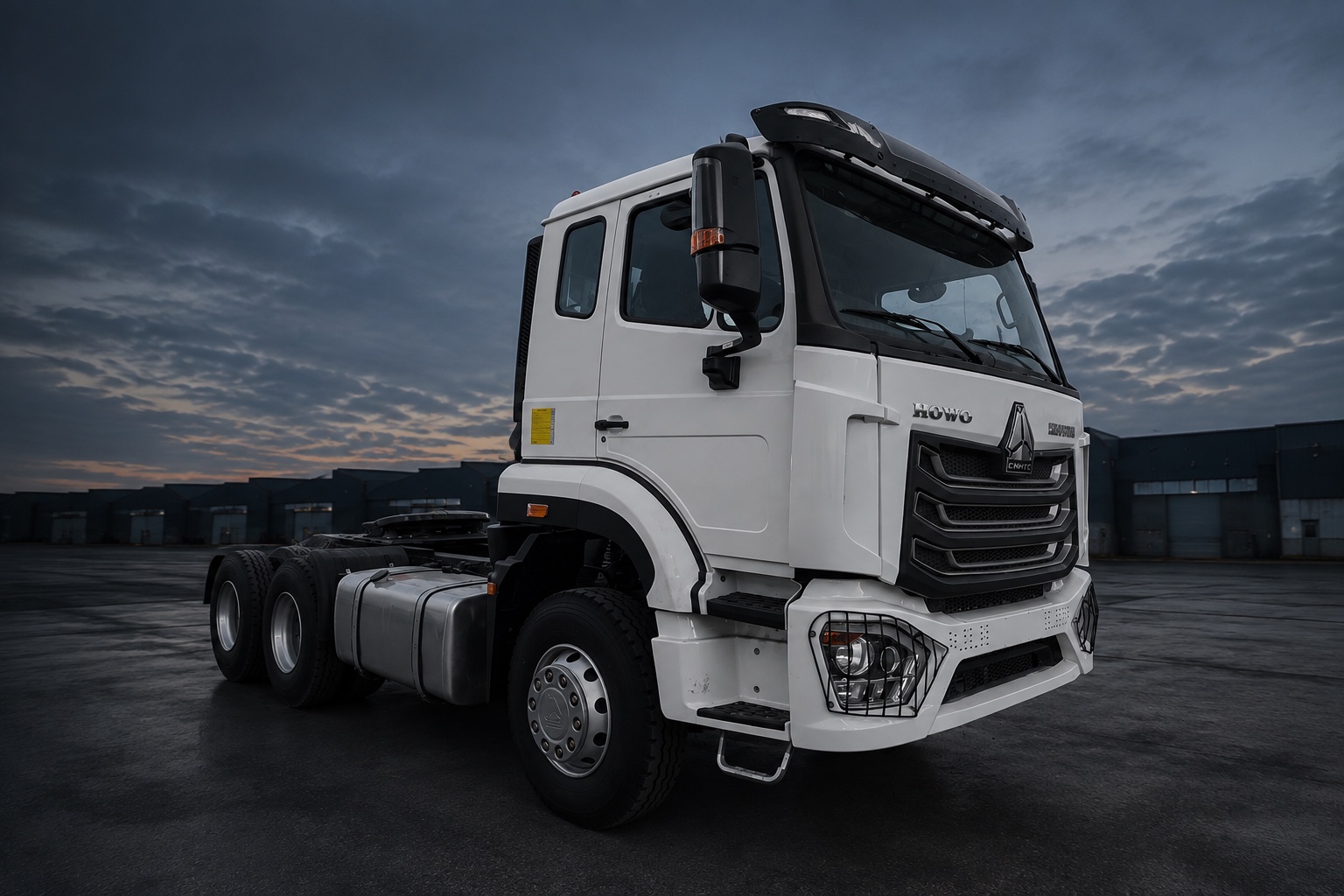
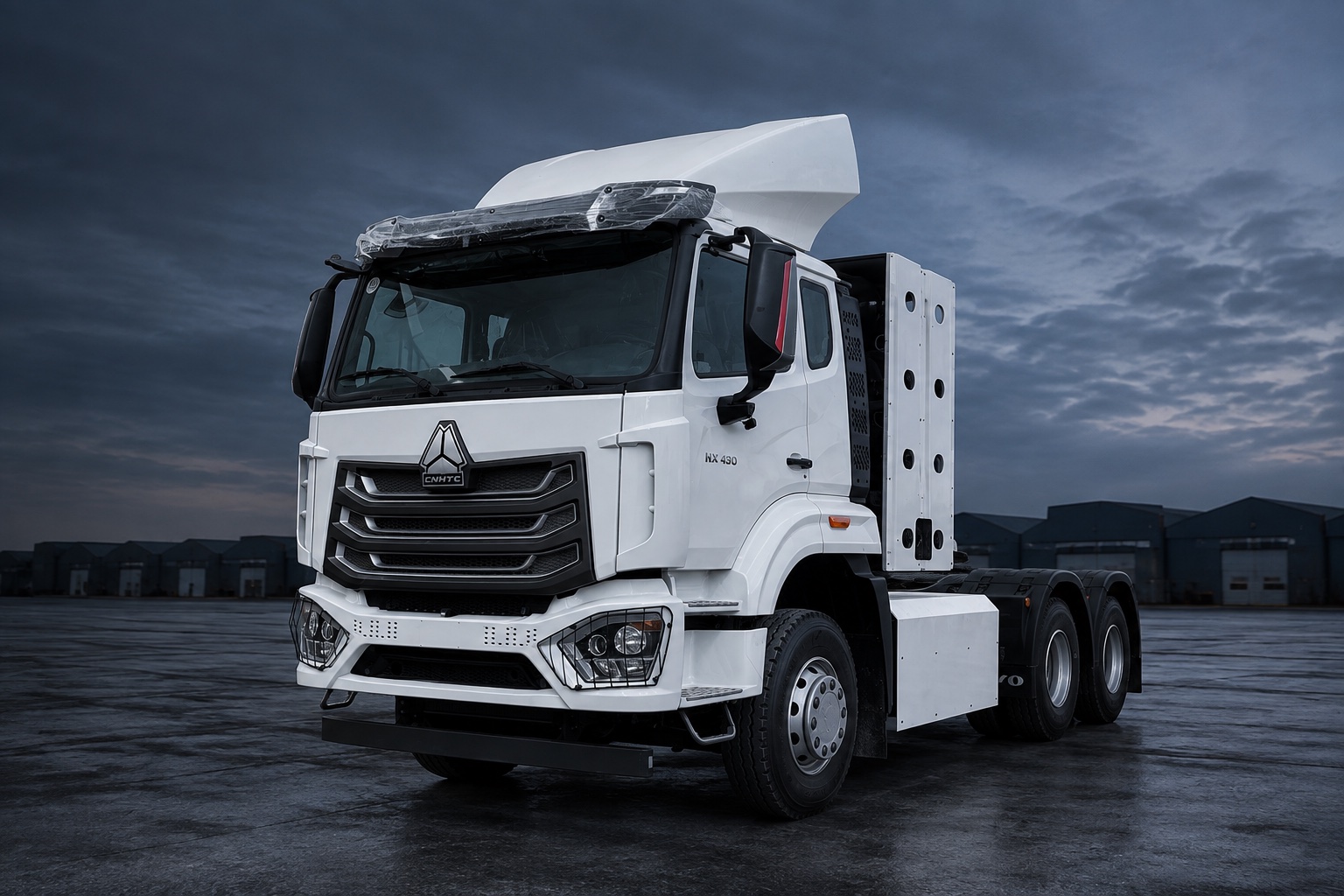
A sleeper cab is usually the practical choice for highway tractors and regional freight trucks. A HOWO NX 6x4 tractor, HOWO TX 6x4 tractor, or SHACMAN H3000 tractor may spend several days between a port, inland depot, border, and customer. A clean bunk gives the driver a proper place to rest when secure accommodation is unavailable.
Rest space does not replace legal driving hour rules or safe parking, but it can reduce the temptation to sleep across the seats. It also keeps the driver with the truck and cargo during unavoidable waiting periods. For cross border work, check whether a second driver travels regularly. A second seat does not make a cab suitable for two people to sleep in.
Single sleeper and double sleeper layouts serve different crews
A single sleeper cab normally has one lower bunk. It is often enough for one driver and can preserve more storage or headroom than a two bunk layout. A double sleeper adds an upper bunk or another sleeping position for two person crews.
Before paying for a double sleeper, confirm how the truck will actually be staffed. An upper bunk can reduce open space and may be uncomfortable in a low roof cab. Ask for the bunk length, width, mattress condition, ladder or access arrangement, ventilation, reading lights, curtains, and storage for each person. Photos should show the exact truck, not a catalogue example from a different cab.
Cab length must match wheelbase and body fit
Cab choice affects the package behind the front axle. On a rigid truck, a longer sleeper can reduce the clear chassis length available for a dump body, tanker, mixer equipment, crane, or box. On a tractor, the cab, wheelbase, fuel tanks, battery box, exhaust, spare wheel, and fifth wheel position must work together without creating contact during turns.
Review the truck wheelbase guide before changing cab type on an existing quotation. Do not assume a sleeper can replace a day cab without affecting the body subframe or axle loads. Ask the supplier for an overall dimension drawing that identifies front overhang, cab length, wheelbase, rear overhang, body space, and fifth wheel position where applicable.
Specify comfort equipment for the destination climate
A bunk alone does not make a good long distance cab. Air conditioning, heating, seat adjustment, cab suspension, ventilation, sun protection, mirrors, and storage all affect fatigue. For hot routes, confirm the air conditioner cools at idle and during a road test. For dusty sites, inspect door seals, window seals, the fresh air intake, and the cabin filter housing.
Cab suspension also matters. Mechanical mounts are simpler, while air suspended cabs can isolate more vibration but add bellows, valves, hoses, and height control parts. Match the system to road conditions and local service support. If fleet mechanics rarely see cab air suspension, include common service parts in the truck spare parts plan.
Inspect a remanufactured or refurbished cab carefully
Fresh paint can hide cab damage, corrosion, water leaks, or poor repairs. For a remanufactured or refurbished HOWO or SHACMAN, inspect the cab mounts, tilt mechanism, hinges, steps, floor, roof seams, windscreen frame, door alignment, locks, seals, mirrors, seat belts, wiring, dashboard warnings, and bunk structure. Check that the cab tilts and locks correctly and that hoses or wiring do not stretch during movement.
The pre shipment inspection guide explains how to turn the purchase specification into measurable checks. For the cab, require photos of the exterior, interior, bunks, roof, floor, identification labels, and any repaired areas. Run the air conditioner, heater, wipers, washers, lights, horn, windows, locks, and seat adjustments. A road test should reveal excessive cab movement, rattles, wind noise, water entry, or poor visibility.
Put the exact cab specification in the order
Terms such as luxury cab, high roof, or extended cab are too vague for a purchase document. Record these details:
- Brand and model family
- Left hand or right hand drive
- Roof height and day or sleeper layout
- Number of bunks and seat arrangement
- Air conditioning and cab suspension type
- Colour, mirrors, safety equipment, and required accessories
Attach dated photos or a dimension drawing when the exact configuration matters.
For stock trucks, record the chassis number and photograph the actual cab before deposit. For a rebuilt truck, state which cab components are new, repaired, replaced, or retained. This gives the buyer, supplier, and inspector the same reference and reduces disputes before shipment.
The practical buying decision
Choose a day cab when the truck works locally, returns to base reliably, needs maximum body space, and gains no value from carrying a bunk. Choose a sleeper cab when routes involve overnight travel, border or port delays, uncertain schedules, or secure rest inside the vehicle. Choose a double sleeper only when two person crews are normal and the dimensions work for both drivers.
Ruidite supplies and exports new, remanufactured, and refurbished HOWO and SHACMAN trucks from Qingdao. Tell us the route length, crew size, body or trailer type, climate, and overnight pattern, and we will help match the cab, wheelbase, and equipment before you order.
Related trucks
Ready to import with confidence?
Tell us what you need. We'll respond within one business day with specifications, FOB Qingdao pricing, and document support for your market.
Request a Quote