HOWO and SHACMAN spare parts: plan your first shipment
Build a parts list around the actual truck, then confirm compatibility, quantities, local supply and shipping acceptance.

Choose spare parts for the actual truck, its first planned services and the support available at the destination. Start with the fitted component numbers and maintenance schedule. A generic HOWO or SHACMAN kit can contain the wrong filters, belts or seals even when the trucks look alike.
Agree the parts list, price, packing and shipping acceptance before placing the order. A kit is a separate purchasing decision; do not assume parts, liquids or accompanying crates are included in the vehicle freight.
Start with the first services
Ask your workshop to list the services expected before reliable local replenishment is available. Use the engine, gearbox, axle and body-equipment instructions for the fitted components. Working hours, mileage, operating conditions and the maintenance schedule determine quantities; there is no universal first-year kit.
Items to discuss include engine oil and fuel filters, air filter elements, the fitted air dryer cartridge and drive belts. Confirm each part number and the quantity required for one service before multiplying it by the planned number of services. Do not change a service interval because a box contains fewer parts than needed.
Lubricants and coolant need the correct specifications as well as quantities. Check local availability first. If they are to travel with the truck, obtain the carrier's written acceptance and any required product or transport documents. Buying them in advance does not establish that they can be loaded under the vehicle booking.
Decide which wear parts justify carrying
Ask the workshop which failures would stop this truck and which replacements are difficult to obtain locally. Brake components, clutch parts, suspension bushes, wheel seals, hoses and cooling-system components are possible candidates. They are not an instruction to replace serviceable parts or dismantle safety-critical systems without a qualified technician.
Record the reason for each selected item: an inspection finding, scheduled maintenance, measured wear or a documented local supply delay. Avoid buying major assemblies simply because a generic checklist includes them. Conversely, do not assume that a refurbished engine or gearbox cannot fail during the first year.
For a tipper, identify the installed hoist, pump, valves and hoses separately from the chassis. Use the dump truck tipping-system inspection guide to discuss what was inspected and what needs support. A chassis model does not identify every body-equipment part.
Match every line to the fitted component
Send the chassis identification, engine model and serial number, and clear photographs of the relevant component labels. For gearbox, axle or hydraulic parts, include that assembly's identification too. A refurbished truck may have replacement components that need checking against its earlier records.
Use our part-number matching guide to prepare the request. Ask the supplier to state the part number, manufacturer or brand, quantity, application and any proposed alternative on each quotation line. Resolve substitutions before packing.
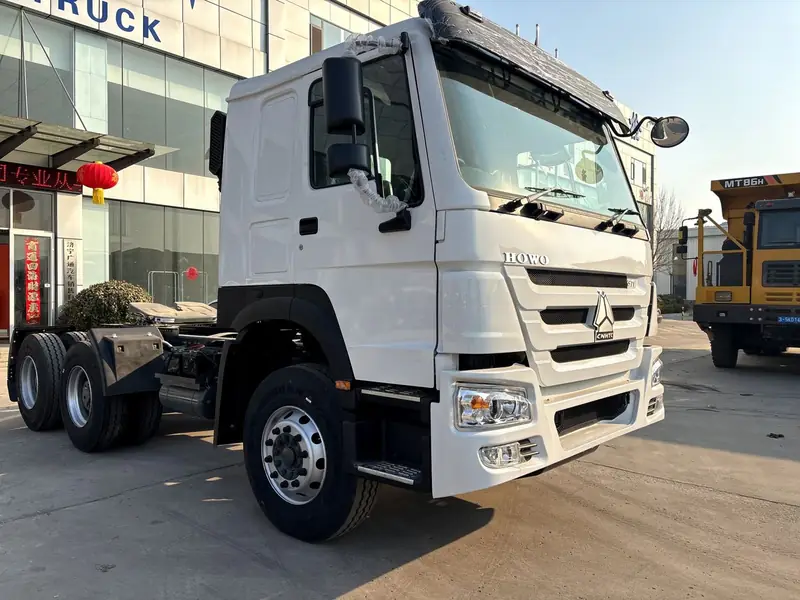
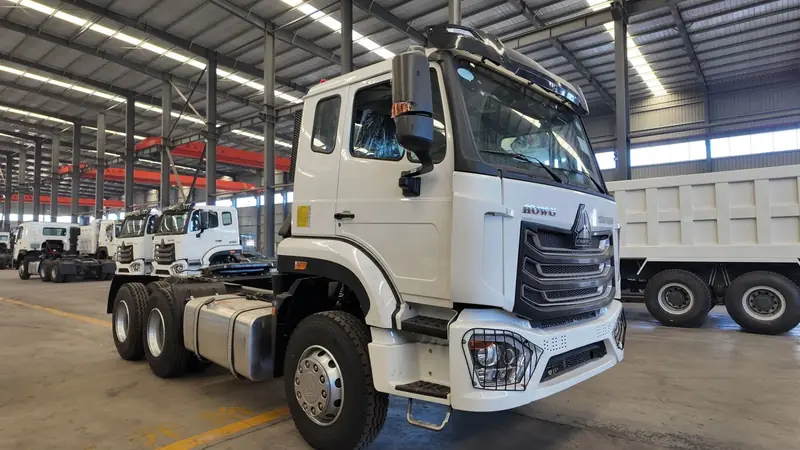
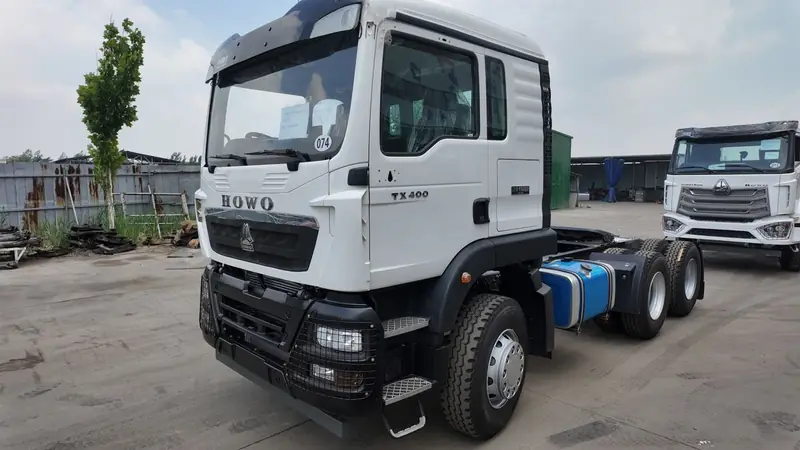
The HOWO 371 tractor reference and SHACMAN H3000 reference help identify the vehicle being discussed. Their model descriptions cannot confirm compatibility with an unverified truck.
Check local support before importing the kit
Ask local suppliers to quote the same identified parts and give current lead times. SHACMAN provides a parts locator for finding support; confirm the dealer's coverage and stock directly. A locator entry does not prove a specific item is on the shelf.
Compare the delivered cost, lead time, warranty route and ability to identify parts again. Keep the final part-number list for future orders. Avoid assuming that every mechanic or parts shop in a destination country supports every HOWO or SHACMAN configuration.
Confirm packing and transport separately
Request packed dimensions, gross weight, crate numbers and the contents of each crate. The carrier or forwarder should confirm whether the parts can travel with the vehicle, how they must be secured, and the additional charge. Do not describe a crate as free cargo or assume it can be left inside the cab.
Provide an itemized list for the destination clearing agent to review. Ask the agent to confirm classification, documentation and any inspection requirements for the actual parts and shipment. Requirements for a vehicle and for a separate parts consignment may differ.
Arrange photographs of labels and packed contents during the agreed pre-shipment inspection. Check quantities against the packing list and keep any sealed-crate references with the shipment documents.
Send a parts request that can be priced
- Truck identification and the fitted assembly numbers.
- Intended work, destination and planned first-service requirements.
- Requested part numbers, descriptions and quantities.
- Acceptable brands or alternatives, if any.
- Packing requirements and the proposed shipment.
- Items still awaiting compatibility or carrier confirmation.
Add the agreed kit to the technical attachment and price lines of the proforma invoice. Keep vehicle and parts prices distinguishable. Contact R Trucks with the identified truck and parts request so the quotation can state what is included and what still needs confirmation.