Truck pre-shipment inspection: scope and evidence
Agree the truck identity, inspection scope, evidence and acceptance conditions before shipment. Understand what a report can and cannot establish.
A pre-shipment inspection compares an identified truck with the specification and checks agreed for the order. It can record visible condition, selected functions, documents and unresolved defects before shipment. It does not certify every hidden component or guarantee future reliability.
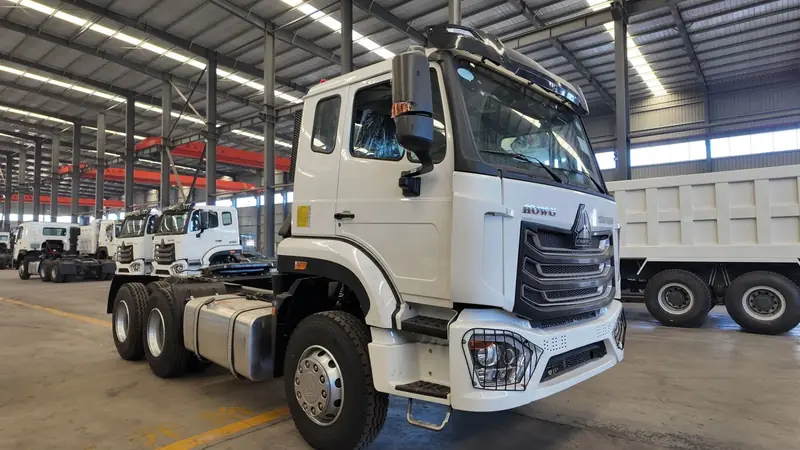
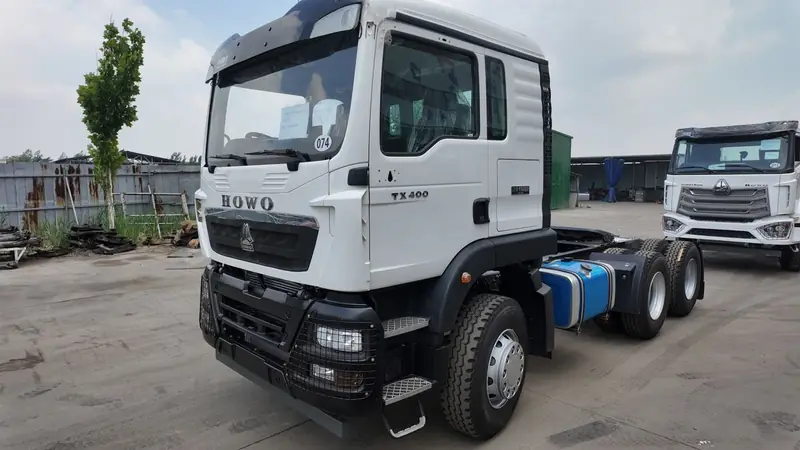
For a HOWO or SHACMAN purchase, agree the inspection scope before the payment and shipment milestones. A supplier's photographs, a live video call and an independent physical inspection provide different kinds of evidence.
Choose an inspector for the actual work
Ask the proposed agency or qualified vehicle inspector whether it can assess the truck and body equipment at the named yard. Confirm technical competence, access, test equipment, permitted demonstrations, the report recipient and any limits on the work. A familiar inspection-company name does not establish that a particular service is available at your location.
Request a written fee, travel costs and report deadline. Agree who pays for corrective work and any repeat inspection. Do not budget from an old general man-day rate or assume an agency includes every mechanical test in its standard service.
The NSW Government used-vehicle checklist recommends considering an independent licensed repairer or mechanic for a pre-purchase inspection. That supports obtaining qualified advice; Australian registration requirements do not determine import compliance in an African market.
Put the evidence requirements in writing
- Identity: readable chassis and component identification, compared with the order and its technical attachment.
- Visible condition: dated photographs of the cab, chassis, body, fitted equipment and any defects within the accessible inspection area.
- Functions and measurements: an agreed list of checks, the method, conditions, equipment and results. Record checks not performed.
- Documents and accessories: compare the supplied records, manuals, parts and tools with the contracted list.
- Shipment preparation: review the agreed preparation and securing arrangements with the inspector and carrier; an inspection cannot guarantee damage-free transport.
Ask the inspector to distinguish a visual observation from a measurement or operating test. An engine starting in the yard is not evidence that every gearbox range, braking requirement or loaded operation has passed. Test conditions and limitations belong beside the result.
Choose the detailed system checks
Use the overview above to book the inspection, then select the technical scopes that fit the truck. Share the relevant guides with the inspector and ask which checks can be performed with the agreed access and equipment:
- Chassis identity, frame condition and suspension.
- Air brakes, steering and wheel hubs.
- Gearbox, driveline and electrical equipment.
- Air intake, turbocharger and fuel system.
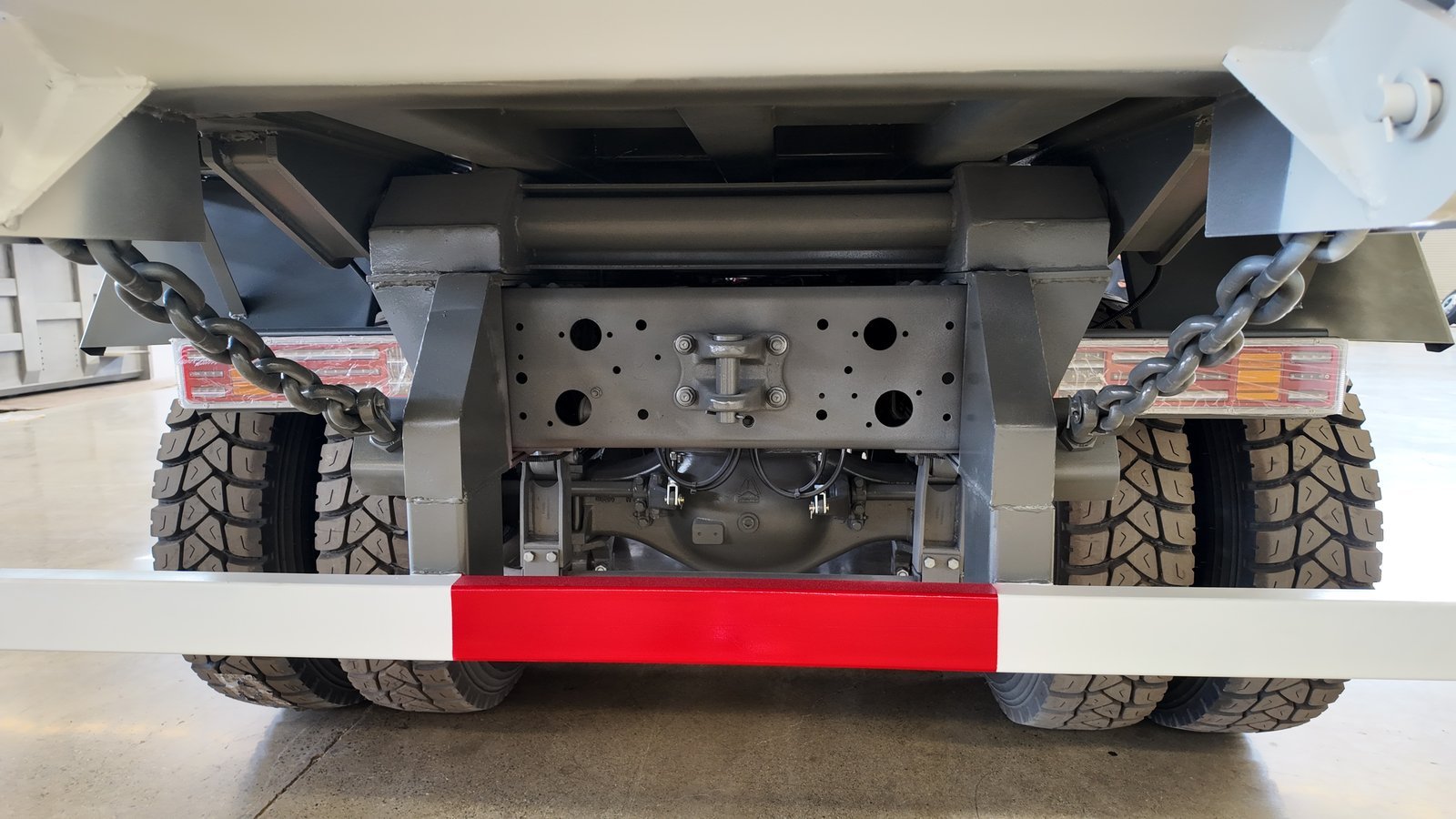
- For a tipper, hydraulic tipping equipment and the body specification.
These guides identify questions and evidence to request. They do not replace the inspector's safe procedure or the fitted equipment's service information. Keep visual observations, operating tests and instrument measurements distinct in the final report.
Separate inspection from import approval
A buyer-commissioned inspection and a destination's mandatory vehicle conformity checks may have different scopes and approved providers. Ask the destination authority or clearing agent which documents and inspections apply to the exact vehicle before booking. Do not assume a general condition report replaces required import or registration evidence.
For a refurbished HOWO truck, compare the completion evidence with the agreed refurbishment grade. Ask which assemblies were dismantled, which parts were replaced and which were left undismantled. A repaint or a general inspection report cannot prove an internal overhaul.
Agree how findings affect acceptance
Set the appointment when the work to be assessed is complete and before the relevant shipment milestone. Supply the quotation, technical specification and agreed changes. Define acceptance criteria and the handling of missing tests, defects and discrepancies before the inspection takes place.
If satisfactory inspection is to be a condition of balance payment, agree that in the contract before paying the deposit. R Trucks' standard payment terms are 30% deposit and 70% before shipment; the exact evidence and acceptance conditions must be recorded for the order. Do not assume a general guide changes an existing agreement.
Keep the report, dated evidence, correction records and reinspection results together. Mark a finding closed only when the agreed correction and evidence have been reviewed. A report that lists unperformed checks is not a pass for those checks.
Arrange the next step
Use the remote video inspection guide to prepare a supplier call, and the proforma invoice checklist to record the agreed scope and milestones. For a HOWO 371 tipper, include the body and tipping equipment as well as the chassis.
Contact R Trucks with the truck type, quantity, destination and proposed inspection requirements. Agree access, timing and responsibility before booking an inspector or treating a viewing as final acceptance.