New Chinese dump truck or used Japanese truck: which should you buy?
Compare the exact vehicles by work suitability, delivered cost, condition, and local repair support. A new HOWO or SHACMAN may suit a buyer seeking a specified configuration and an agreed warranty. A used Japanese truck may suit a buyer who can verify its condition and obtain strong local support. Neither choice wins on brand or age alone.
Quick answer: Compare the exact vehicles by work suitability, delivered cost, condition, and local repair support. A new HOWO or SHACMAN may suit a buyer seeking a specified configuration and an agreed warranty. A used Japanese truck may suit a buyer who can verify its condition and obtain strong local support. Neither choice wins on brand or age alone.
The question comes up when a buyer has enough money for a new Chinese truck or an older truck from an established Japanese brand. The prices may look close, but the vehicles can differ in body, load suitability, steering position, service requirements, and remaining preparation work.
Use a specific HOWO or SHACMAN dump truck configuration as one side of the comparison. On the other side, identify an actual used vehicle with a written description and inspection findings. Comparing a detailed quotation with a vague second-hand advertisement is unlikely to produce a useful answer.
Compare trucks for the same job
Write down the material, loading method, route, gradients, site access, and required working pattern. Then check how each proposed truck fits. A truck advertised as a tipper may have a body built for a different material or an operating arrangement that does not suit your site.
Compare completed vehicle dimensions, body construction, tyre specification, steering position, and the proposed drivetrain. Ask the supplier to identify the configuration in the quotation rather than relying on a model name. Trucks from the same brand can have materially different equipment.
Confirm destination acceptance separately with the relevant local authorities or qualified import adviser before paying. New condition does not by itself establish compliance, and an older truck being offered locally does not prove that an imported example will qualify for registration. Check the specific vehicle and intended use.
Put both options on the same cost basis
For a direct import, request a clear price basis and a list of included services. Obtain destination costs from your clearing agent and local service providers. Add the preparation and registration costs needed before the truck can start earning.
For a locally available used truck, include inspection, identified repairs, tyres, overdue service, and any transfer or registration costs that apply. Ask whether the advertised price includes the body and equipment you inspected. A low headline price may leave substantial work for the buyer.
Keep uncertainty visible. Use separate lines for quoted amounts, estimates, and unresolved items. You can then see whether the apparent saving survives the costs you still need to establish. Do not fill an unknown repair cost with zero simply to complete the comparison.
Inspect the used vehicle beyond its badge
Ask for identity, service history, previous duty, and evidence of major repairs. Arrange a competent inspection covering the truck and the fitted body. The assessment should address your intended use, rather than only confirming that the engine starts and the body raises.
A familiar brand does not establish the condition of a particular frame, gearbox, or tipping installation. If repairs or modifications are present, ask who performed them and what evidence supports their suitability. Resolve any issue that affects safe operation before accepting the vehicle.
Caterpillar's guidance on repaired heavy equipment highlights maintenance records, repair history, and condition checks as buying considerations. Its advice concerns heavy equipment generally; it does not certify the condition of either truck on your shortlist.
Check the new truck's delivery specification
With a new truck, agree the equipment and condition being supplied in writing. Ask how the final vehicle will be identified and how conformity with your order will be checked. Include fitted components, body details, supplied documents, and any accessories that matter to your operation.
Clarify the inspection and handover process, along with responsibilities for commissioning and initial service. Ask what evidence will be available before dispatch. The word new should not replace an acceptance checklist or a clear description of what the supplier will deliver.
If a remanufactured or refurbished option enters the discussion, compare it as a separate offer. Use the condition comparison guide and obtain the actual preparation scope. Do not describe a refurbished truck as equivalent to new because it has received paint or selected replacement parts.
Test local support with specific questions
Before choosing either brand, give a local workshop the proposed engine and gearbox identification. Ask whether it can service that configuration, obtain the required information, and diagnose the systems fitted. Familiarity with a brand is useful, but it is less specific than familiarity with your truck.
Ask parts suppliers about identifiable components rather than whether they sell Chinese or Japanese truck parts. Request availability and likely delivery arrangements for routine service items and components that would stop the vehicle working. Clarify which items are in local stock and which must be ordered.
SHACMAN describes its parts supply arrangements and vehicle-specific parts information on its official parts page. A manufacturer's network description is a starting point for enquiries. It does not confirm that the exact part you need is stocked near your work site or that Ruidite provides an authorised local workshop.
Compare warranty with the cost of a stoppage
For each offer, ask who receives a claim, what evidence is required, which components are covered, and what exclusions apply. Clarify labour, transport, parts shipment, and repair approval. A warranty duration alone tells you little about how a stopped truck will return to work.
Ask the same practical question of a used vehicle sold without warranty: who can inspect and repair it, how will parts be sourced, and what funds remain for the work? A purchase can be difficult to operate even when the original price fits the budget.
In a Reddit discussion about Chinese construction trucks, contributors weigh purchase price, local support, and older Japanese alternatives. These are individual accounts from the Philippines. They help frame the questions, but do not establish reliability rankings or import rules for another country.
Make the decision from a written comparison
Put both vehicles on one sheet with the same fields: job suitability, identified configuration, ready-to-work cost, evidence of condition, local workshop support, parts arrangements, and warranty or repair responsibility. Mark unresolved items before deciding which offer is stronger.
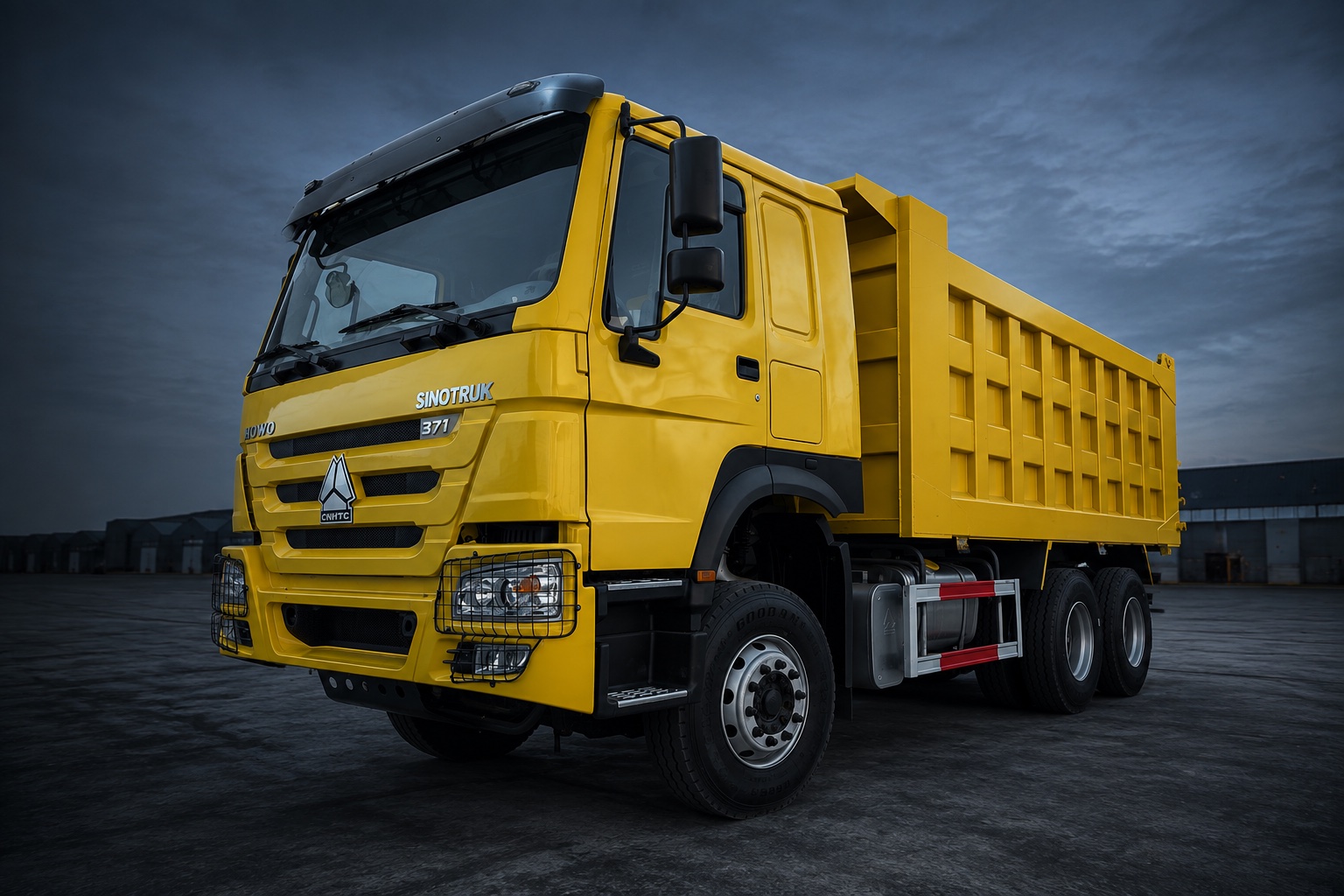
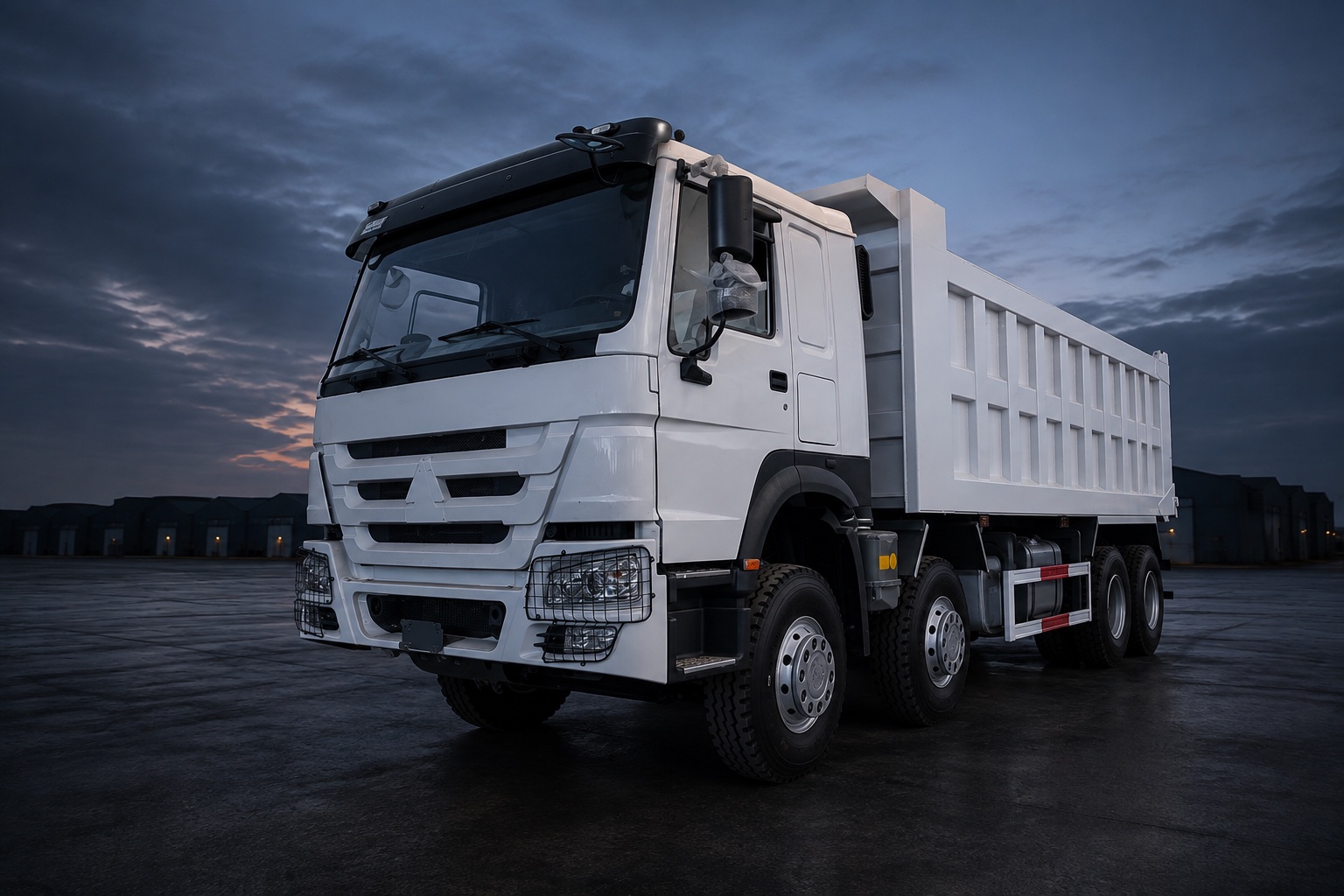
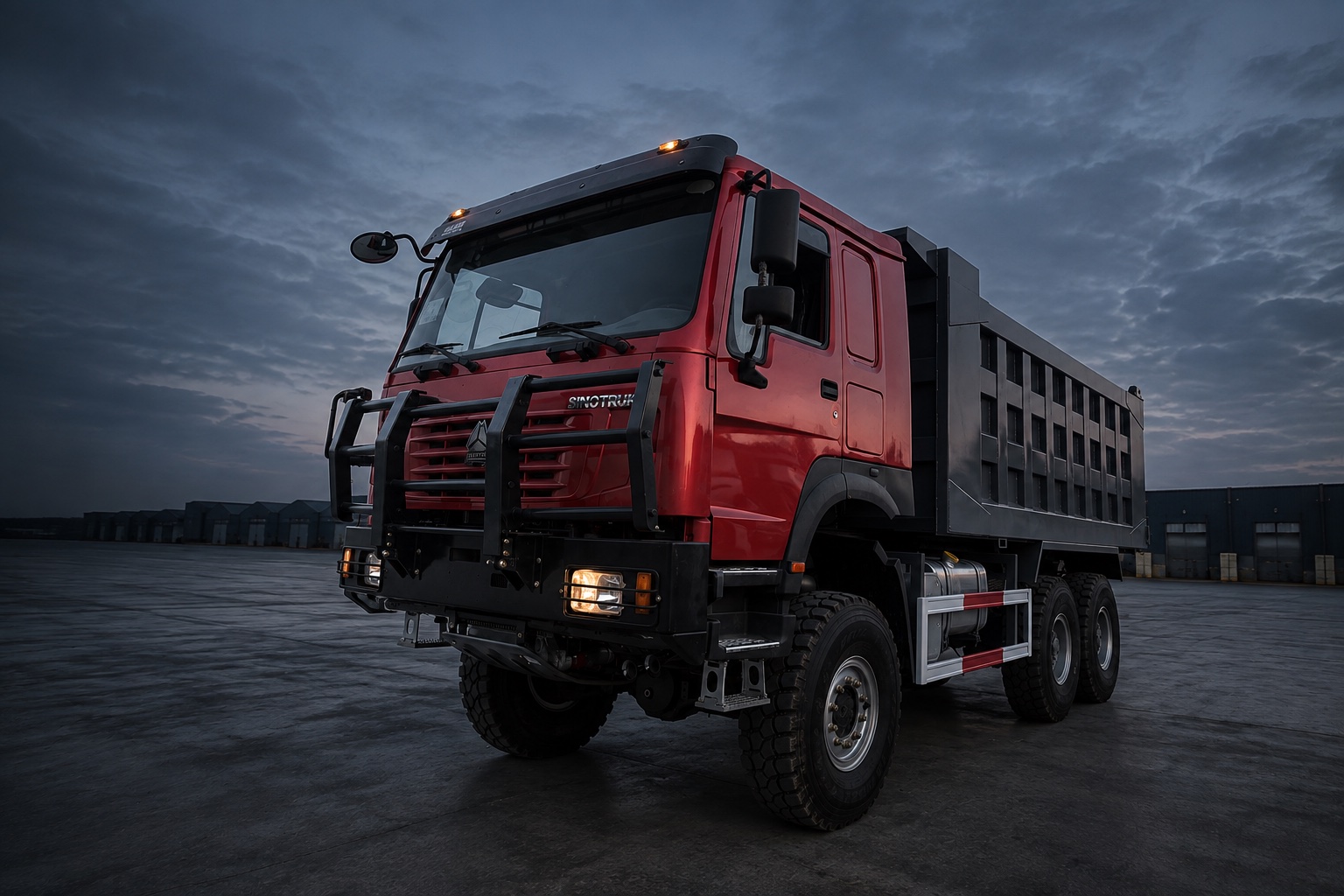
Ruidite supplies and exports new, remanufactured, and refurbished HOWO and SHACMAN trucks. Send Ruidite your material, route, quantity, and destination port for a configuration discussion and quotation. Compare that offer with the inspected local alternative using the same questions, costs, and evidence requirements.
Related trucks
Ready to import with confidence?
Tell us what you need. We'll respond within one business day with specifications, EXW or CIF pricing, and document support for your market.
Request a Quote