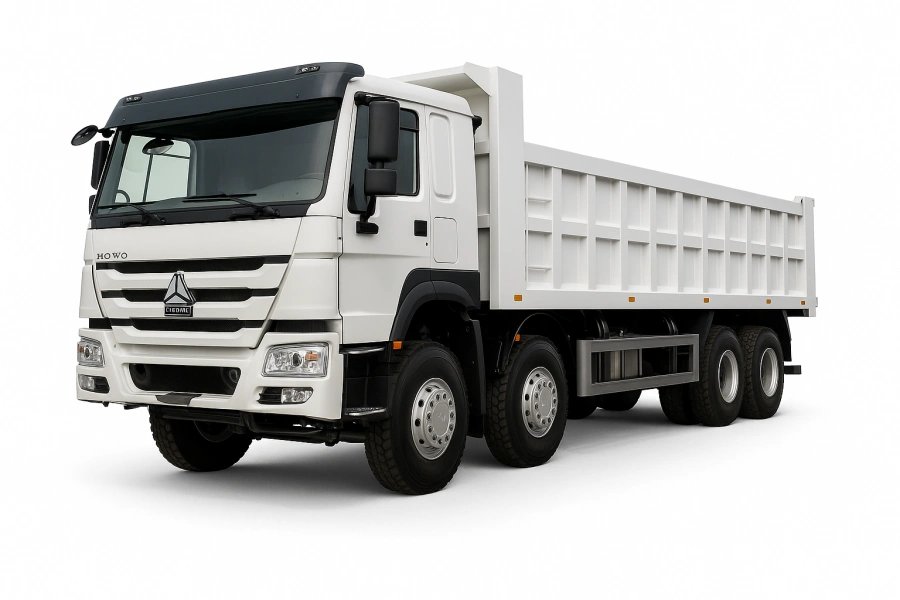
Monrovia Port–Focused Planning
Liberia truck demand is highly port-driven. SINOTRUK HOWO specs emphasize braking consistency, idle tolerance and predictable wear for Monrovia stop–start logistics.
Liberia fleets often operate in a high-rainfall environment where road conditions can change quickly. The strongest specs are built around port stop–start wear, traction planning, and service practicality beyond the capital.
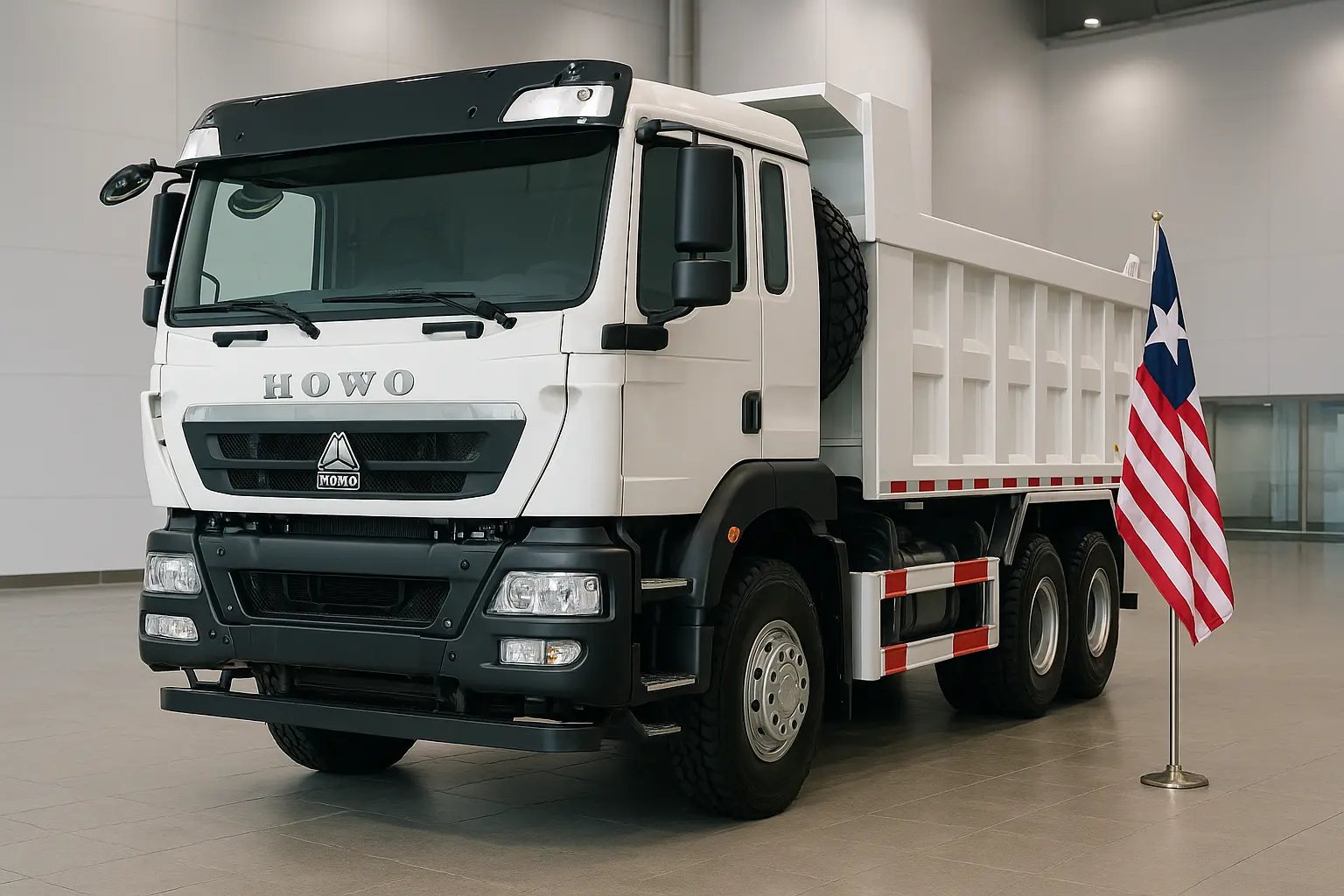
Liberia truck demand is highly port-driven. SINOTRUK HOWO specs emphasize braking consistency, idle tolerance and predictable wear for Monrovia stop–start logistics.
Beyond coastal corridors, service access becomes uneven. Configurations are chosen with durability, protection and simplified maintenance in mind.
Liberia’s long rainy season turns road grip into the real bottleneck. Truck selection prioritizes traction planning and downtime prevention.
Optional spare kits and wear-item planning help Liberia fleets reduce unexpected stops when supply chains slow.
A practical choice for road projects and earthmoving where durability and predictable wear matter more than brochure specs—especially when service access is limited inland.
View Dump Truck Details
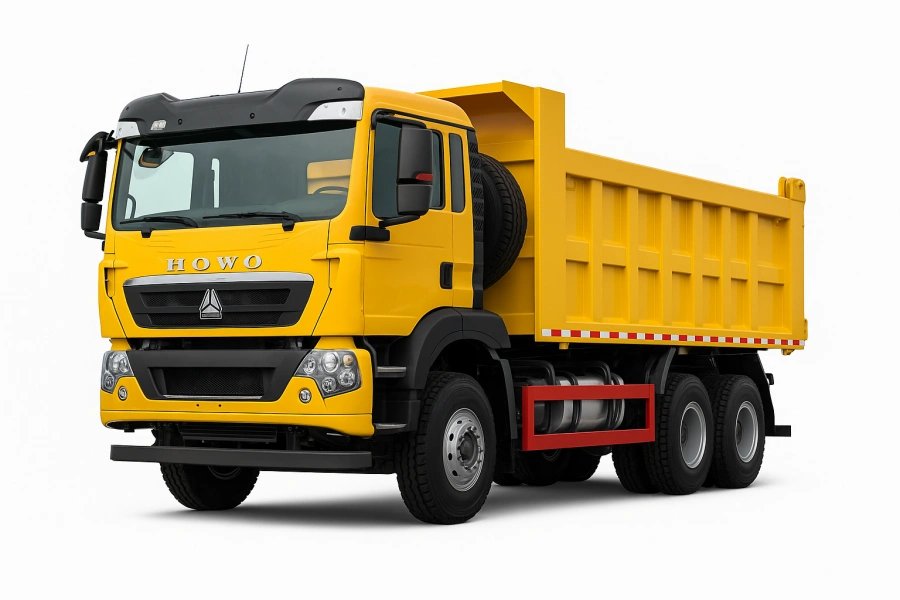
Chosen when you need a modern upgrade to support higher utilization, tighter dispatch and a clearer maintenance rhythm—ideal for contractors running long work seasons.
Check TX Dump Truck
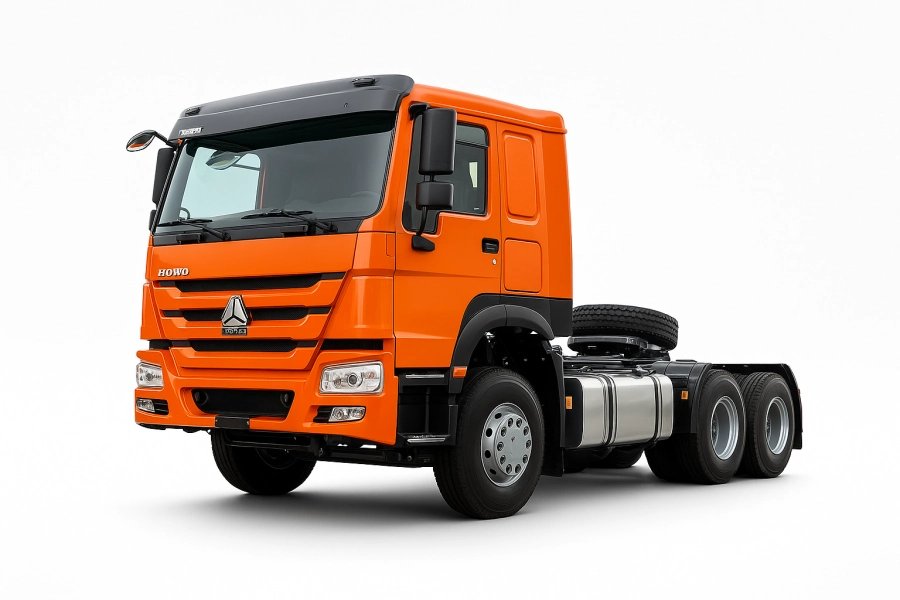
Built for Monrovia port distribution and coastal freight where stop–start traffic, idling and repeated braking dominate the real cost of operation.
View Tractor Options
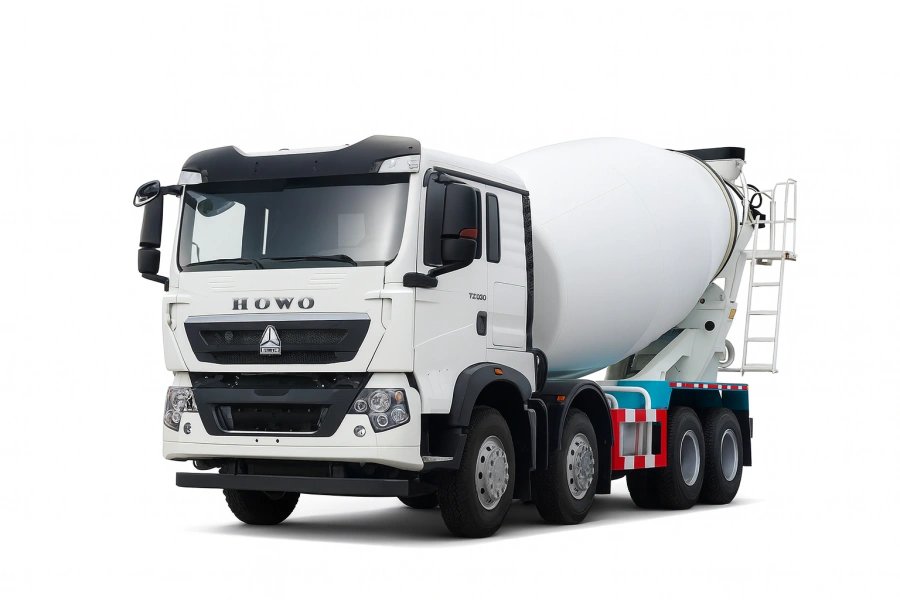
Designed for infrastructure pours where rain windows and waiting time shape productivity. Best chosen around workflow reliability and easy daily maintenance.
View Mixer DetailsFrequent braking, idling and congestion increase thermal load. Specs that emphasize brake consistency and cooling reserve deliver more predictable daily output.
Laterite and soft roads lose grip quickly. Productivity depends on traction strategy and planning consumables that fail faster in wet, abrasive conditions.
Beyond the capital, workshop access is uneven. Fleets benefit from durability-first configurations and easier daily maintenance.
Tractor heads handle repeated short trips with long idle time. Reliability depends on braking stability and heat management rather than peak output.
Dump trucks serve agricultural and resource sites where soft access roads and limited workshops require durable, easy-to-maintain configurations.
During wet months, traction and downtime planning decide daily output. Fleets that prepare consumables and protection keep moving.
Mixer trucks face waiting time, traffic delays and weather interruptions. Workflow-fit and easy checks protect scheduling reliability.
Most Liberia buyers choose a HOWO tractor head for port work because braking stability and heat control matter more than peak power.
Rain-season output depends on traction planning and wear-item availability, not higher ratings alone.
TX models are chosen when fleets plan higher utilization and disciplined maintenance over long work seasons.
Durability and ease of maintenance are critical where workshop access is limited.
Yes—Liberia specs should be built around route type, rain exposure and service access.
Share route patterns, rain-season operation months and service locations for accurate recommendations.
Normal preparation is 30–45 working days after deposit to a Chinese port. Ocean transit and destination clearance are additional. Payment is 30% deposit and 70% before shipment. Ruidite Machinery provides a 12-month warranty on the engine, gearbox and rear axle; wear parts are excluded and the written sales contract defines the scope. Reference guide prices depend on configuration and delivery basis.