Factory-Controlled Export Process
Stable configuration control and QA discipline ensure Mauritania fleet orders stay consistent across batches.
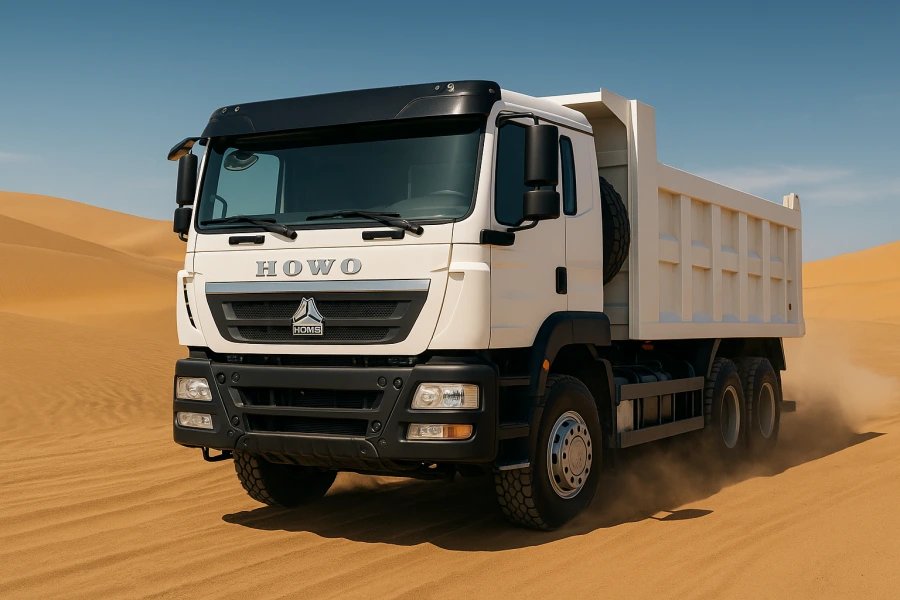
Engineered for Mauritania’s long distances, sand exposure and high-temperature logistics reality.
Stable configuration control and QA discipline ensure Mauritania fleet orders stay consistent across batches.
Optimized for Mauritania’s long desert corridors where route stability and mileage planning define ROI.
Cooling margin and filtration strategy designed for sand ingress, heat soak and long idle cycles.
Spare parts strategy and service guidance tailored for remote Mauritania routes beyond major hubs.
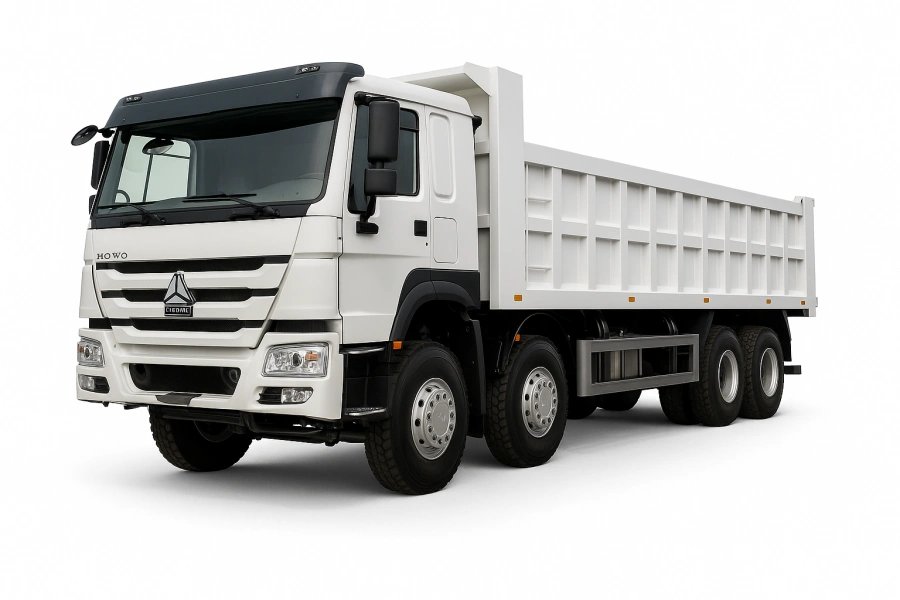
Selected for bulk material movement and site haulage where ramp stability, braking heat control and body durability determine daily output in desert environments.
View Dump Truck Options
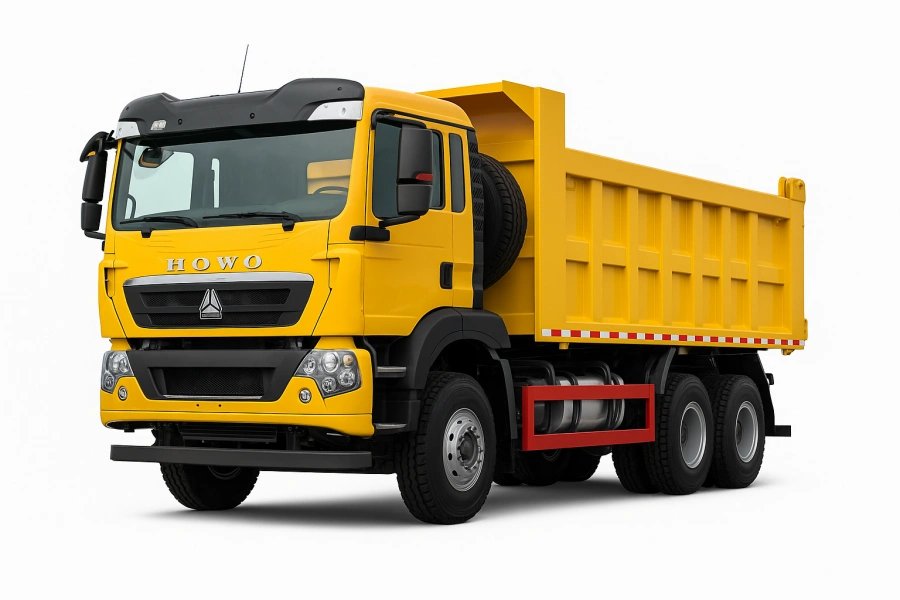
Chosen by fleets running extended shifts. TX platform is often configured for improved thermal management, dust protection and operator consistency on long desert workdays.
Check TX Dump Truck
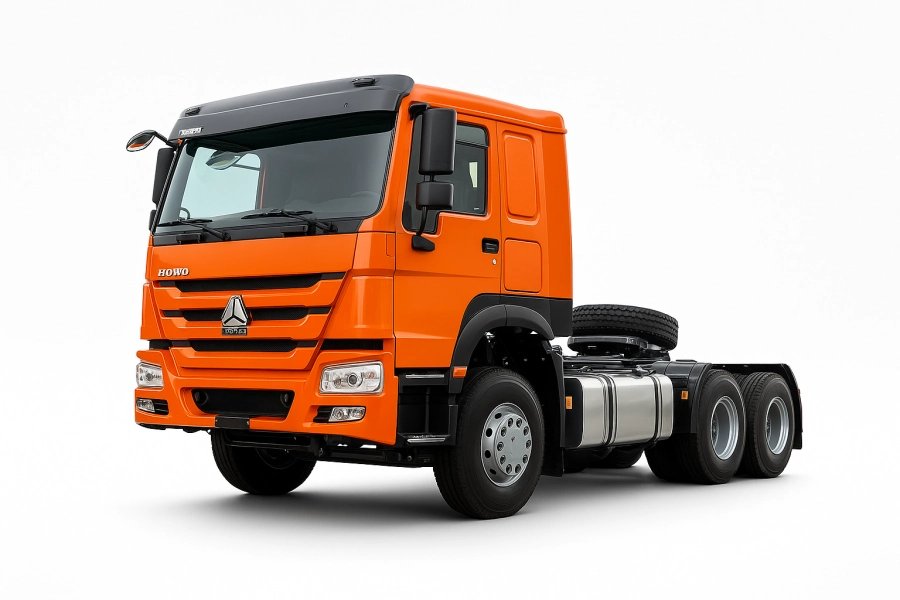
Designed for containerized and bulk cargo moving from ports to inland destinations. Configuration focus is placed on driveline ratios, filtration and braking reliability over distance.
View Tractor Head Specs
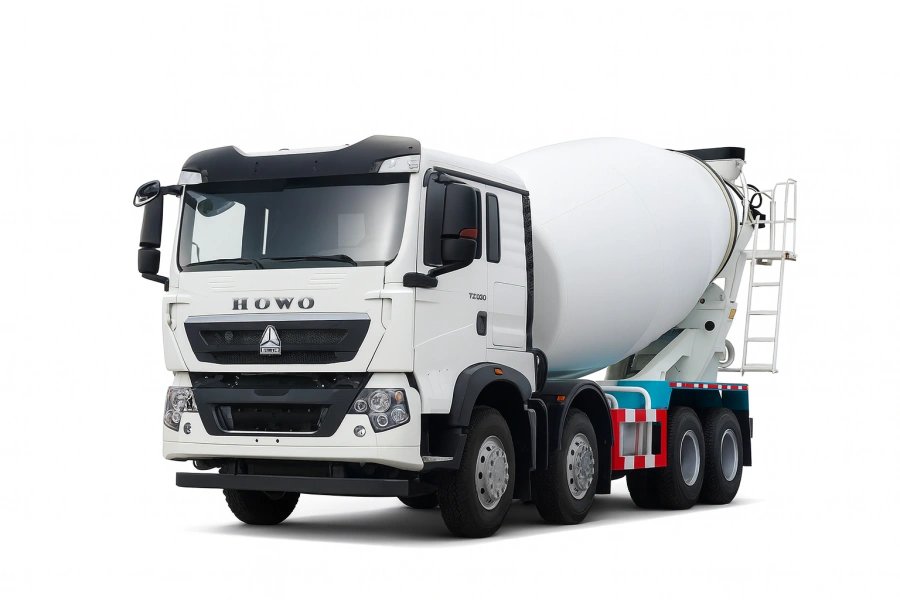
Used for infrastructure and urban development projects where pour timing, drum stability and heat exposure directly affect concrete quality.
View Mixer Truck DetailsIn Mauritania, wind-driven sand enters everywhere—especially on desert corridors and mine access roads. A “standard” filtration setup can look fine at delivery but degrade quickly in real operations. The Mauritania-ready approach is to spec for sand ingress control and set a maintenance rhythm that matches dust intensity + distance between service points.
Mauritania logistics often means port corridors plus long inland runs under heat soak. The winning configuration is not the “most powerful” spec—it’s the one aligned to average route speed, load stability, and braking planning for stop–start segments and descents. This reduces trip variability and protects cost per kilometer.
A large share of cargo enters Mauritania through the port of Nouakchott and moves inland over long, exposed highway sections. Tractor heads are commonly used for containers and bulk cargo, where stable cruising, heat tolerance and predictable fuel behavior matter more than peak horsepower.
Mining-related transport often combines paved corridors with rough access roads. Dump trucks and tractor heads support bulk material, equipment and consumables, where dust control, axle reliability and service access determine daily productivity.
Road building, site leveling and public infrastructure projects rely on dump trucks operating in repetitive cycles. In Mauritania, buyers focus on braking heat management, body durability and traction on sand-affected ramps.
In urban zones and development corridors, mixer trucks are used for concrete delivery under tight pour schedules. Here, thermal stability, drum reliability and predictable arrival times directly affect construction quality.
Buyers first define whether the truck will run port-to-inland corridors, mixed desert routes, or short-cycle construction work. This determines stability, cooling, and maintenance priorities.
The next decision is how far trucks operate from reliable service points. In Mauritania, this step often reshapes the entire configuration strategy.
Long-haul cruising, repeated site cycles, or mixed-use operations each stress different components. Buyers align braking, cooling, and wear planning at this stage.
Only after route, service, and cycle are defined do buyers finalize the truck type—dump truck, TX dump truck, tractor head, or mixer truck.
Optimize for stable kilometers and heat soak tolerance. The best ROI comes from driveline harmony and predictable wear, not “maximum output on paper”.
Build around service spacing and sand ingress control. Remote routes punish “tight tolerances + weak maintenance access” far more than they reward extra spec.
Protect cycle time by controlling the two main killers: braking heat and traction inconsistency on sand-affected access ramps.
When pour windows are strict, configuration should prioritize thermal stability and reliability under idle time—not theoretical capacity.
Choosing aggressive configurations without matching real average speed, load consistency, or service spacing often increases maintenance stress. In Mauritania, stability over distance matters more than peak output.
Desert wind-driven sand affects filtration, sealing, and long-term reliability. Treating sand exposure as a minor factor usually leads to early performance degradation rather than visible failures.
Configurations that assume frequent workshop access struggle on routes where service points are far apart. Mauritania buyers benefit more from predictable wear planning than from complex setups.
In short-cycle earthmoving, braking heat and traction loss reduce daily output faster than payload limits. Ignoring these factors often lowers real productivity on site.
For long desert corridors and port-to-inland transport in Mauritania, buyers usually start with HOWO tractor heads. The selection is based on stable cruising, heat tolerance, and predictable wear behavior, rather than maximum horsepower or short-cycle performance.
Sand ingress is a major concern in Mauritania. Buyers typically focus on filtration strategy and sealing discipline, combined with a maintenance rhythm matched to desert wind exposure. The goal is to keep performance stable over time, not just at delivery.
Not necessarily. In Mauritania, over-specification can increase maintenance burden. Most experienced buyers prioritize reliability, service access, and predictable wear instead of aggressive configurations that are difficult to support on remote routes.
For mining supply and remote operations, the first focus is service spacing and spare parts planning. SINOTRUK HOWO trucks are typically configured to allow predictable maintenance and planned parts replacement where access to workshops is limited.
Construction buyers usually spec dump trucks around braking heat control, traction on sand-affected ramps, and body durability. The configuration is designed to protect cycle time during repeated loading and short-haul operations.
To receive a Mauritania-fit recommendation, buyers should share route length, load type, service distance, and operating pattern (long-haul, short-cycle, or mixed). This allows the configuration to match real usage instead of a generic specification.
Normal preparation is 30–45 working days after deposit to a Chinese port. Ocean transit and destination clearance are additional. Payment is 30% deposit and 70% before shipment. Ruidite Machinery provides a 12-month warranty on the engine, gearbox and rear axle; wear parts are excluded and the written sales contract defines the scope. Reference guide prices depend on configuration and delivery basis.