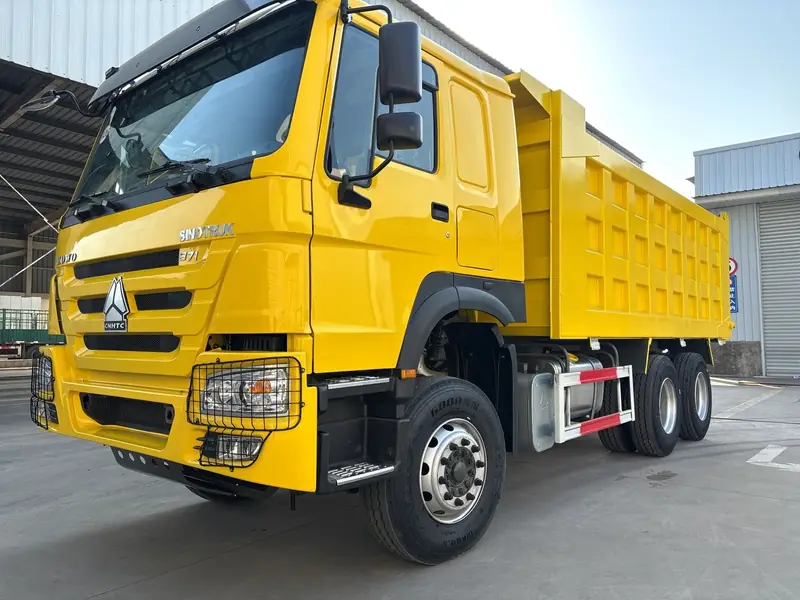
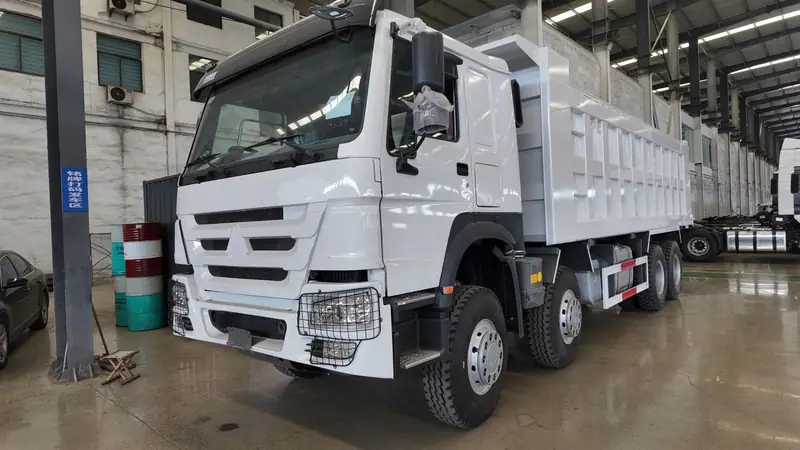
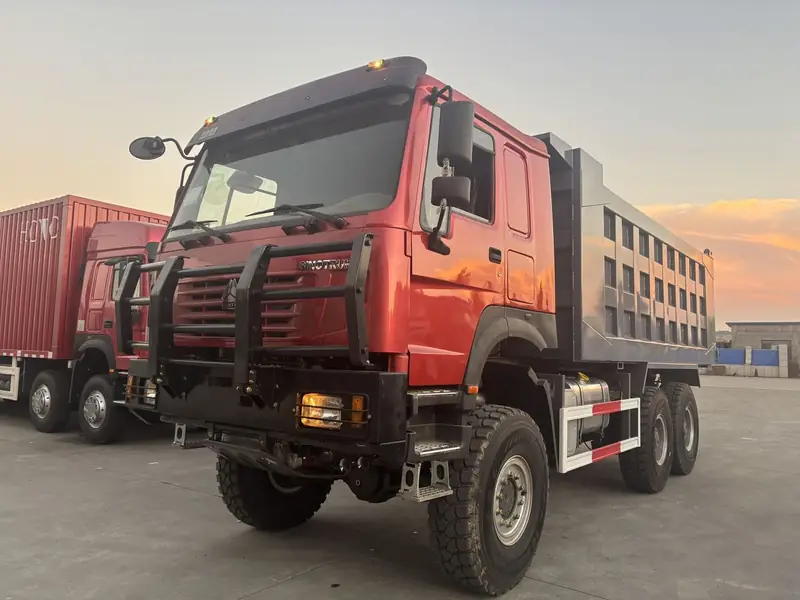
Steel or aluminium body for a HOWO or SHACMAN tipper?
Compare two complete body designs by cargo, loading method, finished weight and local repair support. Confirm availability for the quoted chassis.
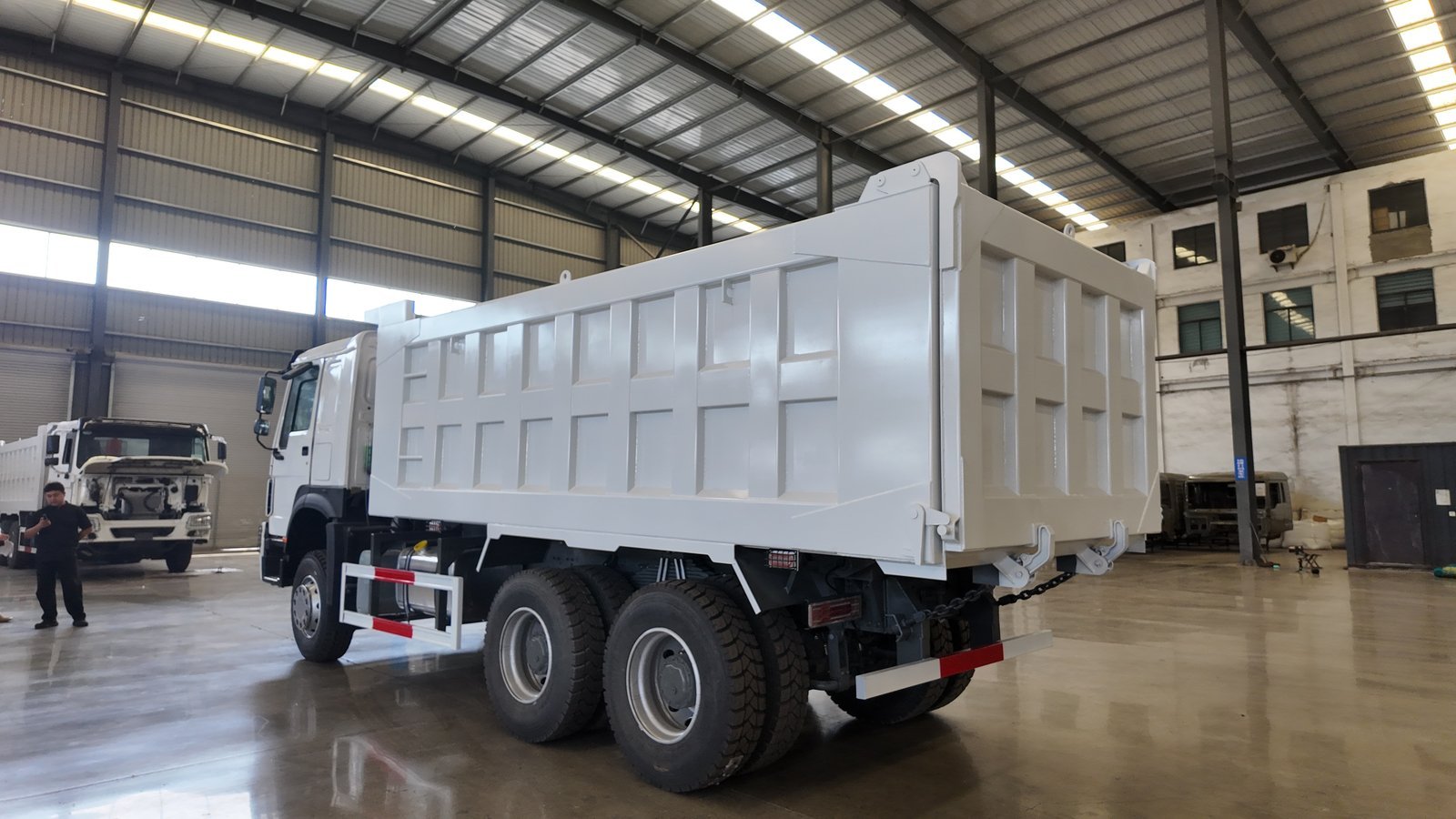
Choose a steel or aluminium tipper body by comparing the cargo, loading method, finished weight and repair support for two complete designs. A lighter body can leave more weight allowance for cargo, but the useful saving depends on the whole truck and its permitted operating limits. The material name alone does not establish durability or legal payload.
For a HOWO or SHACMAN dump truck, ask which body constructions are available for the proposed chassis. This article explains a purchasing decision; it does not confirm that an aluminium body is available for every R Trucks model. Get the material, design, mounting and application accepted in writing before ordering.
Start with the material you actually carry
Describe the cargo beyond its trade name. Sand, graded aggregate, large rock and mixed demolition material create different loading and wear questions. Tell the body builder about the largest pieces, sharp edges, expected loading height and the equipment used to fill the truck. Include occasional difficult loads, not only the easiest regular job.
Request written suitability for that cargo and loading method. A body selected for processed aggregate should not be assumed suitable for uncontrolled demolition debris. Equally, an aluminium body should not be dismissed from its material name without considering its actual design. Compare the proposed floor, sides, reinforcement and protective arrangements together.
Ask what the builder excludes. Restrictions on loading practices, material temperature or abrasive cargo can change whether an otherwise attractive offer suits the business. Record those restrictions beside the price rather than discovering them after delivery. For steel options, use our separate floor steel and thickness guide to examine the grade and plate specification.
Compare complete weights, not metal density
Ask for the empty weight of each complete vehicle in the same condition. Keep fuel level, driver allowance, spare wheels, tools, liners, covers and other equipment consistent. A bare body weight is useful for understanding the design, but it cannot replace the finished vehicle weight needed to plan an operating load.
Steel designs vary too. SSAB describes a Thompsons tipper-body project that uses specified wear-resistant and structural steels to reduce body weight. It illustrates why a modern engineered steel body should be compared with another complete design, rather than with an assumed heavy steel baseline. The manufacturer's reported outcome applies to that project, not automatically to a HOWO or SHACMAN order.
Use a verified finished weight and the applicable vehicle, axle, tyre and route limits when checking the proposed cargo. The lowest applicable limit can constrain the operation. Body volume does not establish legal carrying weight. Our payload and weighbridge guide explains the records to request without assigning a universal payload to a truck family.
Treat repair support as part of the specification
Give a local body repairer the proposed material and construction details. Ask whether the workshop can assess and repair that design, which procedures and consumables it needs, and whether compatible replacement sections can be obtained. Familiarity with ordinary steel repair does not demonstrate capability for every alloy, wear plate or joining method.
Ask the body supplier how repairs affect the structure and warranty. Request its repair guidance, including when an authorised assessment is required. Avoid accepting an informal promise that any local welder can repair the body. The important purchasing evidence is a credible support route for the specified construction, not a general claim that one metal is easy to repair.
For a refurbished truck, establish the condition of the actual body as well as the chassis. Request documented findings on previous repairs, damage and remaining serviceability. A newly painted surface cannot establish the condition underneath. Agree which issues must be resolved before release and which photographs or inspection records will demonstrate the agreed work.
Include liners, covers and gates in both offers
A comparison can become misleading when one offer includes a liner, stronger tailgate, cover system and mounting equipment while the other covers only a basic shell. Put the same requested equipment beside both quotations and identify differences explicitly. Compare the completed configuration rather than adding an assumed accessory cost later.
MAC Trailer's steel dump-trailer literature describes steel constructions with aluminium components available in a lighter package. This is a trailer example, not an R Trucks specification. It shows why a label such as steel body can still describe a combination of materials across the finished assembly.
If a liner is proposed, ask the supplier to identify its material, mounting, cargo limitations and effect on empty weight. Confirm that the gate and cover suit the actual body geometry. These decisions interact, but one accessory should not be presented as proof that an unsuitable body has become appropriate. See our liner selection guide for the questions to separate.
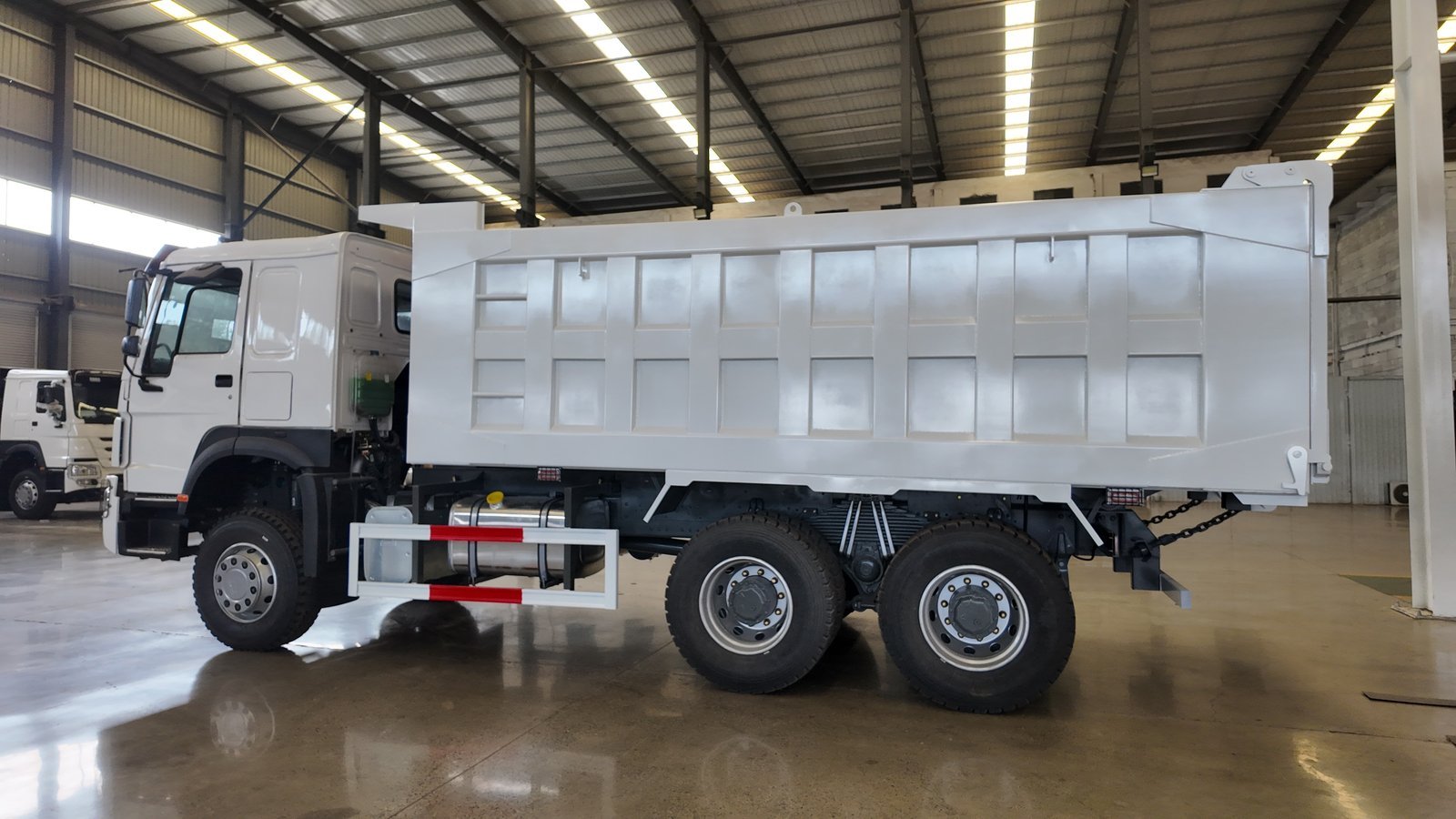
Compare the cost of the proposed operation
Request dated prices for the same truck, body size, preparation level and trade basis. Keep any body upgrade separate so the buyer can see what changed. Do not assume that aluminium is always more expensive, or that every steel design costs less. The actual quotation and available construction determine the comparison.
Use your own documented operating assumptions when considering a price difference. Ask how much usable cargo allowance each completed truck provides, whether that allowance can be used on the intended route, and what local repair support would cost. If the job pays by volume and the body fills before reaching the weight limit, a weight saving may have a different value than on a weight-limited aggregate contract.
Avoid invented payback periods. Without the actual purchase difference, trip pattern, legal loading allowance and repair assumptions, a claim that a body pays for itself within a certain number of months is unsupported. Compare uncertain inputs as scenarios and keep them separate from confirmed quotation figures.
What to ask before confirming the body
- Describe the normal cargo and the most demanding occasional load.
- Obtain the full material, construction and mounting specification.
- Compare finished vehicle weights with equivalent equipment included.
- Confirm applicable loading limits with the responsible local adviser.
- Identify a local repair route for the proposed construction.
- Record exclusions, inspection evidence and warranty terms in writing.
Download the truck buying checklist and send R Trucks the truck type, quantity, destination and body requirements. We can check the proposed configuration and provide a written quotation for the available build.