Published by Ruidite Machinery
Choose the tailgate around the material, unloading space and operating method of the completed truck. A conventional top-hinged gate, a side-opening barn door and a high-lift gate offer different discharge clearances and handling requirements. Ask the body builder to confirm the proposed design in writing. An air-operated latch alone does not mean the entire gate lifts clear of the load.
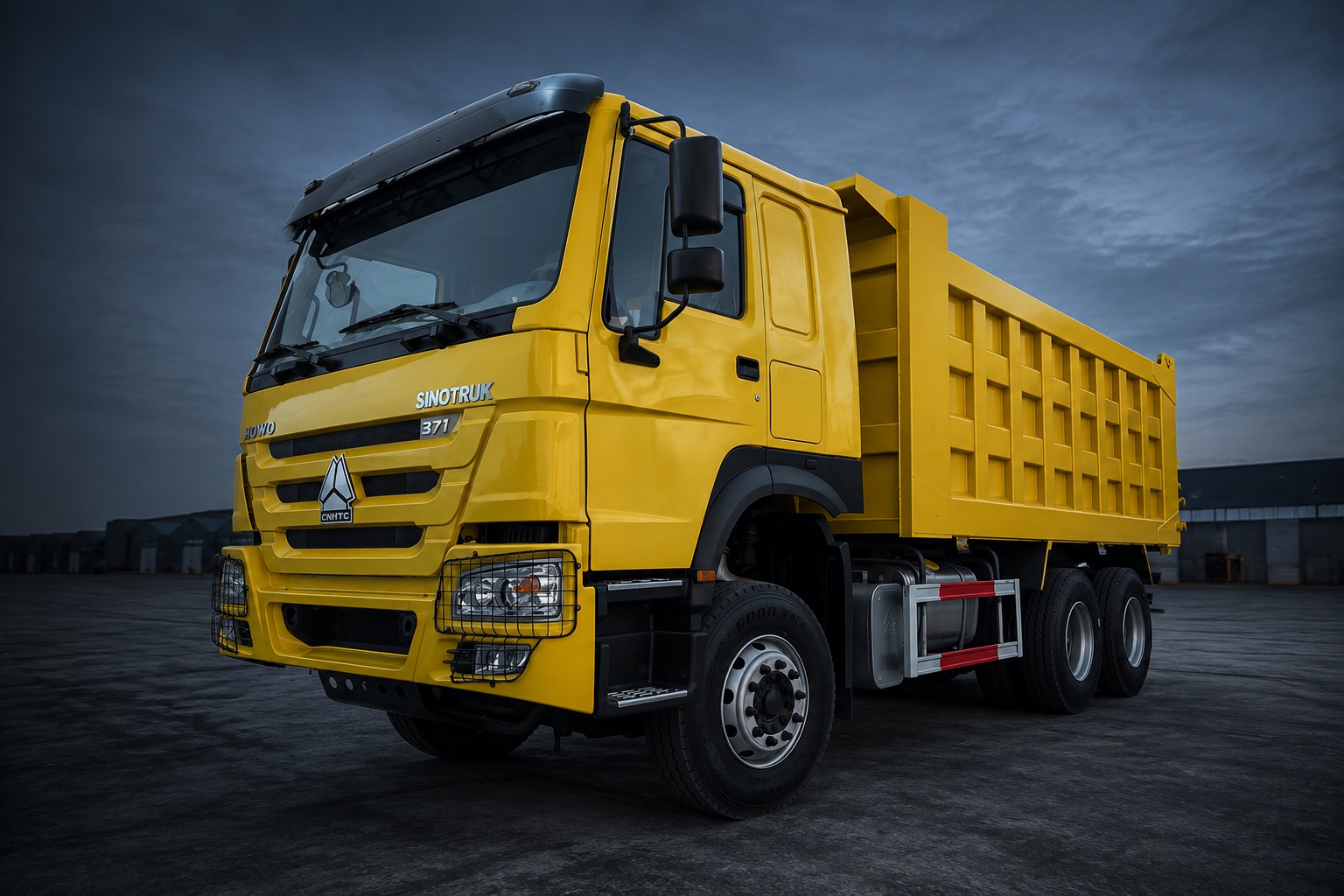
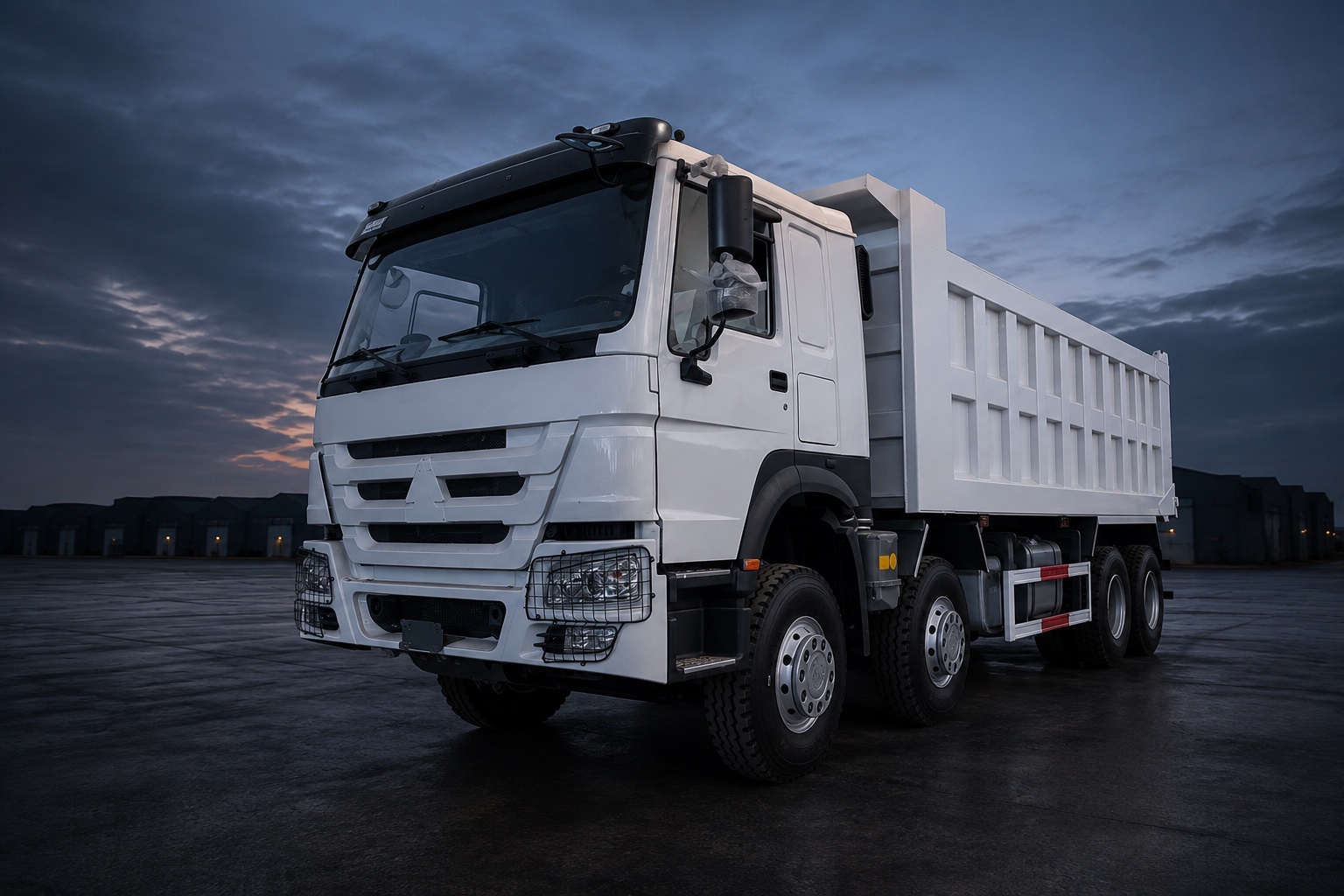
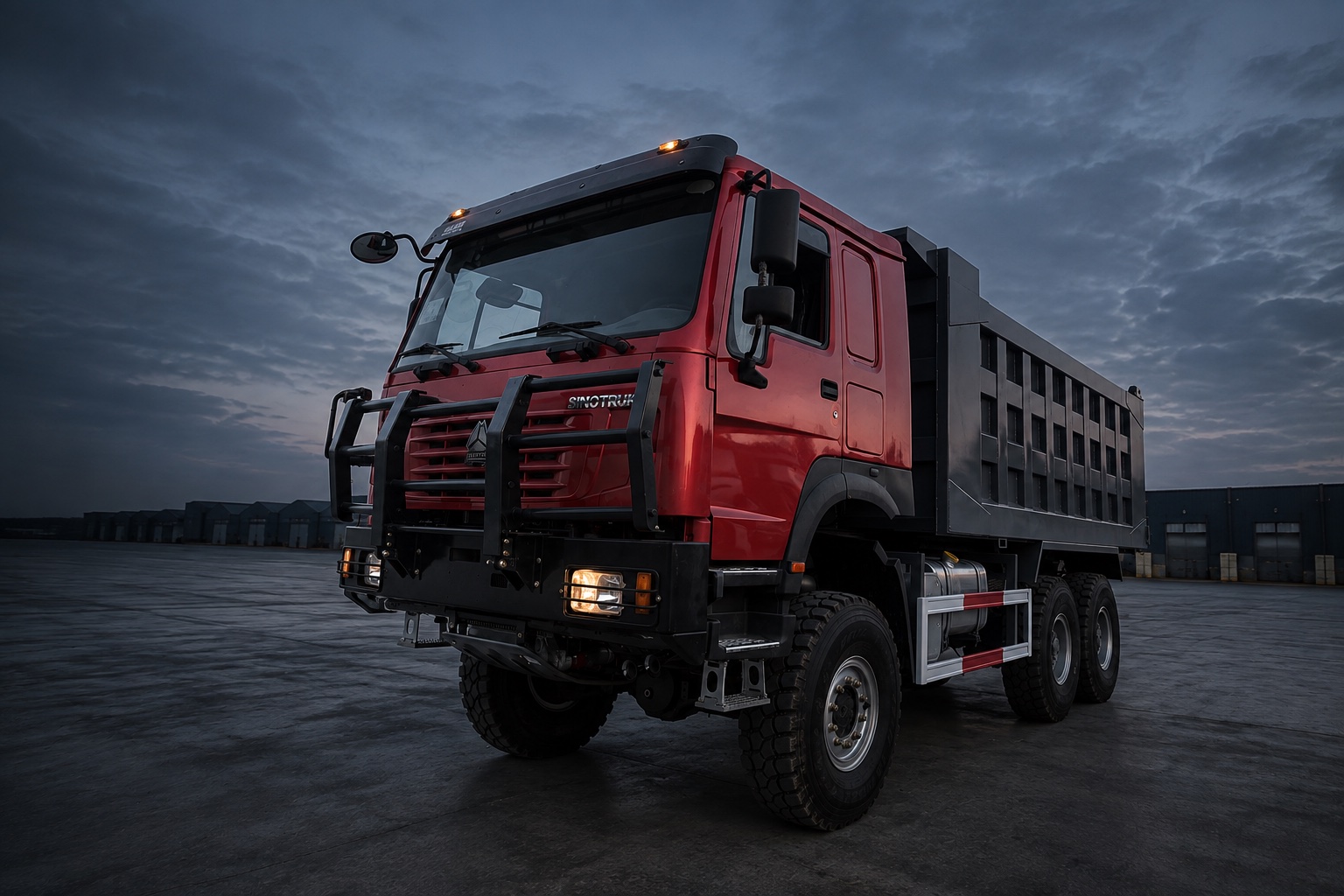
When comparing a HOWO or SHACMAN dump truck, specify the tailgate alongside the chassis, body and lifting equipment. Photographs of a similar truck are useful references, but they do not establish which hinges, locks or controls your order includes.
Start with what must pass through the opening
Describe the actual cargo before choosing a gate. Include the largest expected pieces, irregular shapes and whether the material is wet or sticky. Sand and crushed aggregate present a different discharge problem from demolition debris or tree stumps. Give the supplier representative photographs and explain whether you discharge into a stockpile, a receiving hopper or another restricted area.
An Australian operator's question about high-lifting tailgates concerned rock, demolition material and stumps. A separate discussion about closing a dump-truck tailgate describes a gate lowered for bulky cargo that the operator then struggled to close. These are individual experiences on other equipment, but they identify two useful buying questions: will the load clear, and how will the operator close and secure the gate afterward?
Ask for the usable opening dimensions and a drawing of the gate through its travel. Compare that opening with the cargo and unloading location. Body volume alone cannot answer this question; use the dump-body size guide for the separate capacity discussion.
Identify the gate and the mechanism separately
A top-hinged gate swings about hinges near its upper edge. Its available opening during discharge depends on the geometry, any restraints and the load. Ask how the offered system releases, how it closes and whether controlled spreading is an approved use. Do not assume a chain arrangement shown on another truck is suitable for this body.
A barn-door arrangement swings sideways. It needs room beside the truck and an approved means of retaining the open door. Establish whether the proposal uses one door or two, how the operator accesses the latches and how the door is secured for travel. Include the unloading site's restrictions in that review.
A high-lift arrangement moves the gate upward to increase discharge clearance. Request the actual movement drawing, lifting mechanism and fully open dimensions. The label alone does not establish clearance for every piece of cargo. Confirm how the gate interacts with the tarp, rear lights, guards and any towing equipment.
Godwin's 50 Series brochure lists barn doors, air tailgates and high-lift tailgates separately among its options. This illustrates why a buyer should specify the gate movement separately from its actuation. It is a US manufacturer's product information, not evidence that those parts fit a HOWO or SHACMAN, or that Ruidite stocks every option.
Check the controls, closure and local support
Ask what the cab control actually does. Does it release a latch, move the gate, or command several functions in sequence? Obtain the body builder's operating instructions, control labels and explanation of any interlocks or position indicators. A switch photograph cannot establish the whole system.
For powered equipment, request the component identities and the relevant air, hydraulic or electrical diagram. Confirm the specified operating conditions through the manufacturer rather than borrowing pressure settings from an online discussion. Your workshop should know which replacement seals, valves, pins and bushes it will need to source.
J&J's manufacturer troubleshooting information treats stiff hinges, material leakage, locking linkage and air-cylinder leakage as distinct tailgate problems. Those examples support checking several functions during acceptance. Its adjustment procedures and maintenance intervals apply to its equipment; use the supplied manual for your truck's body.
For a refurbished truck, establish whether the gate and locking equipment are retained, repaired or replaced. Ask for photographs of hinge areas, latch engagement and previous repairs. Fresh paint does not document pin condition or prove that both sides lock correctly.
Compare the complete installation before approving it
Request the completed vehicle's dimensions and weight with the proposed gate installed. Added equipment contributes to tare mass and may change the rear envelope. Check the resulting vehicle against the intended route, loading site and applicable local requirements. Have the supplier explain any effects on the body structure or hoist installation.
A hypothetical buyer hauling aggregate on most days and occasional bulky debris should describe both duties at quotation stage. Comparing the gate only against the usual aggregate load could leave the occasional job unresolved. Conversely, specifying a more complex mechanism without a workshop support plan can create an avoidable maintenance question. This example describes a decision process, not a promised operating result.
Agree which material sizes and operating conditions the builder approves. Request a separate quotation for any alternative gate so its construction, controls and preparation scope remain clear. Do not treat an unpriced reference photograph as an included upgrade.
Put the acceptance evidence in the order
Before shipment, agree a demonstration by competent personnel following the equipment instructions and site procedures. Keep everyone clear of moving gates and discharge areas. An unloaded demonstration confirms only the functions observed under those conditions; it does not prove performance with every cargo.
Use a written acceptance checklist:
- Identify the actual truck, body and tailgate design supplied.
- Compare the opening dimensions and movement with the approved drawing.
- Show the controls, hinge areas, retainers and latch engagement clearly.
- Record the conditions of opening, closing and locking demonstrations.
- Obtain the operating manual, component references and maintenance instructions.
- List unresolved defects or missing evidence before buyer approval.
Do not ask someone to stand behind a loaded gate, release a jam or improvise a lifting method for a better video. If safe evidence is unavailable, keep that acceptance point open and arrange an appropriate inspection. The remote video inspection guide explains how to record observations and unresolved checks.
Ruidite is a factory-direct supplier and exporter of new, remanufactured and refurbished HOWO and SHACMAN trucks. Contact Ruidite with your cargo, truck quantity, destination port and unloading conditions. Ask for the proposed tailgate drawing and included equipment before confirming the order.
Related trucks
Ready to import with confidence?
Tell us what you need. We'll respond within one business day with specifications, EXW or CIF pricing, and document support for your market.
Request a Quote