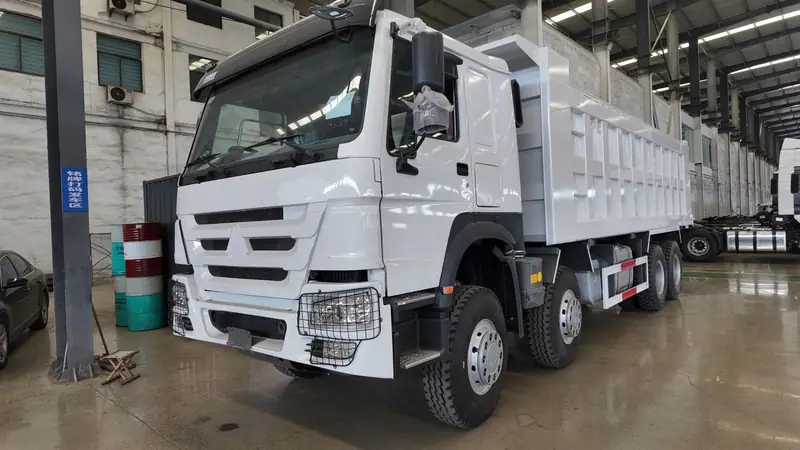
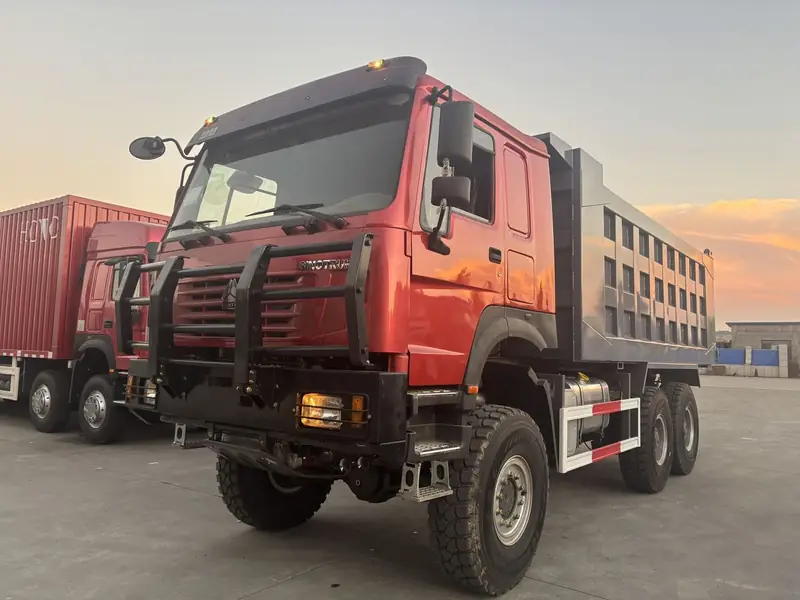
Which tarp suits a HOWO or SHACMAN dump truck?
Compare manual and electric tarp requirements, fabric suitability, body clearances and the documents to check before shipment.
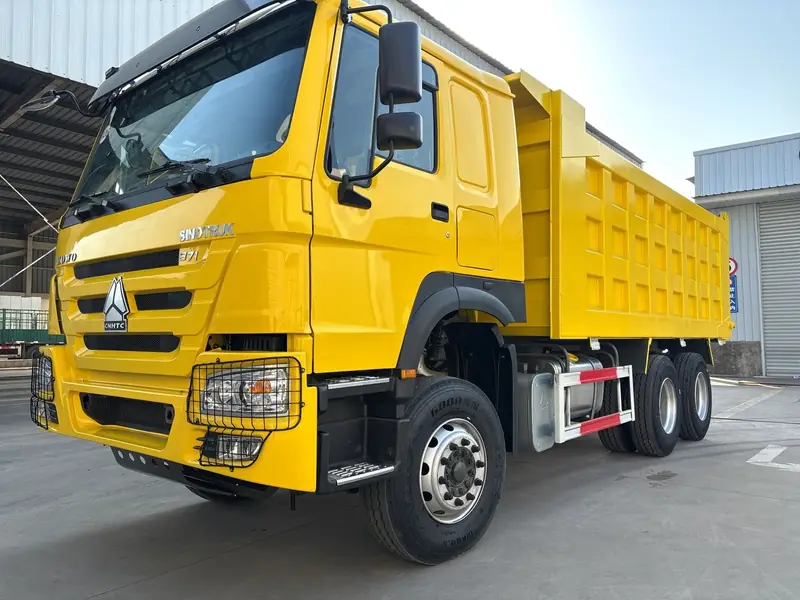
Choose a HOWO or SHACMAN dump truck tarp by the cargo, body dimensions and safe operating position. An electric system can suit frequent covering cycles when its installation and electrical supply are confirmed. A manual system can suit simpler work, provided the operator can use it safely from a suitable position. Specify the complete mechanism and fabric before ordering.
When comparing R Trucks dump trucks, include the cover in the body specification rather than adding an unspecified tarp to the quotation. R Trucks supplies and exports new, remanufactured and refurbished trucks. Tarp availability and compatibility need confirmation for the particular truck; neither the HOWO nor SHACMAN badge establishes which system is fitted.
What job must the cover do?
Start with the actual material. Sand, aggregate, wet soil and hot asphalt raise different questions about fabric, containment and cleaning. Give the supplier the cargo description and expected loading method. If temperature matters, request written suitability for that application from the fabric supplier. Do not assume an ordinary mesh cover is suitable for hot material or provides rain protection.
A cover also needs a defined loading profile. Record the intended fill level and whether sharp pieces could project above the body sides. Ask how the specified system accommodates that profile without dragging across protruding material. A tarp cannot turn an overloaded or poorly contained load into an acceptable one. Loading limits and secure transport remain separate requirements.
For example, Pennsylvania procurement questions specifically asked about controllers and fabric suitability for hot asphalt. The official procurement answers illustrate why these details belong in a purchase specification. They are requirements for that procurement, not temperature ratings or legal rules for trucks exported elsewhere.
When does electric operation make sense?
Electric operation deserves consideration when covering and uncovering happen repeatedly during the working day. Ask where the controls are mounted and whether the operator can observe the moving equipment from the approved operating position. Request a demonstration of the supplied system, including its normal stopping procedure and any emergency arrangements described by the manufacturer.
Do not approve an electric kit from motor power alone. The installer must confirm the truck supply, motor voltage, wiring arrangement, circuit protection and control compatibility. A specification borrowed from another truck or trailer may be unsuitable. Require the electrical drawing and the installation instructions for the exact system instead of selecting cable sizes or protection devices from an internet example.
Electric equipment adds service items to the purchase decision. Ask which motor, switch, relay or controller is fitted, how parts are identified and where replacements can be obtained in the destination market. Confirm what happens if power is unavailable. Any recovery procedure must come from the system manufacturer; improvising around a stalled mechanism can create further damage or injury.
When might a manual system suit the work?
Manual systems vary. A hand crank and a spring assisted pull system are different mechanisms, with different instructions and maintenance needs. Ask the seller to identify the actual design rather than treating manual as a complete description. Request photographs showing its controls, securing points and the operator's normal position.
A buyer covering relatively few loads may prefer a simpler mechanism, but frequency alone does not settle the choice. Check access, pulling or cranking effort, ground conditions and the space available around the truck. If normal operation would require climbing onto the load, reconsider the arrangement before accepting it. Do not plan to solve poor access with an improvised platform.
Compare complete installed quotations. A cheaper mechanism can still require mounting work, access provisions, freight space or replacement fabric. Avoid assuming that manual operation always has the lowest lifetime cost. Without local labour costs, operating cycles and parts prices, that conclusion cannot be supported. Ask for the actual included components and exclusions in writing.
Which measurements and clearances matter?
Provide the body length and width, side height, front bulkhead arrangement and tailgate type. Request a drawing showing mounting positions and the space occupied by the cover when stored. Arms, rollers and brackets need clearance through their movement; the installer should confirm this against the completed body rather than a generic chassis drawing.
Check interaction with loading and tipping. Ask where the cover must be positioned during each operation, using the supplied instructions. Confirm that the loader can work without striking the stored mechanism and that the tailgate can operate without interference. If equipment is removed for shipping, require an identified parts list and installation responsibility at destination.
Replacement fabric dimensions also matter. Record the supplier's part number and measurement method, including attachment details. Body width alone may not define replacement size. Photographs of the installed assembly and its identification label can make later parts enquiries more precise, especially when purchasing a refurbished truck with an existing system.
What should you verify before shipment?
Use the purchase specification to create a short acceptance record:
- Confirm the system manufacturer, model, operating method and fabric identification.
- Compare the installed mounting positions and clearances with the approved drawing.
- Obtain the instructions, electrical drawing where applicable and replacement parts references.
- Request a continuous operating video from the approved position, with the body and moving mechanism visible.
- Check fabric condition, attachment points and visible interference without entering the mechanism's movement area.
- Record any transport removal, packed components and destination installation work before dispatch.
Keep maintenance separate from acceptance observation. Springs and moving assemblies can contain stored energy. The Roll Rite document library separates installation instructions from procedures needed before servicing particular systems. That distinction is useful when requesting documents, but those procedures apply to the identified Roll Rite equipment. They do not establish a repair method for an unidentified tarp assembly.
What should you send with your enquiry?
Send the truck model or listing, destination, cargo, body measurements and expected covering cycles. Include photographs or drawings if specifying a replacement on an existing body. State whether you prefer electric or manual operation and ask the supplier to confirm suitability, included equipment and any unresolved installation work.
Review the dump truck tailgate guide alongside the cover specification so both mechanisms can be checked together. Then contact R Trucks with your working requirements for a configuration enquiry. Ask for the proposed tarp system and its supporting documents before approving the truck quotation.