Published by Ruidite Machinery
A HOWO or SHACMAN sleeper can have cooling with the engine off only if the supplied truck has a suitable independent cooling system and power supply. A sleeper berth, dashboard A/C switch or inverter does not establish that capability. Ask for the actual parking-cooler specification, battery arrangement, installation approval and a documented acceptance check before ordering.
When comparing HOWO and SHACMAN tractor trucks, state whether the driver will rest in the cab between shifts, wait for loading during the day or return to accommodation each night. Those are different cooling duties. Put the engine-off requirement in the enquiry rather than assuming that a sleeper-cab quotation includes it.
Separate road air conditioning from parked cooling
The first purchase question is what drives the cooling equipment. Ask the supplier to identify the road A/C system and any independent parked system separately. A fan moving air through sleeper vents is not evidence that refrigeration continues after the main engine stops. Have the supplier explain the controls and power source on the offered truck.
This distinction appears in real operator questions. A Reddit discussion asks how sleeper A/C and appliances work with the truck switched off. An independent TruckersReport discussion describes a truck whose front A/C cooled while its sleeper remained warm. These concern other makes. They establish useful questions to ask, rather than a diagnosis or specification for HOWO or SHACMAN.
Before comparing options, decide whether you need to repair an existing road A/C fault or add engine-off cooling. Installing an auxiliary unit does not resolve an unidentified defect in the original system. For a refurbished truck, request separate inspection findings for each installed cooling system and identify equipment that will be reused.
Specify the cooling duty before the equipment
Describe the destination and the expected parking conditions. Include daytime or overnight use, expected ambient temperature, time in direct sun, number of occupants and required rest duration. State whether the engine must remain off throughout that period. A quotation for a short loading wait should not silently become a promise of all-night cooling.
Ask what conditions apply to any stated runtime. Battery condition, initial charge, other electrical loads and the cooler's demand belong in that answer. Also ask whether the claim assumes that the cab has already been cooled while driving. Record any conditions that were not tested rather than treating a catalogue maximum as a guarantee at destination.
Dometic's parking-cooler operating manual explains that achievable temperature depends on ambient temperature and cooling capacity, and describes battery monitoring. Those are reasons to request operating limits and power protection for the selected system. The manual does not establish that either listed Dometic unit fits a HOWO or SHACMAN cab.
Compare complete power arrangements
The US EPA overview of truck idle-reduction technologies distinguishes auxiliary power units, battery air conditioning, thermal storage and electrified parking. It also distinguishes fuel-operated heaters, which supply heat. These categories help frame an enquiry; US verification status does not establish local approval or compatibility with your truck.
Ask the supplier which arrangement is proposed and what it includes. For battery cooling, request the battery type, usable energy basis, charging method, protection settings and restart reserve. For a separate powered unit, request its installation and service requirements. For shore power, confirm that suitable power is actually available at the planned parking location.
An inverter converts electrical power; it does not create additional stored energy. Do not compare an inverter rating directly with a cooling-capacity figure. Ask a competent installer to provide the complete electrical load assessment, including wiring, protection and the charging equipment. A household appliance and a loose extension lead are not a documented truck installation.
Check cab fit and service access
The proposed unit must suit the actual cab, not simply the brand badge. Send the cab model, chassis identification and photographs of the roof, sleeper and existing equipment. Ask for written confirmation of mounting suitability, clearance, sealing and any effect on the cab's movement or service access.
Keep the distinction between an available option and a confirmed order specification. Ruidite's day cab and sleeper cab guide helps define the broader cab requirement. A berth photograph still cannot confirm which cooling equipment, batteries or controls are included in the price.
For an imported installation, ask who can service it at destination. Request component identification, manuals, filters or other service items where applicable, and warranty responsibility for both parts and fitting. A local technician needs more than a photograph of an unlabelled roof unit. Resolve missing documentation before shipment.
Agree a useful acceptance check
Define the check with the supplier and qualified installer before payment. Record the truck, cooler and batteries being tested, the starting conditions, outside conditions, elapsed time, measured cabin temperatures and any shutdown or warning. State whether the main engine remained off and which other electrical loads were operating.
A brief video showing a cold outlet proves only that observation under those conditions. It cannot establish the required rest-period runtime. If a full representative check cannot be completed before shipment, record the limitation and agree the destination commissioning work. Do not label an untested hot-weather duty as verified.
Consider a hypothetical buyer who needs daytime cooling during a six-hour port wait. The useful request is a system proposal assessed for that duty, followed by an agreed check and clear exclusions. It is not an assumption that every sleeper truck must manage six hours because another driver's truck did. No runtime is promised by this example.
Use this purchase checklist:
- Identify the road A/C and independent parking cooler separately.
- Describe the parking duration, climate and exposure to sun.
- Obtain the complete power and charging specification.
- Confirm cab mounting, sealing and service access.
- Agree acceptance conditions and record untested requirements.
- Identify destination support, manuals and warranty responsibilities.
Ruidite is a factory-direct supplier and exporter of new, remanufactured and refurbished HOWO and SHACMAN trucks. Send your enquiry with the destination, quantity, cab model and required engine-off cooling duty. Request an itemised proposal that states the equipment included, the evidence available and any compatibility checks still required.
Related trucks
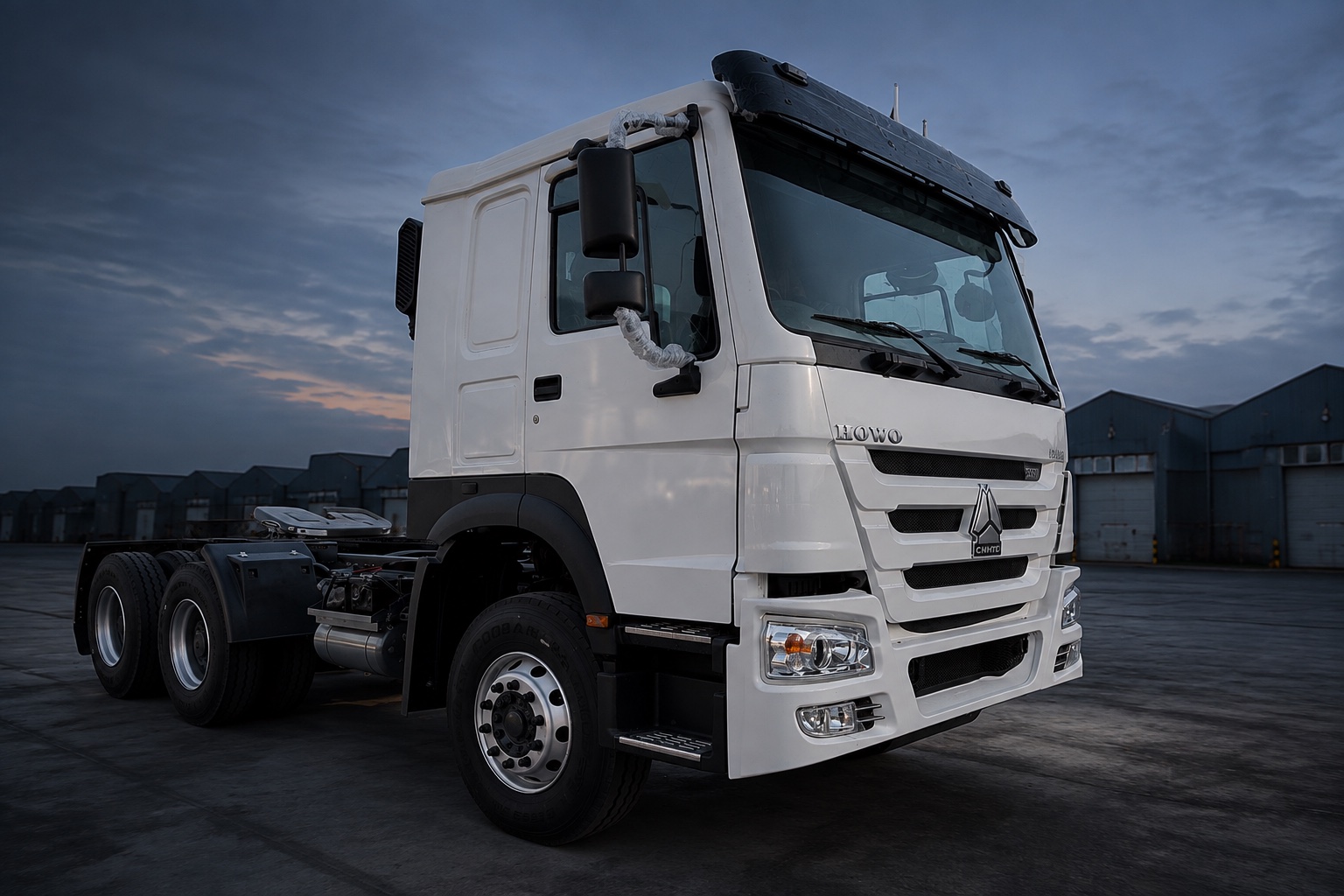
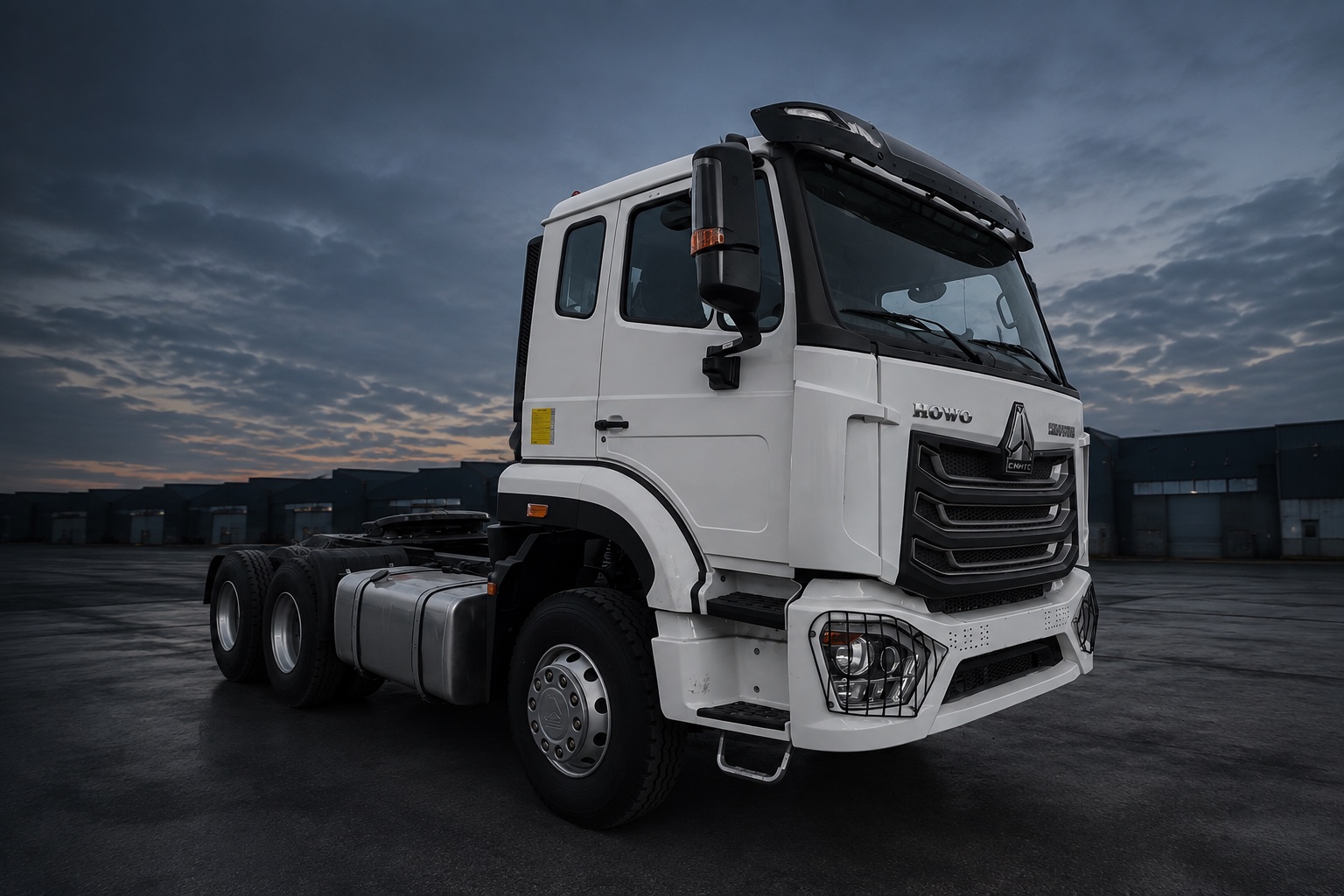
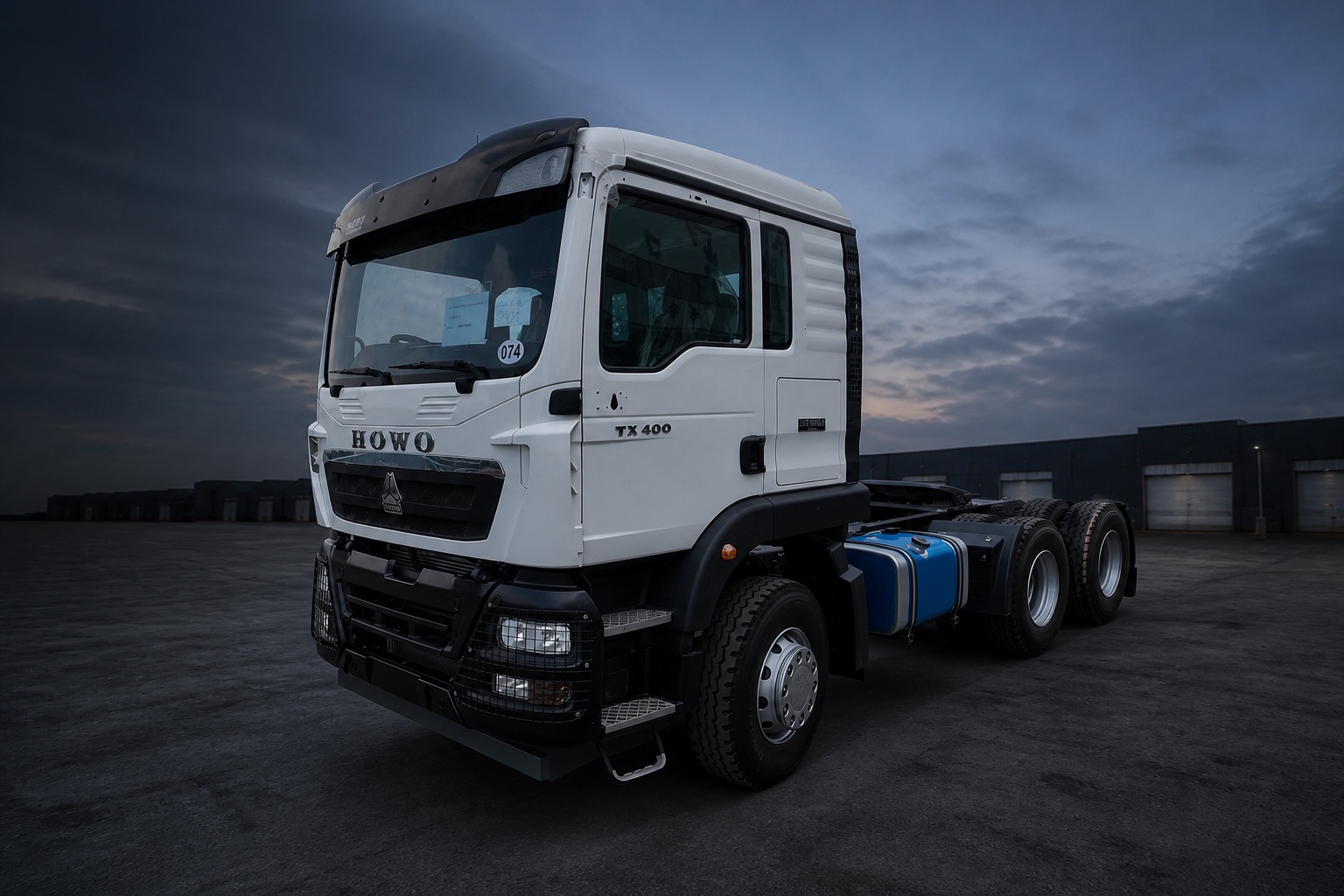
Ready to import with confidence?
Tell us what you need. We'll respond within one business day with specifications, EXW or CIF pricing, and document support for your market.
Request a Quote