Should you test used HOWO or SHACMAN engine oil?
Learn what an engine oil report can establish before purchase, why fresh oil needs context and which sampling records to request.
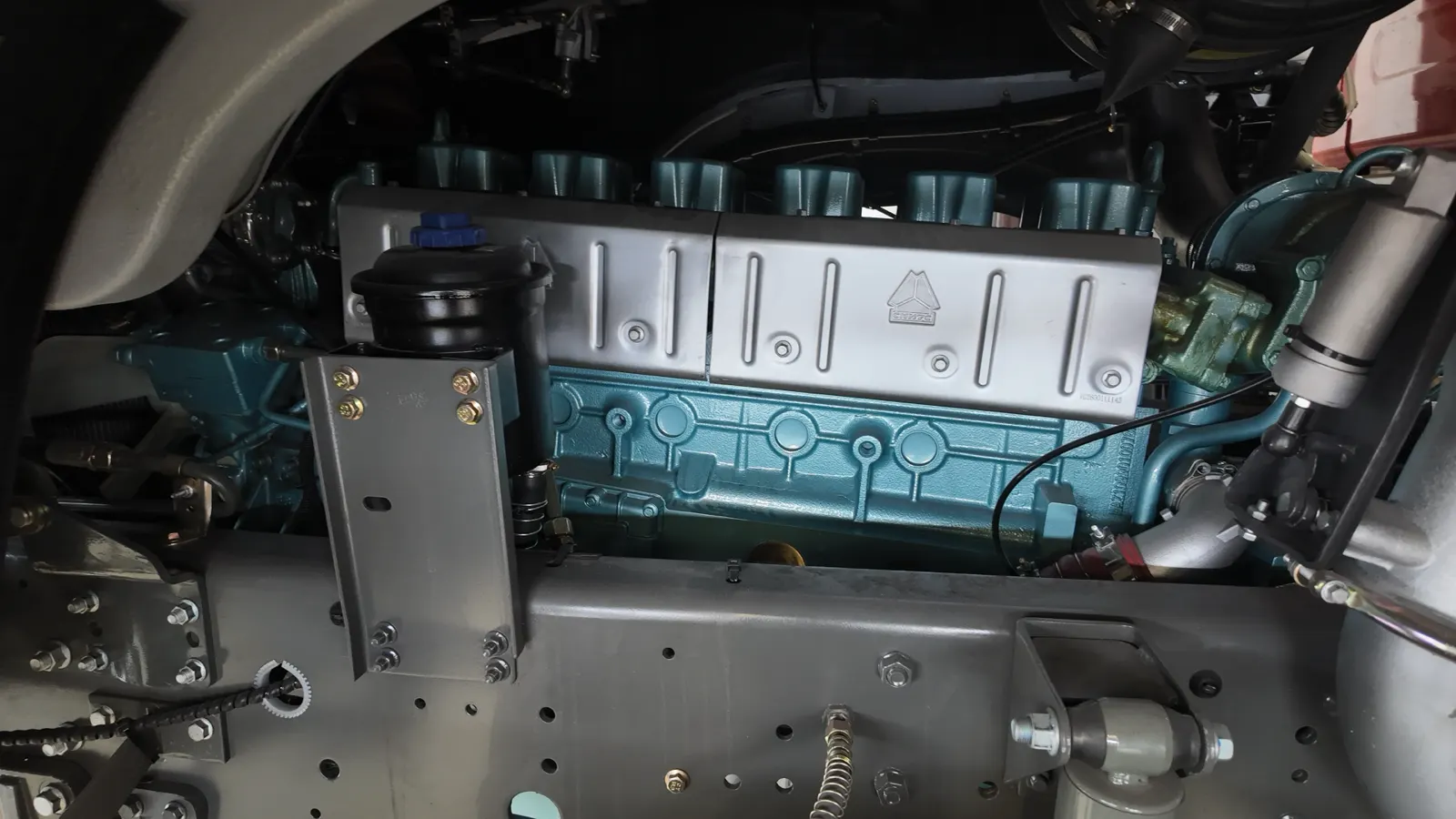
Oil analysis can help assess a used HOWO or SHACMAN engine before purchase, provided the sample belongs to the offered truck and its service history is known. Use it alongside a professional inspection. A single reassuring report cannot certify an overhaul or predict how much working life remains.
When comparing used and refurbished HOWO trucks, ask when the engine oil was changed before arranging a test. Sampling timing matters particularly when the agreed preparation includes servicing. Plan the evidence you need before the truck is prepared, while keeping necessary maintenance on schedule.
What an oil report can tell a buyer
A laboratory examines the sample for the tests included in its service. These may cover wear metals, viscosity and contamination. Confirm the actual test package rather than assuming every report includes every measurement.
Perkins explains oil sampling as a way to assess oil and engine condition, with accurate operating information and trends supporting interpretation. Its guidance is a useful explanation of the method, not a set of acceptance limits for a HOWO or SHACMAN engine.
Give the laboratory the installed engine's identity. A truck's brand or cab badge is not enough to select the correct comparison. Ask a qualified technician to review the report with the physical inspection and any available operating records. If the laboratory flags a result, request an explanation of what it establishes, what remains uncertain and which further checks are appropriate.
Why a recent oil change needs explanation
A fresh fill has a different history from oil that has accumulated normal service use. That limits direct comparison between samples. Record the date and distance or operating hours since the change, along with any oil added afterwards. If that information is unavailable, mark it unknown rather than estimating it from the truck's appearance.
Blackstone Laboratories' sampling guidance explains the value of individual-engine trends and shows how substantial oil additions can dilute measured wear metals. It also discusses how recent engine work affects interpretation. These are reasons to supply context to the analyst; they do not establish a universal waiting period or pass mark for another engine.
Recently changed oil does not, by itself, prove that a seller is concealing a fault. It may reflect ordinary maintenance or agreed preparation. Ask for the service record and explain that you want the laboratory to understand the sample. Do not ask anyone to postpone necessary servicing or operate a suspect engine just to accumulate testing hours.
Match the sample to the offered truck
Before paying for analysis, agree how the sample will be identified and who will collect it. The inspection record should connect the truck, installed engine, sample bottle and final laboratory report. A report from another similar-looking truck is not evidence about your proposed purchase.
Request a complete report rather than a cropped photograph of a favourable comment. Check that the sample reference, collection date and engine details agree with the inspection documents. With the seller's permission, arrange for the laboratory or independent inspector to clarify questions directly. Establish any report-sharing arrangements before the sample is sent.
Use the existing service and refurbishment records guide to connect the test with the written work scope. Keep these records together so that a replacement engine, later repair or further oil change does not become separated from the result used in your decision.
Arrange collection with the technician and laboratory
Have a competent technician follow the laboratory's sampling instructions and the installed engine's applicable procedures. Do not improvise a collection method from an internet comment. The truck must be handled safely, and the technician should choose the appropriate sampling point and conditions.
Bureau Veritas' sampling guidance explains that contamination introduced during collection can distort the result and that consistent collection supports comparison over time. Ask the laboratory which container, identification details and delivery arrangements it requires. Confirm who pays for collection, analysis and any follow-up before commissioning the work.
The information supplied with the sample should include:
- Truck identification and the installed engine model and serial number where available.
- Sample date, collection point and the person or organisation collecting it.
- Recorded engine distance or hours, with any uncertainty stated.
- Oil specification and known distance or hours on that oil.
- Oil additions, recent repairs and the date of any claimed overhaul.
- Earlier reports, relevant symptoms and the buyer's specific question.
Compare evidence before comparing headline results
Consider a hypothetical comparison between two used trucks. Truck A has one reassuring report, but neither the time on its oil nor its recent repair history is known. Truck B has several reports tied to its engine, with collection dates and service records. This example does not establish which truck is mechanically better. It shows why the completeness of the evidence affects how confidently an inspector can interpret it.
For Truck A, the next step could be clarification from the seller and laboratory, followed by additional inspection recommended by the technician. For Truck B, the inspector still needs to check whether the records cover the current engine and whether repairs or changes in use interrupt the comparison. More paperwork is useful only when it is relevant and traceable.
If a report raises a concern, resolve that concern before treating the engine as acceptable. Ask for the diagnosis, any agreed remedial work and the evidence needed afterwards. Avoid negotiating a discount around an unexplained result as though its repair cost were already known.
Agree what the report means for your purchase
Write down whether oil analysis is included in the inspection scope, when the result must be available and who reviews it. Keep the laboratory findings separate from the seller's description of refurbishment. Neither a clean-looking engine nor one test result proves that every item in an overhaul scope was completed.
R Trucks is a factory-direct supplier and exporter of new, remanufactured and refurbished HOWO and SHACMAN trucks. Send R Trucks the model, required condition and destination, together with any inspection or oil-analysis requirement, so the available evidence and proposed preparation scope can be discussed for the offered truck.