Does a HOWO tipper need a body up alarm?
Check body position sensing, cab warnings and inspection evidence before ordering a HOWO or SHACMAN tipper.
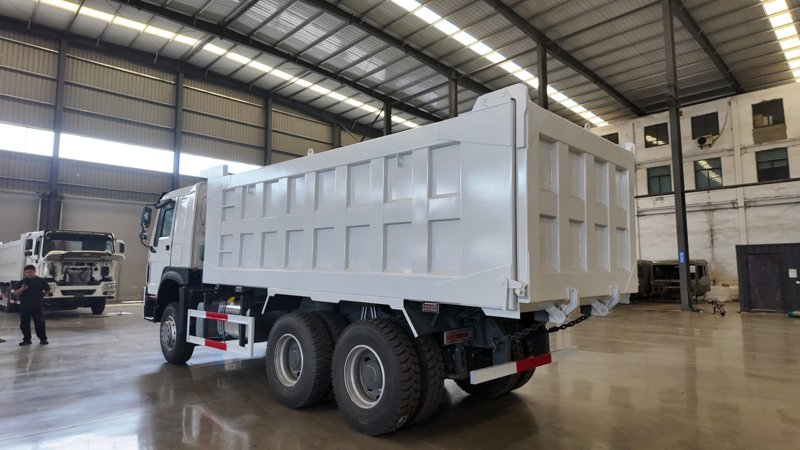
A HOWO tipper buyer should include a working body position warning in the purchase specification, with an audible alert and a clear cab indicator. Confirm the actual installation and its test evidence. The HOWO badge, a PTO switch or a successful lifting video does not establish that this warning is fitted or working.
When comparing HOWO and SHACMAN dump trucks, ask for the warning equipment alongside the body, hoist and controls. For a refurbished truck, include its inspection and any required repair in the written preparation scope. The same purchasing questions apply to SHACMAN tippers, but the answer must identify the offered vehicle and its components.
What should the warning detect?
A body position warning tells the driver that the tipping body is not fully lowered. A PTO indicator reports a different condition: the state of the power take-off. Ask the supplier to identify each indicator and explain what activates it. A label saying PTO is not evidence of body position detection.
The distinction matters when comparing quotations. One offer might include only the existing PTO lamp, while another includes a sensor on the body and a separate warning in the cab. Those are different scopes. Require the seller to describe the sensor, warning device and installation rather than writing only safety alarm on the equipment list.
Quebec's official regulation on dump body safety devices illustrates the distinction between detecting a raised body and merely providing a control switch. It specifies visual and audible warnings for vehicles within its scope and addresses faults in the body position sensor or its connection. Those are useful specification questions for buyers elsewhere. The Quebec regulation is not an import rule for Kenya, Tanzania or another destination.
Ask what the driver will see and hear
Request a photograph showing the warning from the normal driving position. The photograph should establish which lamp or display refers to the body and whether its label is readable. A close-up of a loose indicator on a workbench proves little about the finished installation.
For the audible warning, ask for a controlled demonstration with the engine running and normal cab conditions. The supplier should explain when it sounds, when it stops and whether the system has any permitted acknowledgement or mute function. Record those details against the manufacturer's instructions. A silent clip cannot establish that a buzzer works.
The same Quebec regulation requires warnings that the driver can readily see and hear, and a warning response to specified sensor or connection faults. Use those points to ask about the proposed equipment's fault response; do not assume every device detects a damaged sensor or disconnected cable. Ask the installer how those functions are checked.
Separate an alarm from an interlock
An alarm gives information to the driver. An interlock changes what the vehicle or tipping system can do under specified conditions. A sales description that mentions a safety system should say which function is actually included. Do not infer a speed limit, automatic lowering function or prevention of vehicle movement from a warning light.
If an interlock is proposed, request the manufacturer's description, approved application and installation responsibility. The technical team must confirm compatibility with the particular chassis, transmission and body equipment. A buyer should not request improvised changes to brake, gearbox or hydraulic controls based on advice from another truck's owner.
There is no universal control sequence established by the HOWO or SHACMAN name. For example, HARSH's tipping gear manual gives separate instructions for different tipping arrangements and identifies the PTO warning separately from the requirement to lower the body fully. It is documentation for HARSH equipment, not operating instructions for an unidentified export truck. Obtain the correct manual for the assembly being supplied.
Make the inspection specific to the offered truck
Agree the evidence before the truck is prepared. Request component identification, installation photographs and a dated functional check tied to the vehicle's chassis record. For a remote inspection, a continuous video can show the truck identification, cab indicators and the demonstrated body positions without relying on unrelated clips.
A qualified operator should conduct that demonstration under the applicable instructions in a controlled area. The buyer's task is to review the result and outstanding defects, not to direct improvised testing. Any fault simulation belongs to the installer or technician following the equipment manufacturer's test method.
Keep people clear of the moving body and its danger area during filming. The UK Health and Safety Executive's tipping guidance calls for suitable level, firm ground, clear overhead space and exclusion of people behind a raised body. A camera angle never justifies placing someone in an unsafe position. The test plan should establish safe observation points before filming starts.
For a refurbished unit, ask whether the sensor, wiring and cab warning are retained, repaired or replaced. Request a completion record for any defect found. Our hydraulic tipping inspection guide covers the wider assembly; the warning system needs its own identifiable result within that inspection.
Include support and handover in the price
Ask for the sensor and warning device part references, wiring documentation and the relevant test instructions. Confirm who will diagnose a fault after delivery and whether suitable replacements are available through the intended local workshop. Keep this information with the vehicle records rather than only in a sales chat.
Compare complete installed scope. A quotation for a loose alarm kit excludes work that may be included in another offer, such as mounting, wiring, commissioning and documentation. Separate the equipment price from installation and any related refurbishment so the difference is visible. No universal kit price or fitment is established here.
At handover, the driver and maintenance team need to know what each warning means and how faults are reported. An alarm cannot confirm that a tipping site is suitable or replace the required checks before moving. Do not accept a disabled warning as a solution to repeated nuisance alerts; have its condition and installation assessed.
Put these questions in the enquiry
- Does the quoted truck have a dedicated body position sensor?
- Which visual and audible warnings are included?
- What activates each warning, and what happens if a fault occurs?
- Is any interlock included, and who confirms its compatibility?
- What dated installation and functional test evidence will be supplied?
- Which manuals, part references and local support arrangements accompany it?
Send R Trucks the required tipper model, condition, quantity and destination through our quotation enquiry. Include the body warning requirement so its availability, installation scope and verification can be confirmed in writing.