How to Import a HOWO or SHACMAN Truck to Uganda: Corridor Choice, UNBS Conformity, and Kampala Registration
Uganda has no port, so every imported truck lands in Kenya or Tanzania first. Here is how the corridor choice, UNBS conformity, and URA duty actually work.
Uganda drives on the left, so order right-hand drive
Uganda keeps left, which means right-hand drive is the correct configuration for a truck that will work there. That is the same requirement as Kenya and Tanzania, and the opposite of Ghana, Nigeria, and most of West Africa. If you are buying for a fleet that crosses borders, decide early which side of the continent the truck will actually live on, because steering position is not something you change after the fact.
HOWO and SHACMAN both build right-hand drive for export, but RHD is not the default line configuration, so lead times run slightly longer and stock is thinner than for left-hand drive. Put the steering position in writing on the proforma invoice and confirm it in the pre-shipment inspection photographs. On remanufactured and refurbished units this matters more than on new ones, because you are buying one specific chassis rather than a build slot.
You are importing through someone else's port
Uganda is landlocked. Every truck you import lands at Mombasa in Kenya or Dar es Salaam in Tanzania and then travels inland under customs transit before it is cleared into Uganda at all. That single fact drives most of the timing and most of the surprises.
Mombasa and the Northern Corridor is the more heavily used route. Cargo moves inland by road or rail and crosses at Malaba or Busia. The corridor has the deepest pool of clearing agents, the most truck-experienced handlers, and the most predictable sailing schedules from Chinese ports.
Dar es Salaam and the Central Corridor runs across Tanzania and enters at Mutukula. It is a real alternative when Mombasa is congested, and for destinations in south western Uganda it can be shorter door to door.
Whichever you pick, the mechanics are the same. The truck moves from the port to Uganda on a transit declaration backed by a customs bond, and the entry that actually matters, the home consumption entry, is normally lodged at an inland container depot in Kampala or Jinja. Ask your agent to confirm which depot before the vessel arrives, because the transit document names it.
UNBS conformity is issued before the truck leaves China
The Uganda National Bureau of Standards runs a pre-export verification of conformity programme. For used motor vehicles, and remanufactured or refurbished trucks are treated as used, UNBS requires a Certificate of Roadworthiness or a Certificate of Conformity issued in the country of export before the unit ships. Customs clearance depends on it.
Three practical points:
- The inspection happens at origin. In our case that means the truck is inspected in Qingdao before loading, not after it reaches Mombasa or Dar es Salaam.
- The certificate is issued by a UNBS appointed agent. SGS, Intertek, Bureau Veritas, and TUV Rheinland all operate in conformity programmes out of China, but appointments change, so confirm which agent is currently valid for your shipment rather than assuming last year's list still holds.
- A truck that sails without the certificate creates a clearance problem you end up paying for in storage while it is sorted out.
Build the inspection into the schedule alongside the vessel booking, not after it. Our guide to what a pre-shipment inspection actually checks covers what the inspector looks at on the chassis, engine, and paperwork.
The levy that scares car buyers mostly misses heavy trucks
Most Ugandan import advice online is written about cars, and the headline is the environmental levy, an age based charge that can add a punishing percentage of CIF value to an older vehicle. Buyers who read that material often assume a rebuilt truck is uneconomic before they have run a single number.
The levy is structured around passenger vehicles and lighter vehicles, with a gross weight threshold that most heavy goods vehicles sit well above. A 6x4 tractor unit or a tipper is a different animal from a fifteen year old saloon, and the schedule treats it differently. That is a large part of why remanufactured and refurbished HOWO and SHACMAN stock still works economically for Uganda while a car of the same age does not.
Do not take that as a guarantee. Levy schedules move with each Finance Act. Give your clearing agent the exact HS code, the gross vehicle weight, and the chassis build year, and have them confirm in writing whether the levy touches your specific unit before you pay a deposit.
What the URA duty stack actually contains
Uganda applies the East African Community Common External Tariff, so the duty rate depends on how your truck classifies. Goods vehicles do not all sit at one rate: the tariff distinguishes by weight and by use, and heavier units are sometimes treated more favourably than lighter ones. On top of duty, expect VAT, withholding tax, and an infrastructure levy on imports from outside the EAC, plus processing and agent charges.
Two things follow. First, the HS code is the single most valuable number in the whole exercise, because it sets the duty rate and decides whether other charges bite. Get it confirmed before you order, not while the truck sits at a depot. Second, ask for the estimate as a full landed cost, including transit trucking from the port and inland clearing, rather than as a duty percentage. On a landlocked route the percentage is the smaller half of the story.
Uganda also assesses value against its own reference data rather than simply accepting whatever the invoice says, so a low declared value does not reduce the bill. It just puts you, the importer of record, into an argument you are unlikely to win. Bring the proforma invoice, the bill of lading, the inspection report, and clear chassis photographs to the valuation conversation.
Registration now means a digital number plate
Uganda is midway through replacing conventional plates with digital ones under the Intelligent Transport Monitoring System. Newly imported and first time registered vehicles have been inside the programme since January 2025, and the wider fleet has until January 2027 to comply. For a newly imported vehicle the digital plate carries a fee of several hundred thousand shillings, noticeably more than the fee to upgrade a vehicle already on the road.
Registration runs through URA against the importer's Tax Identification Number, and progress moves through the motor vehicle registration portal in visible stages: clearing agent, URA, UNBS verification, then final ministry approval. Two things are worth planning around. Your TIN needs to be in order before the truck arrives, and the plate fee belongs in your landed cost from the beginning rather than turning up as a surprise at the end.
A sensible sequence
Buyers who run into trouble usually do the right steps in the wrong order. A cleaner sequence looks like this: confirm right-hand drive and the chassis build year before you order, appoint a Ugandan clearing agent early and have them fix the HS code, duty rate, and levy position for your exact unit, arrange UNBS conformity inspection in China before shipment, then choose your corridor and book the vessel. Decide the destination depot before the transit declaration is raised, and have your TIN and registration paperwork ready before the truck clears.
Documentation prepared before the truck sails costs a fraction of documentation fixed while the truck sits at an inland depot with the clock running.
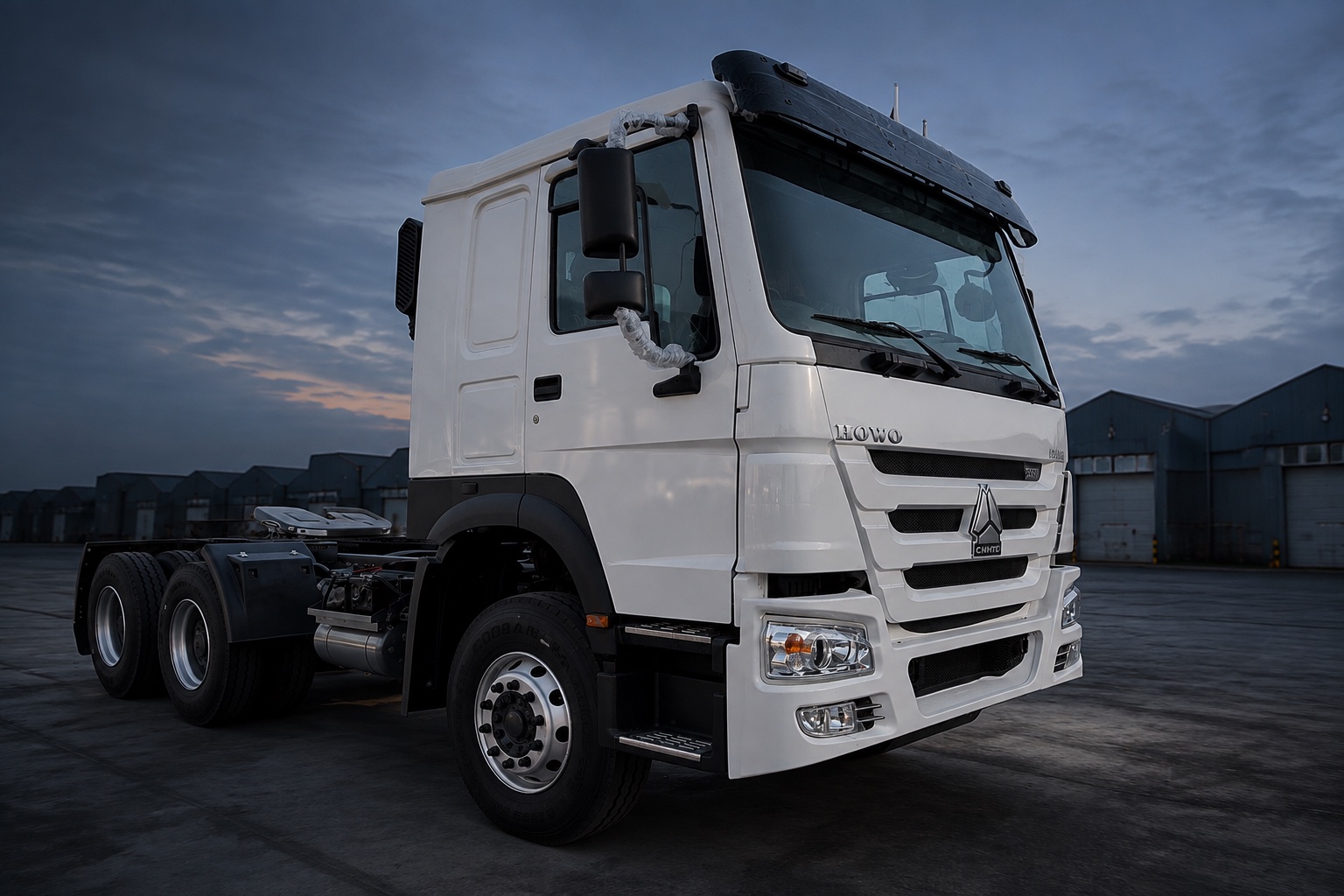
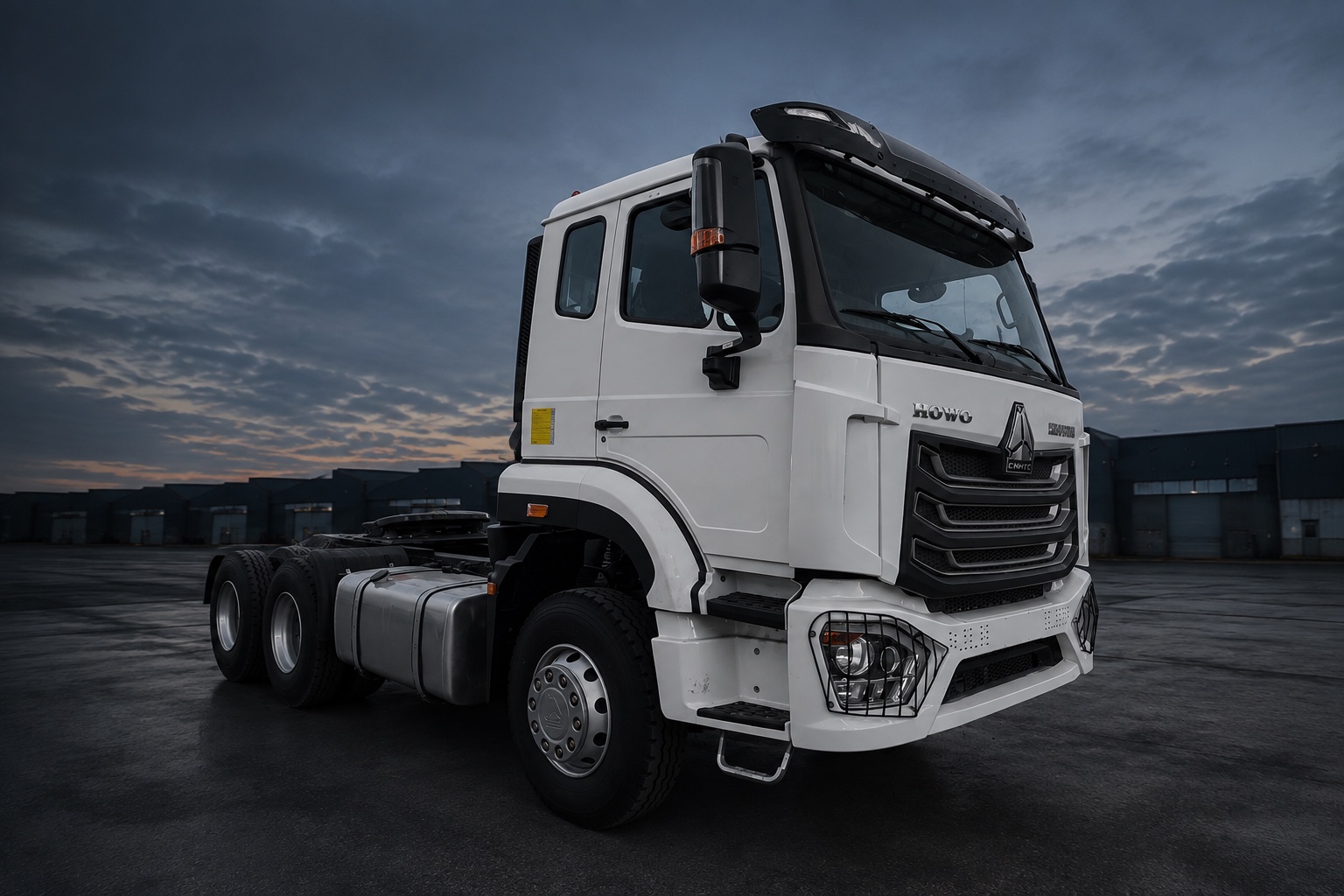
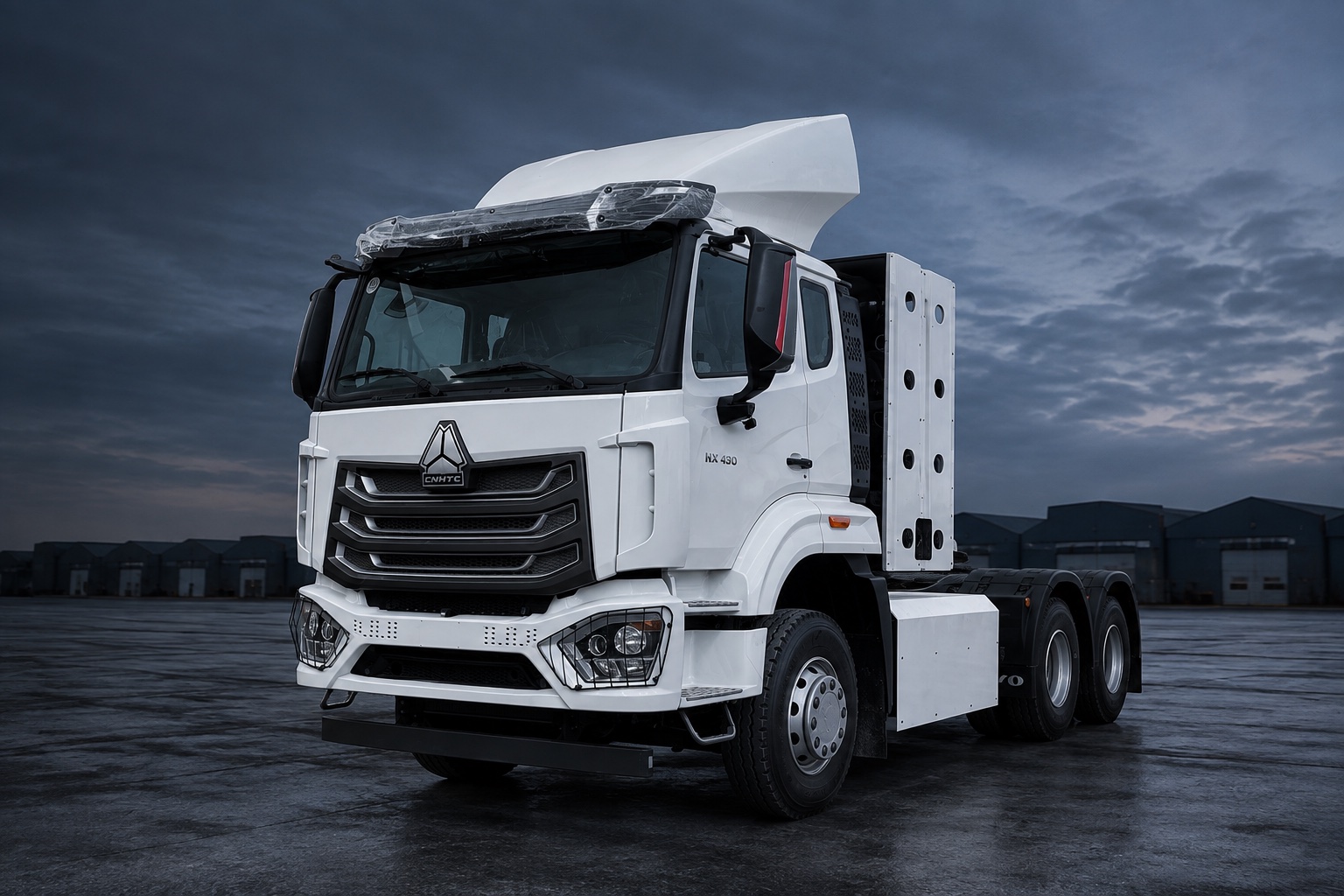
Importing a HOWO or SHACMAN truck to Uganda? We supply right-hand drive HOWO 371, HOWO NX, and SHACMAN H3000 tractor units, plus SHACMAN F3000 tippers, in new, remanufactured, and refurbished condition, with conformity inspection arranged in Qingdao before loading. Contact us for a quote and we will confirm the current Uganda requirements for your configuration.
Related trucks
Ready to import with confidence?
Tell us what you need. We'll respond within one business day with specifications, FOB Qingdao pricing, and document support for your market.
Request a Quote