How to Specify a HOWO or SHACMAN Tractor Truck for Container Haulage
A container tractor must match the trailers, box weights, port route, and local road rules it will face. Here is what to confirm before ordering from China.
A tractor truck that looks suitable in a quotation may still be wrong for container work. The fifth wheel may not match the trailers in your fleet, the axle ratio may be too slow or too fast for the route, the fuel range may be inadequate, or the chassis may be unable to carry the intended combination within local limits. These details are easier to settle before the truck is built, inspected, and loaded for export.
For a new, remanufactured, or refurbished HOWO or SHACMAN tractor truck, start with the actual work rather than a generic horsepower request. Describe the container sizes, typical gross weights, trailer type, road surface, gradients, daily distance, port access, fuel availability, and destination regulations. That brief gives the supplier a basis for proposing a usable chassis, but the buyer should still confirm local operating and registration requirements independently.
Define the trailer and fifth wheel first
A tractor truck connects to a trailer through the fifth wheel, kingpin, coupling height, and associated air and electrical connections. These parts must agree with the trailers that will be used after arrival. Ask for the fifth-wheel make or specification, its rated vertical load and gross combination capacity, kingpin size compatibility, coupling height, release-handle arrangement, and condition if the truck is not new.
A tractor may be offered with a standard fifth wheel that is acceptable for one local trailer but unsuitable for another. Confirm whether your trailers use a fixed-height or sliding fifth wheel, whether a low-profile coupling is needed, and how much clearance is required between cab, chassis equipment, landing legs, and trailer front wall during turns. The fifth-wheel coupling guide explains the measurements and inspection points that should be recorded.
Request photographs and a short demonstration of the actual coupling before final payment. The demonstration should show the closed jaw, locking check, release mechanism, mounting bolts, slider if fitted, and the condition of the plate. It should not replace a safe operational procedure used by trained drivers, but it gives the buyer evidence that the specified hardware is installed on the identified chassis.
Match axle configuration to the route and gross weight
A 6x4 tractor is common for container haulage because two rear drive axles offer useful traction and distribute load better than a 4x2 on demanding routes. That does not make every 6x4 legal or suitable. Permitted axle loads, gross combination limits, bridge limits, container weights, trailer axle spacing, and road enforcement rules differ by destination. Check these before selecting the chassis.
An 8x4 rigid truck is not automatically an alternative to a 6x4 tractor. The layout, body purpose, turning behaviour, and trailer connection are different. Use the 6x4, 8x4, and 6x6 configuration guide to separate payload capacity from driven-axle traction when comparing options.
Ask for the tractor's axle ratings, tyre ratings, kerb weight, wheelbase, and a combination-weight calculation for the intended trailer. Include full fuel, driver, spare wheel, fifth wheel, and any equipment mounted behind the cab. A quoted engine output does not prove that the legal payload or axle loading will work for your operation.
Choose the engine, gearbox, and axle ratio as one system
Engine power is important, but it is only one part of how a container tractor performs. The gearbox ratios, driven-axle ratio, tyre rolling size, normal weight, gradients, and cruising speed determine whether the engine works in an efficient range. A truck intended for short port shuttle runs can need a different balance from one that spends most of its time on longer intercity roads.
State the normal container weight and the heaviest lawful load you expect to move. Explain whether the truck will start frequently on ramps, queue in a port, climb long grades, operate on rough access roads, or cruise mainly on paved highways. Then request the exact engine model, rated power, torque figure, gearbox model, number of speeds, clutch type, and axle ratio in the technical attachment.
The axle-ratio guide gives buyers a practical way to discuss these tradeoffs. Do not accept a vague statement that an axle ratio is suitable for containers. The supplier should identify the ratio installed on the actual truck, and the buyer should compare it with route speed, load, and local parts support.
Specify tyres, wheels, and spare-wheel policy
Tyres carry the load and influence gearing, braking, ride, fuel use, and roadside serviceability. Record the tyre size, construction, load and speed rating where marked, wheel type, tyre brand if agreed, tread pattern, and quantity. Confirm that the tyre specification matches the axle rating and destination conditions. A tyre common in one export market may be difficult to replace in another.
For a container tractor, decide whether one or more spare wheels are required and where they will be carried. The choice affects chassis packaging and available space for fuel tanks, air tanks, battery boxes, and tool storage. The 12.00R20 and 12R22.5 tyre guide can help buyers compare common tube-type and tubeless arrangements, but the final tyre choice must match the approved wheel and axle specification.
Plan fuel range, cab layout, and chassis equipment
Container work can include waiting at terminals, overnight road runs, and routes where reliable fuel stops are limited. Calculate fuel capacity from the real daily distance, idle time, terrain, payload, and refuelling points rather than choosing the largest tank by habit. A larger tank adds range but also affects tare weight and chassis layout.
Choose a day cab or sleeper cab around the driver's work pattern. A day cab may be practical for repeat port shuttles, while a sleeper cab can matter for longer routes and border delays. The day cab and sleeper cab guide explains the decision in more detail. Confirm steering side, air conditioning, heater, seats, bunk arrangement if required, mirrors, lights, and any fleet equipment that must be fitted before export.
Ask for a chassis drawing that shows fuel tanks, batteries, air reservoirs, exhaust routing, spare-wheel carrier, mudguards, catwalk, and trailer-line connections. These details affect access for daily checks and the clearance needed when the tractor turns under a loaded trailer.
Inspect the actual truck before shipment
A pre-shipment inspection should prove that the truck being approved is the truck that will ship. Start by recording the chassis number and matching it to the proforma invoice, technical attachment, photographs, inspection report, and later shipping documents. The chassis-number verification guide explains how to keep that evidence linked to one unit.
Include the following points in the inspection record:
- Chassis number, truck model, drive side, wheelbase, axle configuration, and inspection date
- Engine, gearbox, axle ratio, tyre size, wheel type, and stated axle ratings
- Fifth-wheel type, mounting, release mechanism, coupling height, and trailer-line connections
- Fuel-tank capacity, battery condition, air tanks, catwalk, mudguards, and chassis clearances
- Cab layout, warning lamps, lights, mirrors, seat belts, and agreed accessories
- Controlled start, brake, steering, and coupling evidence, plus correction records for any defects
Keep these records with the wider pre-shipment inspection. For a remanufactured or refurbished truck, request a clear statement of which major drivetrain and coupling components are new, rebuilt, repaired, or retained. A clean paint finish does not answer that question.
The practical buying decision
Choose a container tractor by starting with the trailer, load, route, and local limits. Then match the fifth wheel, axle layout, engine, gearbox, axle ratio, tyres, cab, fuel range, and inspection plan to that operation. A precise written specification gives the buyer a stronger basis for approval than a general promise that a truck is ready for container work.
Ruidite supplies and exports new, remanufactured, and refurbished HOWO and SHACMAN trucks from China. Share your trailer type, normal container weight, route, daily distance, destination, and required coupling details, and request written evidence for the actual truck before you order.
Related trucks
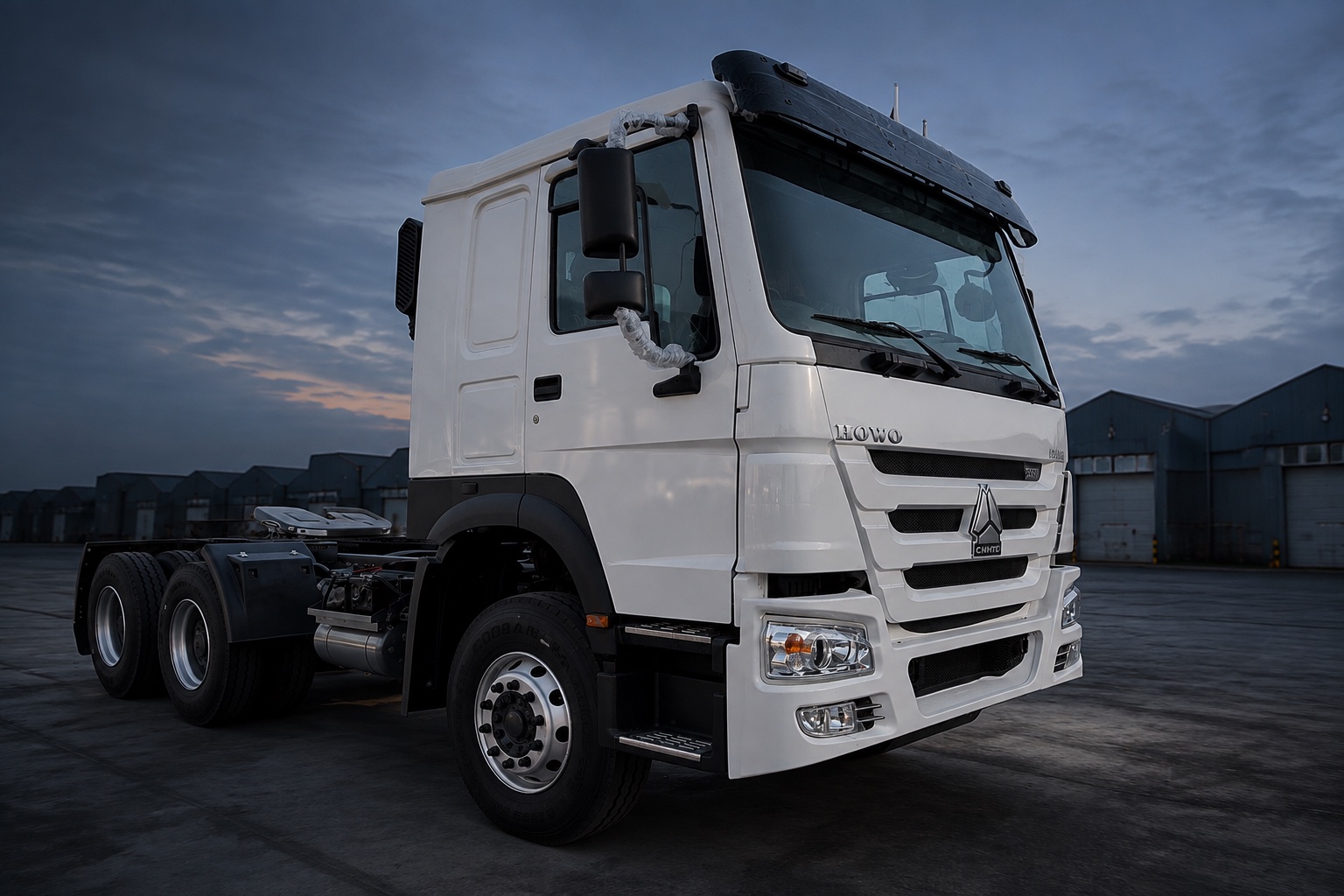
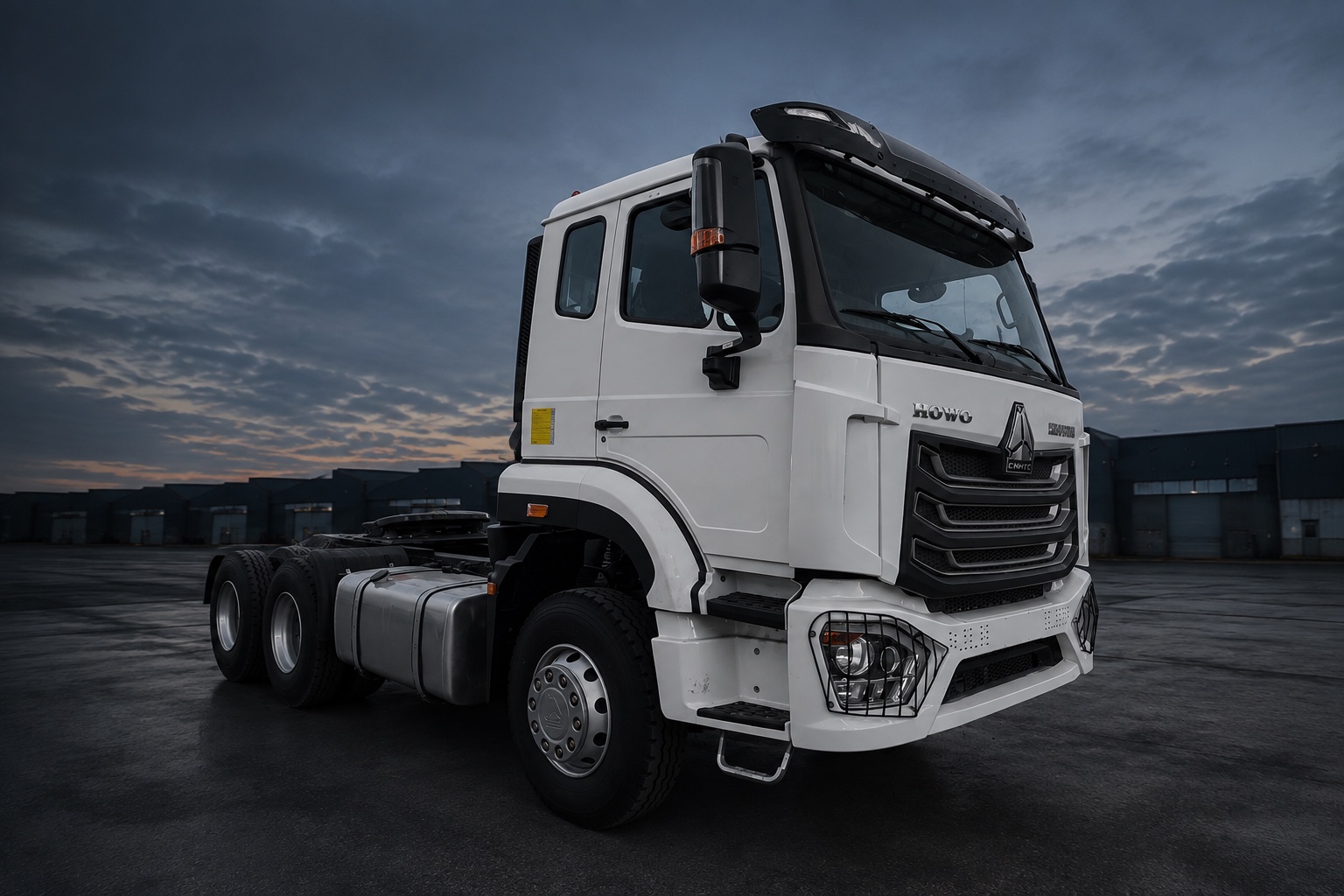
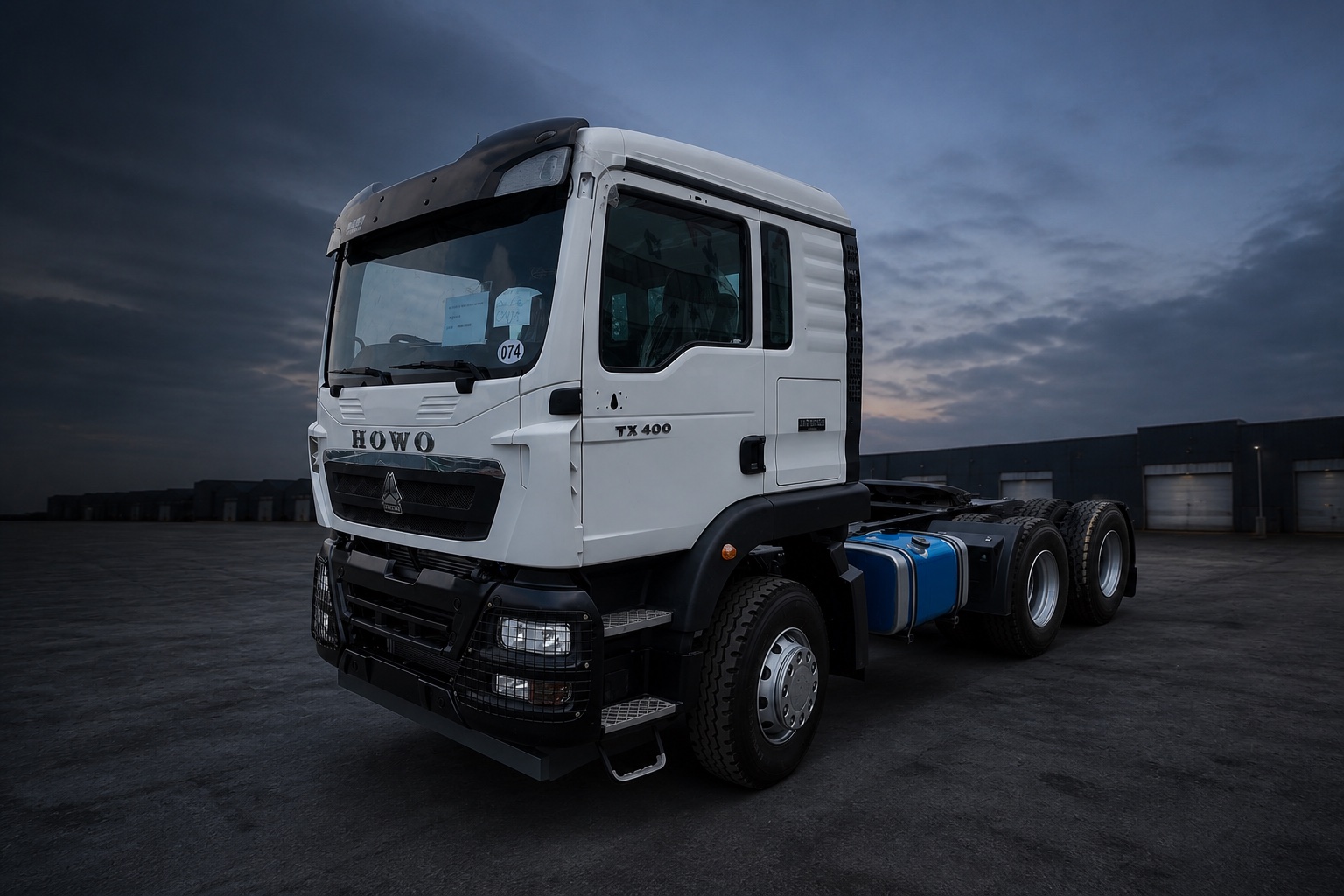
Ready to import with confidence?
Tell us what you need. We'll respond within one business day with specifications, EXW or CIF pricing, and document support for your market.
Request a Quote