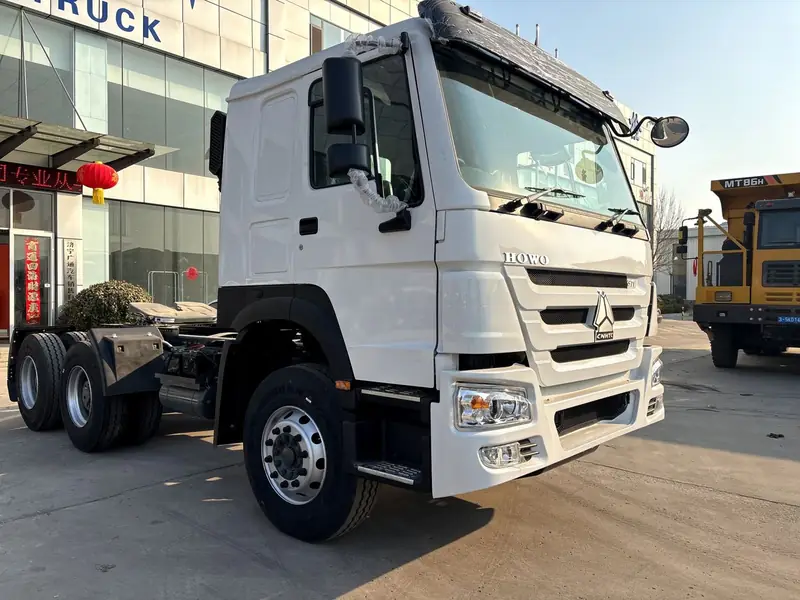
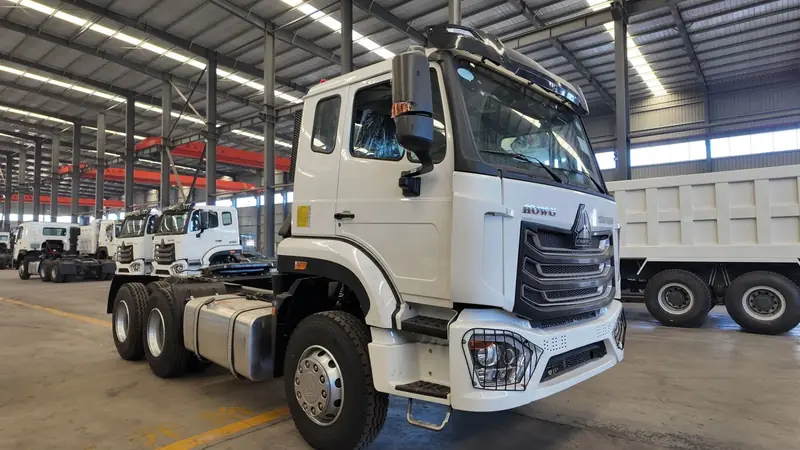
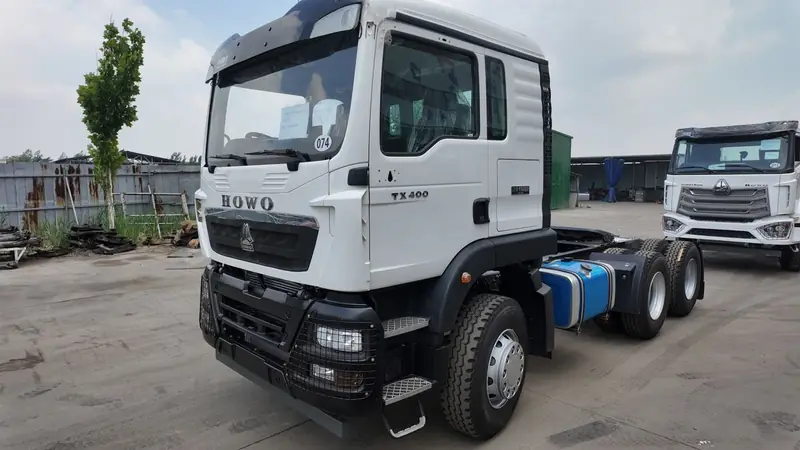
Disc or drum brakes on a HOWO or SHACMAN truck?
Identify the brakes at each axle, compare inspection and support requirements, and confirm the proposed vehicle configuration before ordering.
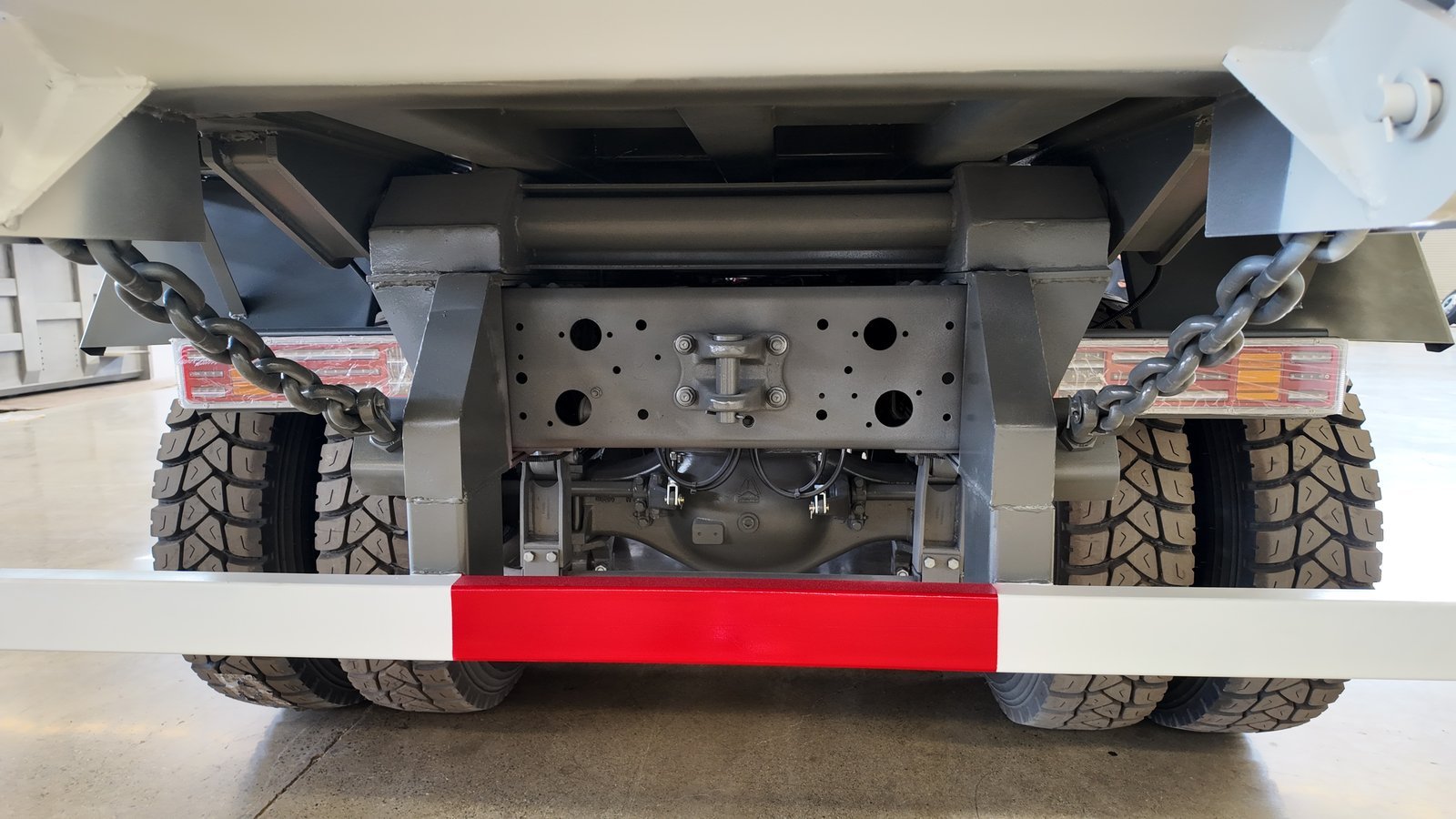
Compare disc and drum brakes by the exact approved vehicle configuration, intended work, component condition and local service support. Neither the HOWO nor SHACMAN badge identifies the brakes fitted at every axle. Request that information before comparing prices, and do not treat a change of brake type as a routine refurbishment upgrade.
For a truck quotation, describe the route, operating load and destination. Ask the supplier to identify the proposed brake arrangement and confirm availability for that build. This guide is a purchasing checklist, not a repair procedure or a certification that a particular system is suitable for a particular route.
Identify the system at each axle
Ask for a configuration sheet that identifies the brake type at the steering and rear axles, along with the relevant component manufacturer and model information. If a trailer is involved, include its brake system and connection requirements in the discussion. A photograph of one wheel does not establish the arrangement throughout the combination.
Keep the basic distinctions clear. Disc and drum describe the wheel-end friction arrangements. Air operation describes how the system is actuated, while ABS or stability equipment is another part of the vehicle configuration. A quotation that mentions air brakes or ABS alone has not necessarily answered whether the wheel ends use discs or drums.
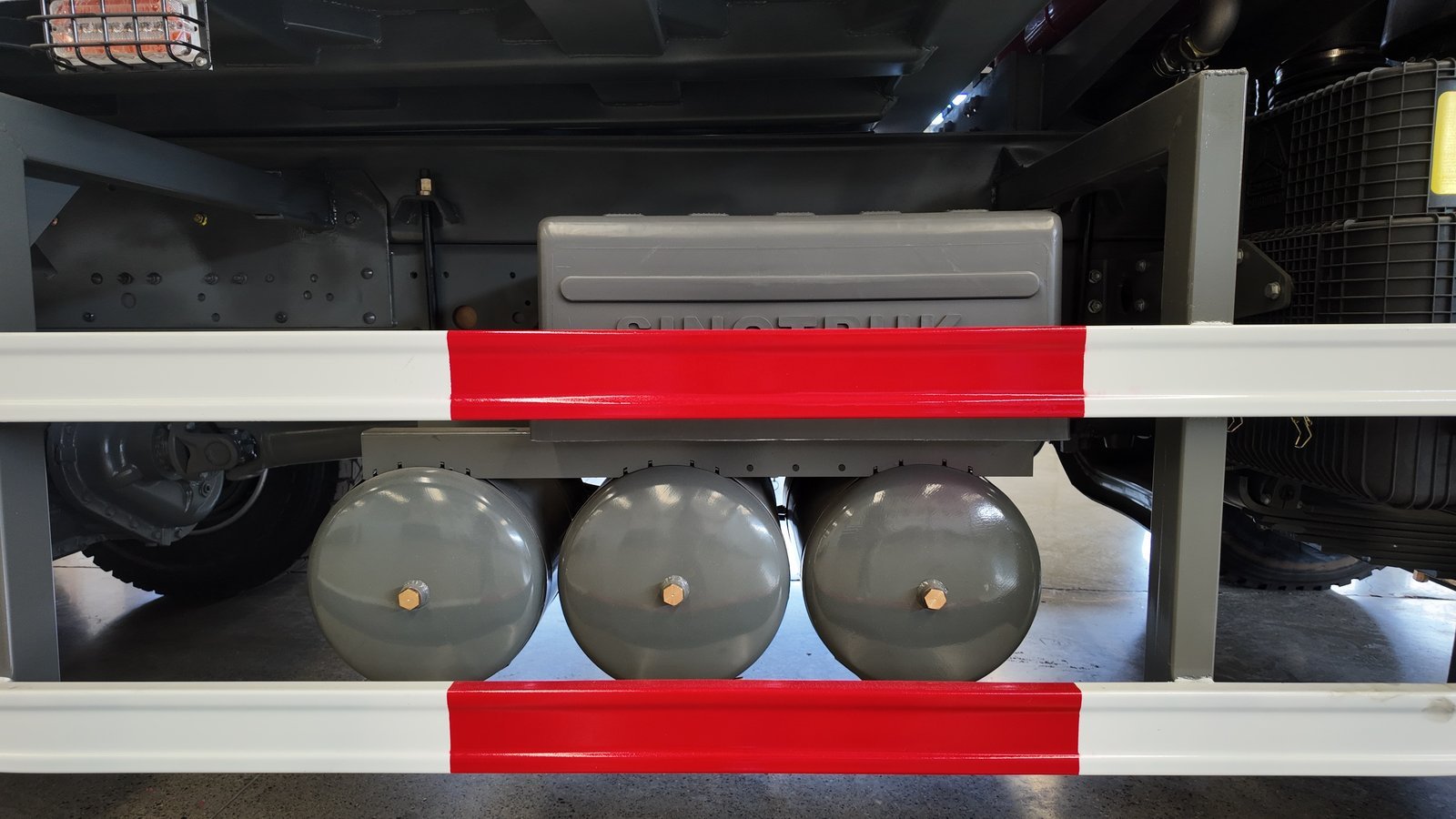
Request photographs and identification evidence for the offered truck, with sensitive identifiers handled through the agreed sales process. For a refurbished unit, match the records to that chassis. A specification copied from another year or a similar cab can describe components that are absent from the actual vehicle.
Use manufacturer evidence within its scope
Brake manufacturers publish performance and maintenance information for their products. Such material can help form questions, but it should not be converted into an unsupported promise about another manufacturer's brakes or a complete HOWO or SHACMAN vehicle. Ask which evidence applies to the proposed build and who is responsible for confirming compatibility.
Bendix's air disc brake maintenance guidance emphasises regular inspection and attention to the operating environment. Its accompanying technical document discusses debris-prone and off-road applications. Those points support asking about protection and maintenance for the exact system; they do not establish that every disc brake has the same requirements or service interval.
Do not select a truck from a claimed stopping-distance percentage without knowing the tested vehicle, load, tyres, conditions and brake specification. A component comparison is not a stopping-distance guarantee for a complete combination. Ask the supplier for the applicable vehicle documentation and resolve destination acceptance through the appropriate approval process.
Describe the duty cycle before discussing preference
Tell the supplier about road gradients, traffic, surface conditions, distances and the load the vehicle is intended to carry. Include repeated stops, dusty or muddy sites and any trailer operation. These details give the responsible technical team a basis for checking the proposed system and maintenance requirements.
For a quarry truck that enters rough sites, ask how the wheel-end installation is protected and what inspection access is required. For a tractor on a long route, ask how the truck and trailer configuration will be assessed together. The decision should cover the offered vehicle and job, not a general preference taken from an unrelated fleet.
Keep auxiliary braking separate. An engine brake, exhaust brake or retarder does not identify the wheel-end service brakes and should not be treated as a replacement for them. Our engine brake and retarder guide covers the specification questions to ask alongside the main brake-system information.
Check the local service route
Before ordering, send the component details to the workshop expected to maintain the truck. Ask whether it has the relevant service information, inspection capability, tools and access to suitable replacement parts. A workshop's experience with one brake design does not prove it can maintain every system sold under the same brand.
Request a parts identification list for the fitted wheel ends. Confirm how the workshop will obtain the specified friction components and other service items. Generic descriptions such as brake pads for HOWO or brake shoes for SHACMAN can be too broad to establish compatibility. Keep the manufacturer, part identification and applicable vehicle details together.
Compare support using actual local quotations where possible. Do not copy repair prices or service-life claims from overseas forum discussions into an African operating budget. Labour, parts availability, application and component condition can differ. The useful outcome is a documented support plan, with uncertain costs clearly marked as estimates.
Refurbishment needs a written inspection scope
For a refurbished truck, ask which brake-system components will be inspected, which findings will be recorded and what repair or replacement work is included. Identify items that remain subject to inspection rather than assuming the whole system is new. Repainting a wheel or renewing one visible component does not document the condition of the complete system.
Bendix's Brake Safety Week technical guidance distinguishes inspection considerations for disc and drum systems and stresses appropriate replacement friction. It is a manufacturer reference, not a universal set of limits for an export truck. The qualified workshop must use the applicable vehicle and component instructions.
Agree the release evidence before the work begins. Ask for the completed inspection record, identified repairs, unresolved items and the agreed completion checks. Our air-brake inspection guide helps buyers organise those records. It does not replace an inspection by qualified personnel.
Do not assume a conversion is included
If the preferred brake type is unavailable on the quoted vehicle, ask for another suitable configuration before assuming it can be converted. A change can involve wheel ends, axles, controls and vehicle approval questions. Its feasibility must be assessed by the responsible manufacturer or qualified engineering team for that exact vehicle.
A seller's statement that discs can simply replace drums, or the reverse, is not sufficient evidence. Request the proposed configuration, responsibility for engineering approval and the documentation that would accompany it. Avoid agreeing to unspecified alterations as part of a basic refurbishment package. There is no universal conversion kit or price established by this article.
Questions to settle in the quotation
- Which brake type and components are fitted at each axle?
- What evidence identifies the offered vehicle and configuration?
- Has the proposed duty cycle and destination been considered?
- Can the local workshop service the exact fitted system?
- What inspection, repair and replacement work is included?
- Which checks and documents are required before release?
Use the truck buying checklist to keep open questions beside the offer. Send R Trucks the truck type, condition, quantity and destination so we can confirm the proposed configuration and provide a written quotation.