Air Suspension vs Leaf Springs: Which Setup Should Your HOWO or SHACMAN Have?
Suspension affects cargo protection, tyre wear, stability, and repair cost. Here is how to choose air suspension or leaf springs before your export truck leaves China.
Suspension choice affects the whole operating cost
A truck suspension is easy to overlook when the quotation already lists engine power, gearbox, axle configuration, and body. Yet it has a direct effect on ride quality, cargo damage, tyre wear, braking stability, and how often a truck needs workshop attention. For HOWO and SHACMAN buyers, the usual choice is between a conventional multi leaf spring setup and an air suspension system, sometimes called air bags or air bellows.
How leaf spring suspension works
A leaf spring pack uses several curved steel strips clamped together between the axle and chassis. As the axle moves over a bump, the steel flexes. The packs locate the axle, carry the weight, and resist some fore and aft movement, which is why the system can be strong with relatively few separate components. Heavy trucks normally use multi leaf packs, with the number and thickness of leaves chosen for the axle rating and intended work.
The advantages are direct. Leaf springs tolerate high static loads, dust, mud, and repeated use on poor surfaces. A damaged bush, pin, U bolt, or spring leaf is usually understandable to a general truck workshop. Replacement parts are common in many markets, and a fleet can keep essential spares without specialized diagnostic equipment.
What air suspension changes
Air suspension uses rubber bellows supplied by an onboard air system. Height control valves add or release air so the chassis stays near a set ride height as the load changes. The system normally includes air springs, shock absorbers, control valves, pipes, brackets, and sometimes electronic sensors or a control unit. It still needs sturdy axle locating arms and mounts, but the air bags carry the vertical load.
The main benefit is a smoother ride. Air springs can isolate vibration better than a stiff spring pack, particularly when a truck runs empty or carries cargo that is sensitive to shocks. They can also help keep trailer coupling height consistent. For a long haul tractor, a controlled chassis height can make loading docks, trailer changes, and container work easier.
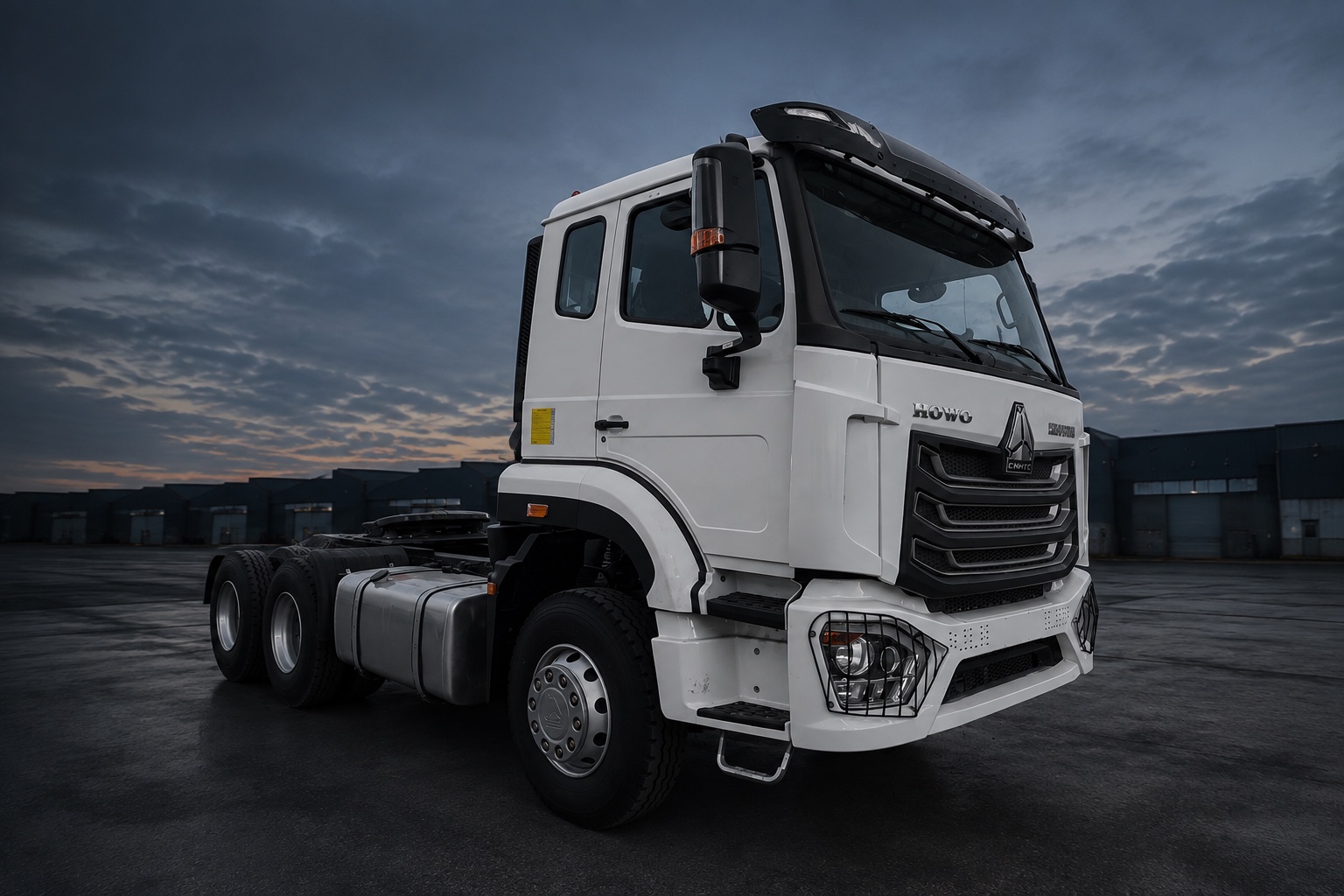
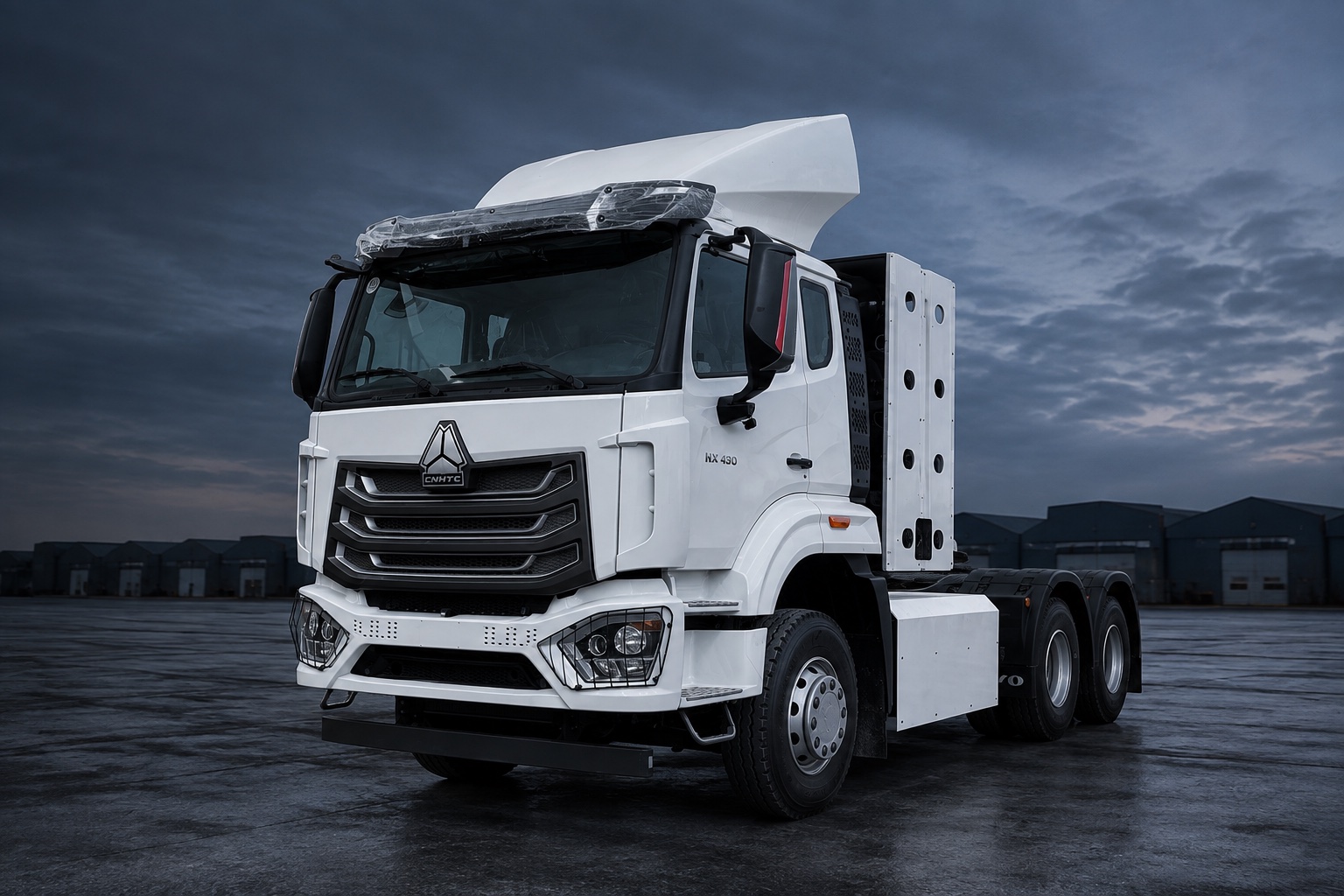
An air suspended HOWO NX 6x4 tractor or SHACMAN H3000 tractor can be a good fit for paved regional haulage, container transport, box bodies, and goods that benefit from less vibration. It can also improve driver comfort over long distances, which matters when the truck covers the same route every day. Those benefits are real, but only when the route and maintenance plan support them.
Do not confuse a smoother ride with more legal payload
Air suspension does not give a truck permission to carry more than its rated gross weight or the destination country's axle limits. The legal payload still depends on the chassis rating, axle ratings, tyre load rating, body weight, and local axle load rules. A buyer who chooses air suspension because it looks premium can still overload the drive axles, damage tyres, and face weighbridge penalties.
Likewise, a leaf spring truck is not automatically unstable. Correctly specified springs, shock absorbers, anti roll bars, tyres, and load distribution can make a conventional truck very dependable. The useful question is not which system is more modern. Ask which system keeps your actual load controlled on your actual road.
Compare the route before choosing
Start with the route rather than the brochure. Leaf springs suit repeated shock loads from broken roads, quarry entrances, construction sites, and rural loading points. Their stiffness can feel harsh when empty, but that stiffness is valuable when the body sees heavy bulk cargo and uneven ground.
Air suspension is strongest where roads are mostly paved, speeds are more consistent, and cargo protection matters. It can be especially useful for dry freight, electronics, packaged goods, refrigerated bodies, and trailer work where ride quality influences customer claims. It is less attractive where branches, rocks, mud, or careless loading can damage air lines and bellows.
Think about the worst twenty kilometres, not only the best two hundred. A tractor may run on highway for most of its trip but still enter a rough yard twice a day. If that yard frequently damages steps, tanks, and mudguards, protect the suspension choice accordingly.
Maintenance and parts need an honest plan
Air suspension needs a more disciplined plan. Small leaks in fittings or air lines force the compressor to work harder and can leave a truck sitting low. A torn bellows, seized height valve, damaged leveling linkage, or failed sensor can stop normal operation. A workshop must know how to secure the chassis safely before working beneath it and must be able to trace air leaks and set ride height correctly.
Before ordering air suspension, ask your local parts supplier whether it stocks compatible bellows, valves, fittings, shock absorbers, and control components. Ask the exporter for exact part numbers, not a general phrase such as air suspension parts. Put those part numbers, axle model, and suspension maker in the purchase file. If the route is remote, ship a small kit of commonly needed fittings and a spare height valve with the truck, following the same identification discipline we recommend in our spare parts guide.
Match suspension to the body type
The body often decides the answer. Aggregate tippers, mixer trucks, tankers used on site roads, and heavy cargo bodies generally favor robust leaf spring arrangements. A high centre of gravity body also needs the correct anti roll equipment and loading controls, regardless of suspension type.
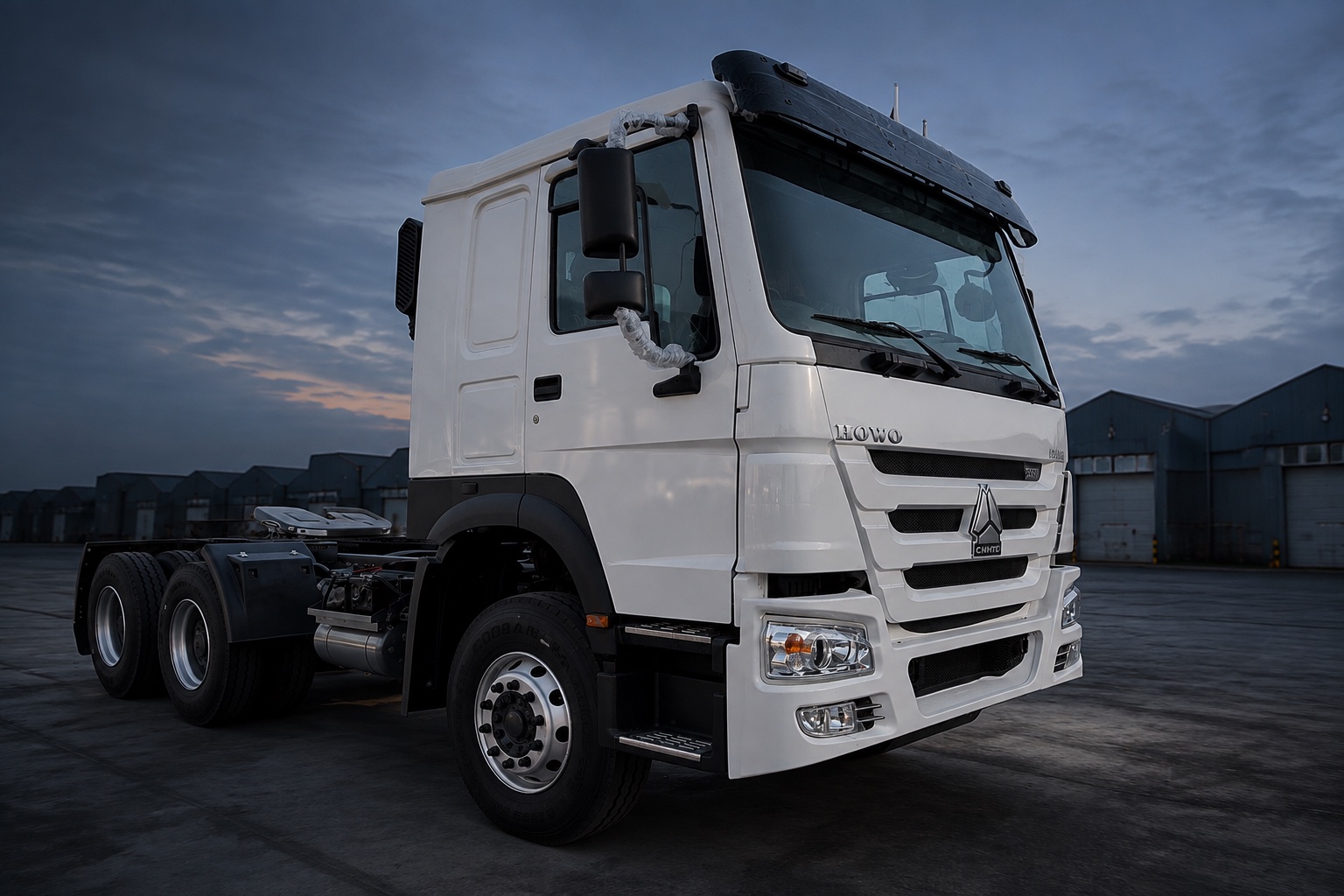
Long haul tractors, box bodies, curtainsider work, and cargo that is easily damaged can justify air suspension if the operator can maintain it. For a HOWO 371 6x4 tractor, the axle ratio, tyre size, fifth wheel position, and trailer specification still matter as much as the suspension. A complete specification avoids one premium component being paired with the wrong work.
What to inspect before shipment
Include suspension checks in the pre-shipment inspection, especially for remanufactured and refurbished units. The report should confirm the axle and suspension model, the condition of brackets and mounts, and that the specification matches the contract.
For leaf springs, inspect for cracked leaves, uneven pack alignment, worn pins and bushes, loose U bolts, damaged shock absorbers, and signs that one side sits lower than the other. For air suspension, inspect bellows for rubbing or cracking, verify air lines are secured, listen for leaks, test height control, and make sure the chassis returns to normal ride height after loading and unloading. A short road test should show whether the truck tracks straight, bounces excessively, or pulls under braking.
The practical choice
Choose leaf springs when you need durable simplicity, heavy bulk loading, rough road tolerance, and repairs that local workshops can handle easily. Choose air suspension when paved routes, cargo protection, ride quality, and height control create a clear operating benefit, and when you have reliable parts and technicians at the destination.
The most expensive suspension is the one that does not match the work. Describe your body, normal payload, road surface, route length, and workshop support before requesting a quote. Then specify the axle and suspension package as carefully as the engine and gearbox.
Ruidite supplies new, remanufactured, and refurbished HOWO and SHACMAN trucks from Qingdao for export. Tell us your body type, payload, road conditions, and destination, and we will help match the axle and suspension setup before you order.
Related trucks
Ready to import with confidence?
Tell us what you need. We'll respond within one business day with specifications, FOB Qingdao pricing, and document support for your market.
Request a Quote