How to Choose Ground Clearance and Approach Angles for a HOWO or SHACMAN Truck
Ground clearance is not just a brochure number. Learn how approach angle, departure angle, tyre size, wheelbase, and body overhang determine whether a truck works on your route.
Ground clearance is a route decision
Ground clearance is the lowest vertical distance between a truck and the ground. It matters whenever a HOWO or SHACMAN leaves smooth pavement for quarry entrances, construction sites, farm roads, drainage crossings, ferry ramps, or uneven yards. A truck with adequate engine power can still become unproductive if its fuel tank, air reservoir, bumper, exhaust, or differential housing repeatedly contacts the ground.
Do not choose clearance from a catalogue alone. The useful question is whether the complete, loaded truck can pass the worst points on your normal route without damage or unsafe detours. That answer depends on more than one dimension. Tyres, axle layout, wheelbase, body overhang, suspension movement, load, and added equipment all change the real result.
Know which point is actually lowest
Suppliers may quote a single clearance figure measured below an axle or chassis rail. That can be helpful, but it does not reveal every vulnerable point. On a working truck, check the clearance below the front bumper, sump guard, intercooler area, fuel tank, battery box, air tanks, exhaust, side steps, differential housings, and rear underrun protection. A low hanging hose or bracket can create a costly failure before a major chassis component touches anything.
Ask for side and underside photographs of the exact configuration, not only a standard model photograph. For a remanufactured or refurbished truck, verify that replacement tanks, body mounts, and exhaust parts sit in their intended positions. Fresh paint does not confirm that a modified bracket has enough clearance.
Approach angle protects the front of the truck
Approach angle describes how steep an obstacle the truck can climb before the front bumper or lower front equipment touches it. It is especially important at rough site gates, ramp transitions, ferry loading ramps, and washed-out entrances. A taller tyre or shorter front overhang can improve it, while an extended bumper, low spoiler, or oversized front-mounted accessory can reduce it.
For a tractor unit, consider the route with and without a trailer. The tractor may clear a ramp while the trailer landing legs or front underside do not. For a tipper, include the front body guard and any tool box in the inspection. The practical test is simple: identify the steepest ramp or crest on the route, photograph it, and ask the supplier to confirm the proposed truck's dimensions against it.
Departure angle and rear overhang matter for tippers
Departure angle is the equivalent measurement at the rear. It becomes critical when a dump truck leaves a stockpile, crosses a drainage channel, or reverses down a ramp. A long rear overhang can strike the ground even when the chassis has good axle clearance. Rear-mounted equipment, towing hardware, and a low tailgate can make the problem worse.
The body builder must work with the chassis wheelbase and rear axle position. A bigger dump body is not automatically better if it places too much steel and overhang behind the rear axle. Match body length to legal payload, material density, and the work site. Our dump truck body size guide explains why volume, axle loads, hoist geometry, and route dimensions must be agreed together.
Breakover angle is where wheelbase shows up
A truck can clear an obstacle at the front and rear but still ground in the middle when it crosses a sharp crest. This is a breakover-angle problem. Longer wheelbases reduce the angle between the tyres and the lowest middle point, so a long chassis can hang up on a raised crossing that a shorter chassis clears.
Wheelbase has legitimate benefits: it provides room for a larger body, tanks, or equipment and can improve straight-line stability. It is not a universal upgrade. For site work, compare the wheelbase with the tightest turns, ramps, and crests you expect to use. Read our truck wheelbase guide before treating a longer frame as the default choice.
Tyre size changes more than clearance
A larger rolling tyre can raise the axle and chassis, but it also changes gearing, speedometer calibration, steering clearance, spare-wheel availability, and sometimes legal fitment. Tyre tread matters too. A deep off-road pattern may improve traction in mud or loose aggregate, while a highway pattern may be more economical for long paved routes.
Do not mix tyre sizes to gain clearance without written engineering approval. Different rolling radii can overload components, affect braking behavior, and create problems with driven axles. Specify the tyre size, load rating, ply or construction, tread use, rim size, and spare-wheel match on the order. Our 12.00R20 versus 12R22.5 guide can help you discuss the tradeoffs with the supplier.
Suspension and axle configuration set usable clearance
Leaf-spring suspension is common on severe-duty tippers because it can be robust, simple, and well suited to heavy loads. Air suspension can improve ride quality and protect cargo, but its practical suitability depends on the route, body, maintenance support, and specified ride height. Loaded suspension compression can reduce clearance, so ask for both unloaded and loaded dimensions where possible.
Axle configuration changes where the truck carries weight and how it moves over rough ground. A 6x4 may suit most haulage and construction delivery. A 6x6 may offer useful traction where roads are consistently loose or muddy, but it adds complexity and can change payload, fuel use, and maintenance needs. Use our 6x4, 8x4, and 6x6 comparison as a starting point, then decide from the actual route.
Check added equipment before finalizing the order
Truck specifications often become less suitable after accessories are added. A fuel tank mounted lower for larger capacity, a side guard required by local law, a battery box, auxiliary lights, a toolbox, or a body subframe can reduce practical clearance. For a tanker or mixer, inspect pipework and guards below the chassis. For a tractor, include the fifth wheel height, mudguards, and trailer connection clearance.
Give the supplier a written equipment list before the proforma invoice is finalized. The order should show the chassis model, wheelbase, tyre specification, suspension, body dimensions, front and rear overhang, and any items installed below the frame. This makes inspection objective and limits last-minute substitutions.
Make clearance part of pre-shipment inspection
A pre-shipment inspection should measure the specified tyre size and photograph the underside, bumper, tanks, exhaust, body mounts, and rear equipment. Ask the inspector to compare the actual wheelbase and body overhang with the signed specification. Check for loose hoses, rubbing components, damaged guards, and welds that could lower a bracket after vibration.
Where the truck will work on difficult ground, share route photographs with the inspector and request a slow maneuver test over a safe representative ramp or uneven surface. This is not a substitute for a local route survey, but it can reveal obvious bumper contact, tyre rubbing, or suspension issues before the truck is loaded for export.
The practical buying decision
Choose ground clearance, approach angle, departure angle, and wheelbase as one package. A highway tractor that rarely leaves pavement can prioritize fuel economy and stable long-distance running. A quarry tipper or construction truck should prioritize the loaded route, vulnerable underbody equipment, body overhang, tyres, and serviceability.
Ruidite supplies new, remanufactured, and refurbished HOWO and SHACMAN trucks from Qingdao for export. Tell us your cargo, route photographs, worst ramp or crossing, body type, and destination, and we will help match the wheelbase, tyres, axle layout, and working clearance before you order.
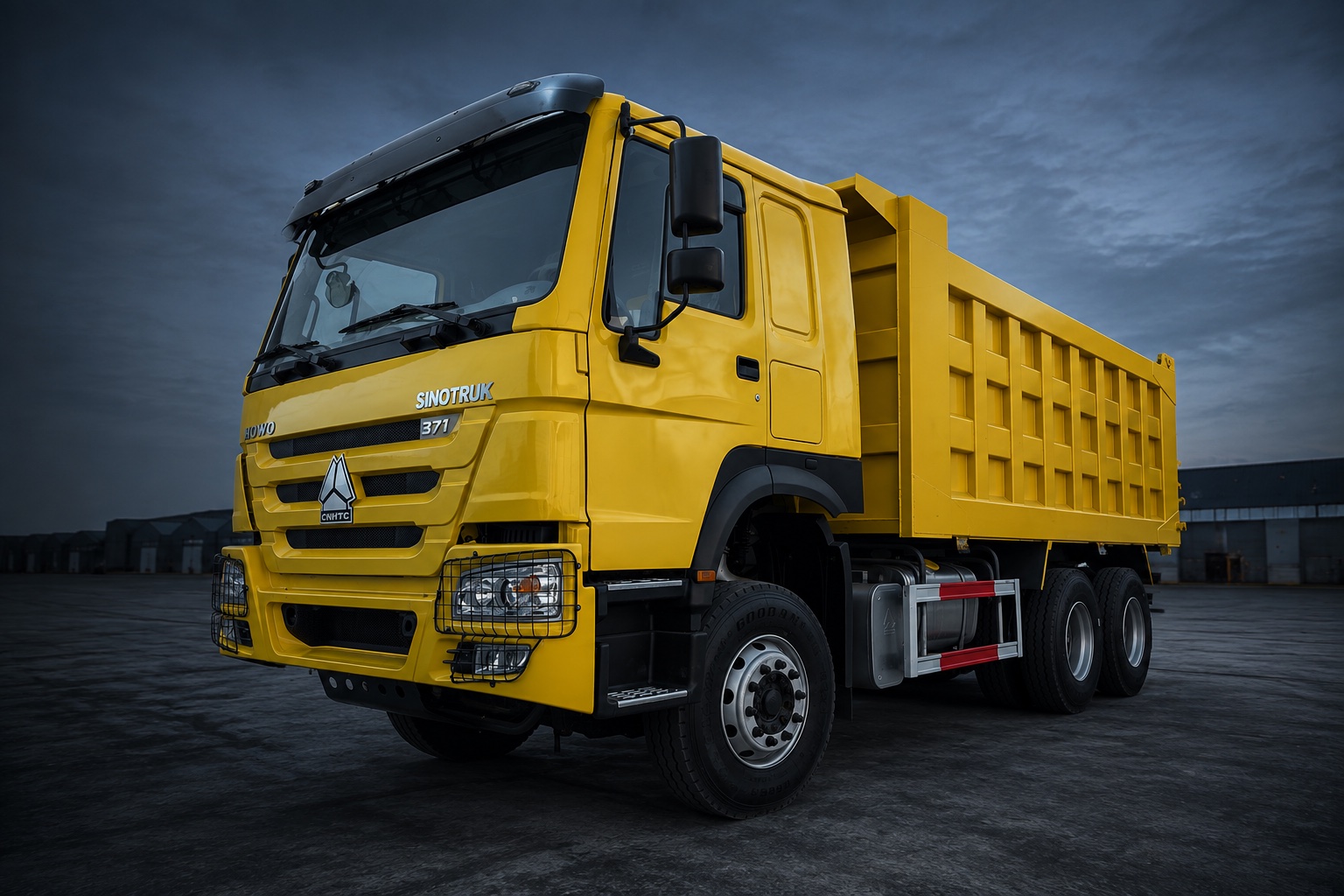
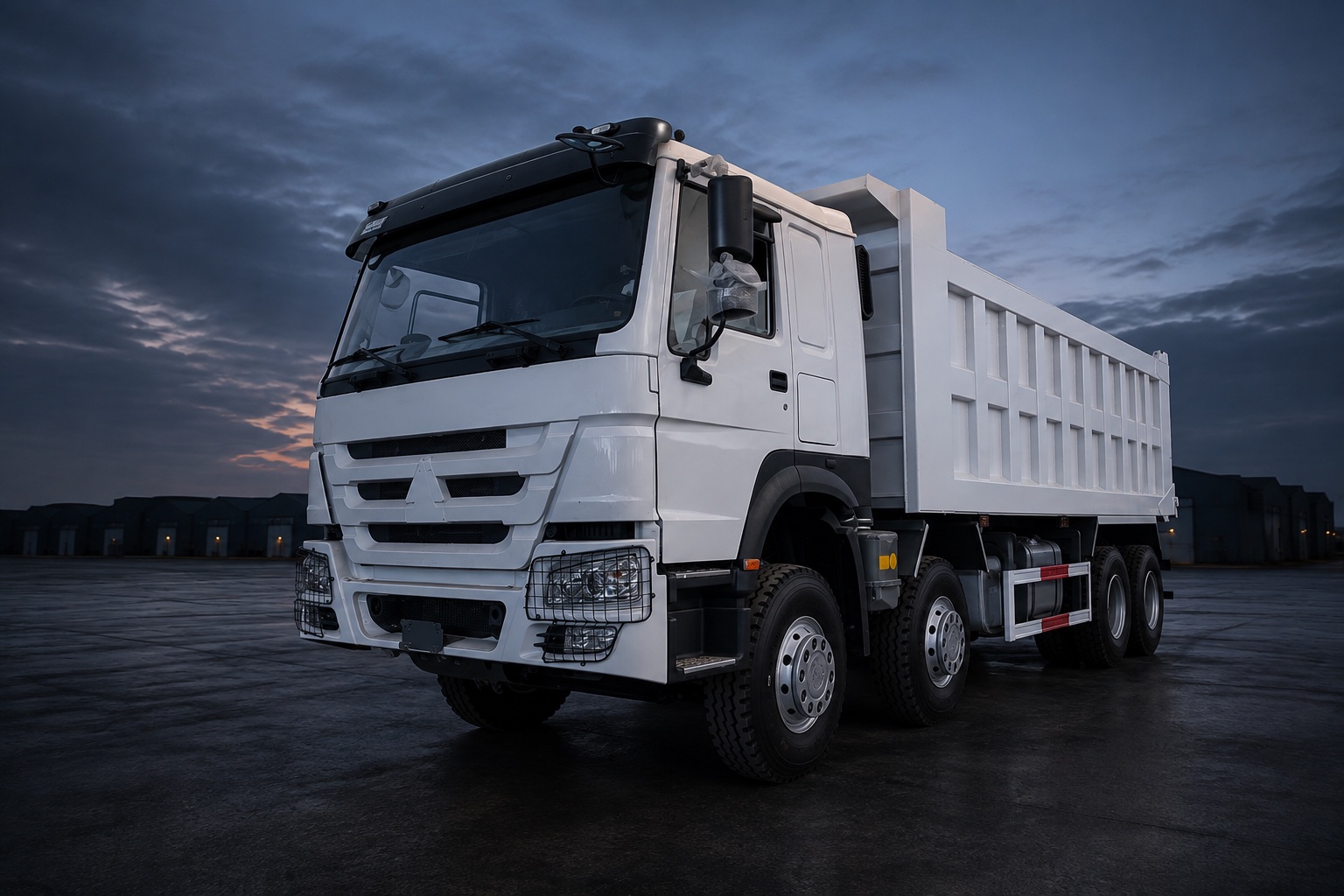
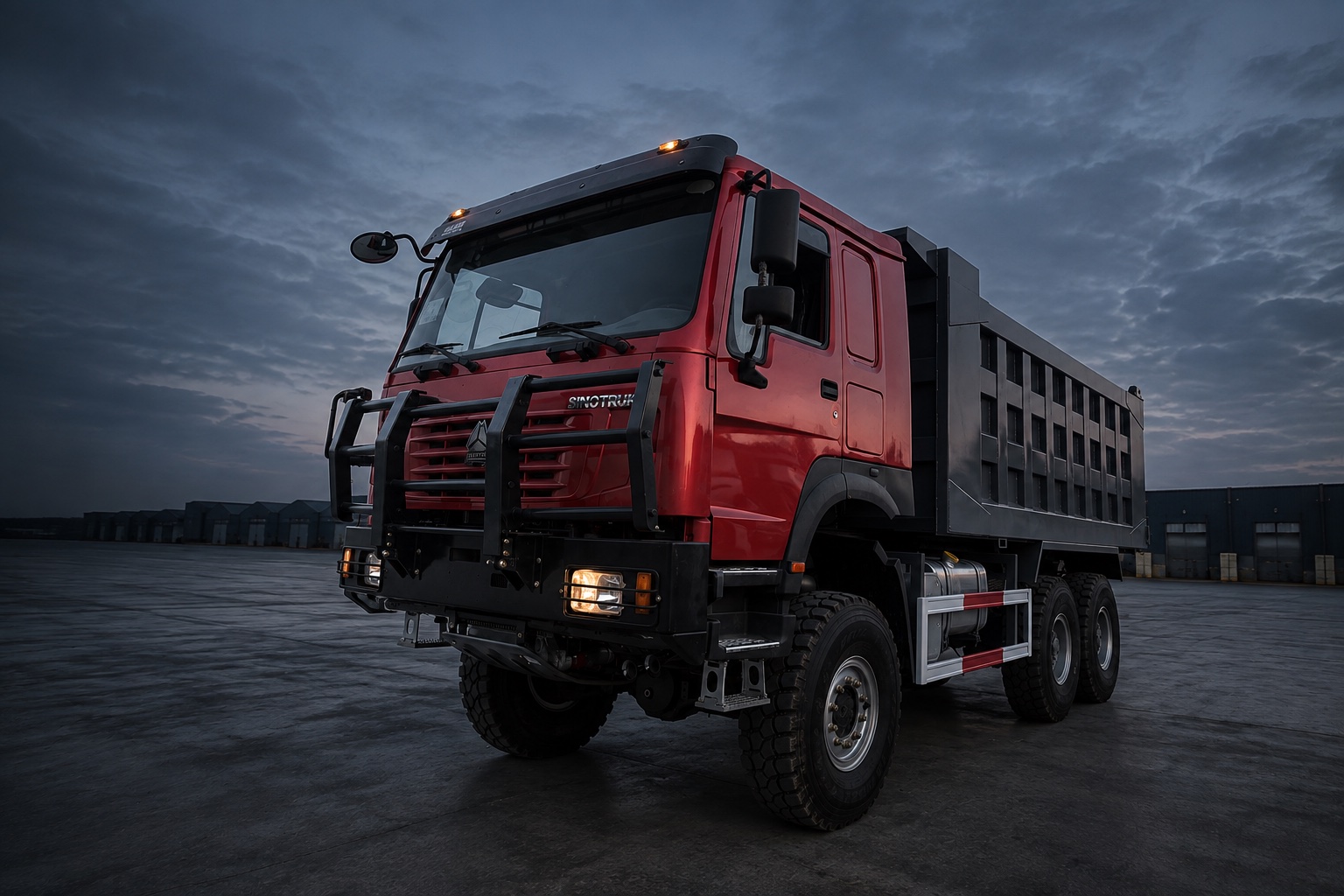
Related trucks
Ready to import with confidence?
Tell us what you need. We'll respond within one business day with specifications, FOB Qingdao pricing, and document support for your market.
Request a Quote